
Tagged: Mui Wo
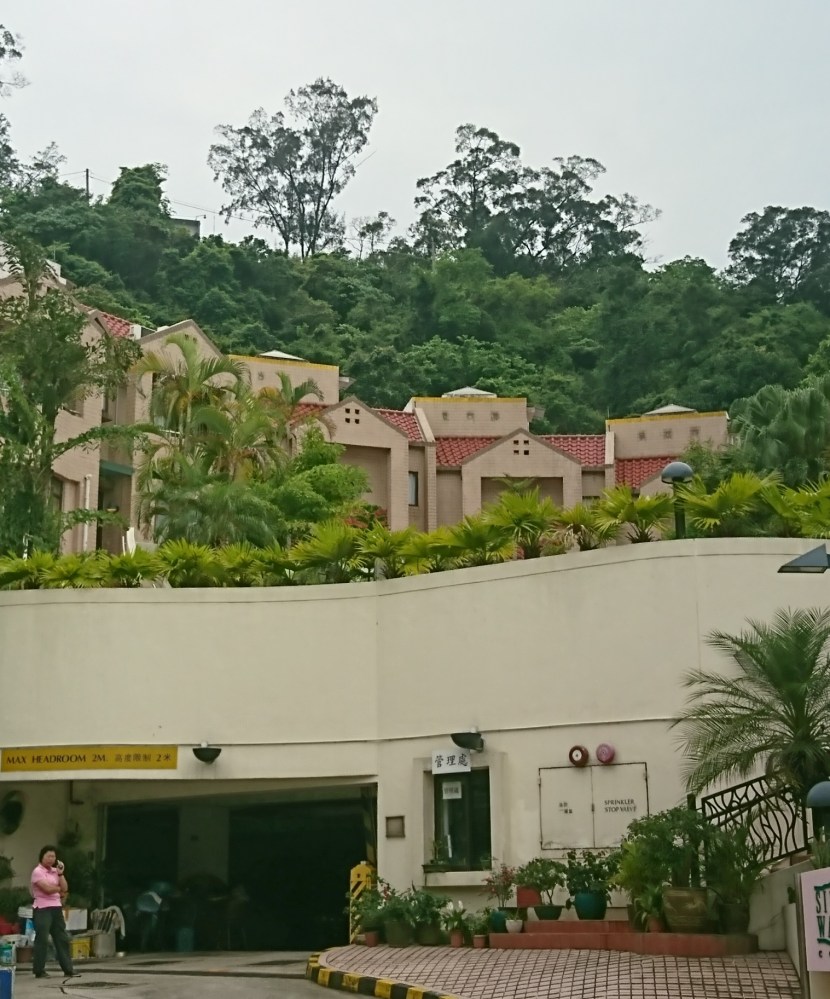
Silver Waves Court sold: another building project headed for Mui Wo
Another major building project is on the way for Mui Wo with the sale of beachfront housing estate Silver Waves Court.
The 20-year-old estate is to be rebuilt into 18 two-storey detached houses, each with a separate garden.
But property firm Colliers International, which arranged the sale, can’t reveal who acquired the property, the price they paid, or when building work will start.
The Buildings Dept has approved redevelopment of the 31,721 square feet site. Currently it has 16 separate homes with private gardens and an outdoor pool. It is fully-leased.
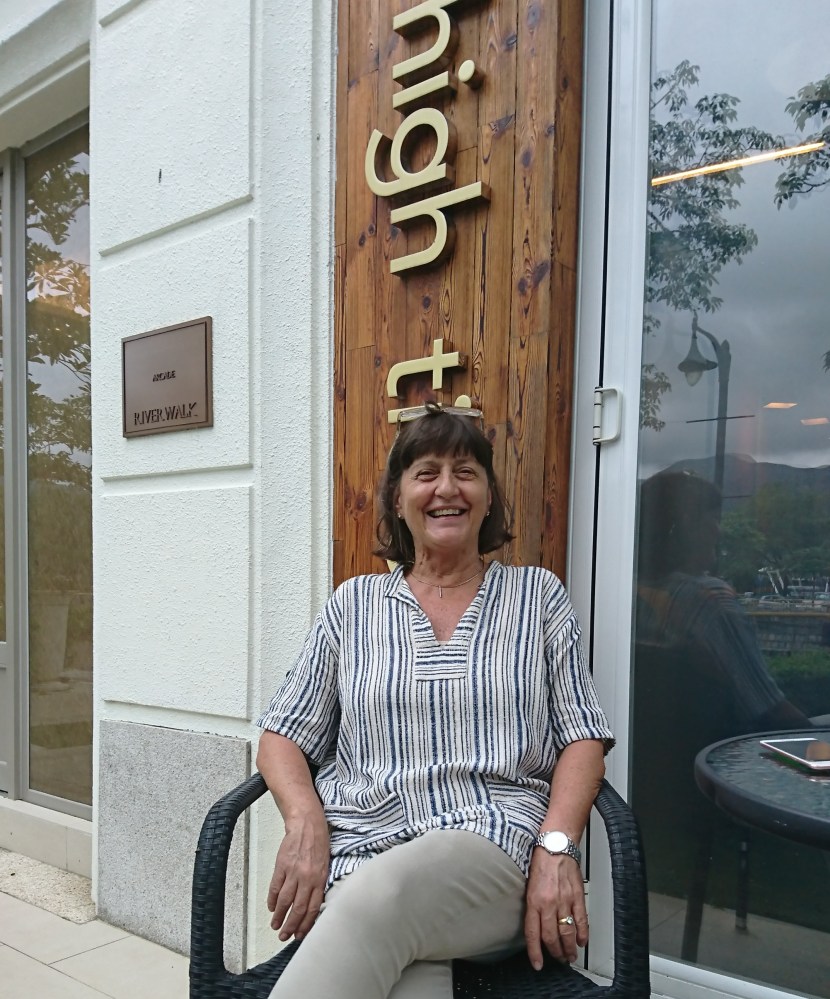
After 18 years on the beach, the Stoep gets new lease of life
It’s the end of an era. The Stoep, a landmark at Cheung Sha beach, has closed its doors.
It will live on in another guise, but the old Stoep was a much-loved restaurant that became a destination.
In its golden years people from all over Hong Kong flocked to the beachside eatery, savouring its sandy floor and laidback vibe as much its breads and boerewors. You could count the yachts moored offshore.
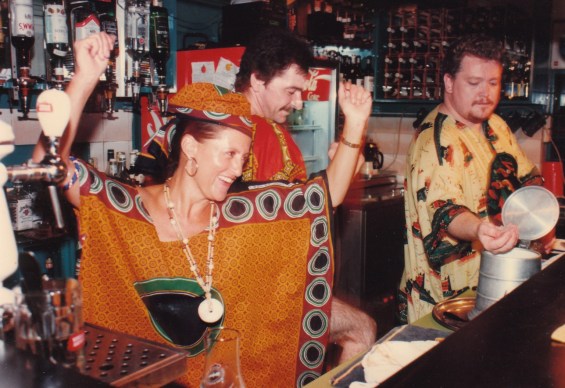
Dolla and team at the Gallery, late 1990s
Founder and co-owner Dolla Bruce, now preparing the new Stoep in Mui Wo, recalls that she fell into the restaurant trade by accident. She’d been a specialist in organisational development in South Africa, arriving here in 1994 with “a husband, a cat and three dogs.”
She quickly tired of being idle and found an outlet for her energies at the Gallery in Tong Fuk, in those days a weekend bar run by a Kiwi who was looking to retire. In those days there was no Lantau expressway or MTR. Just the slow ferry.
“Within three months, it was packed,” she says. “I brought my multibraai [barbecue] from South Africa and on the weekend I closed the kitchen and just cooked with the grill. You could smell the braai all across the village.”
It wasn’t just the villagers whose attention she caught. Governor Chris Patten so enjoyed his trek out to Tong Fuk that his chef called to ask for the seedloaf recipe.
Dolla said she didn’t have a recipe – it was all in her head. So she was invited to demonstrate how in the governor’s kitchen. She made her own trek, laden with ingredients, to Central. The governor’s bodyguard met her at the pier and whisked her to Government House, where she spent the afternoon baking in front of 11 chefs.
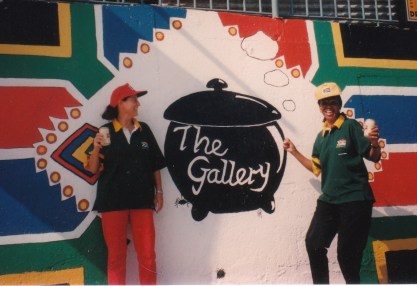
Dolla and Renee Mandela, daughter-in-law of the late President Mandela
The Gallery days ended when out of the blue she received another phone call – did she want to take over a vacant space at Lower Cheung Sha?
So Dolla started up the Stoep – Afrikaans for verandah – and the legend began.
It was 1999. The owner had spied an opportunity and was buying up properties on the beach.
“There was nothing on the beach at the time – just one Chinese restaurant next door,” she said.
A slew of other restaurants and beachside businesses sprung up in the Stoep’s wake. On summer weekends the small space is clogged with cars and visitors.
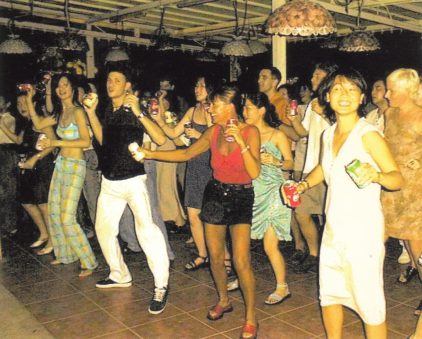
Dolla (front, second from right) in the thick of dance action at the Stoep
“Because of Stoep, Cheung Sha became very, very popular,” Dolla says.
Perhaps too popular. In 2014, her landlord decided not to renew the Stoep’s lease. A new tenant moved in. The Stoep moved around the corner to another site near the beach.
But then the lease ran out for High Tide, the Thai restaurant run by business partner Mei Tai, and she had to exit Cheung Sha after more than a decade.
Mei and Dolla are friends – they met the day Dolla arrived in Hong Kong – and shared the workload across their businesses. That means anything from shopping to keeping an eye on the other restaurant. When Dolla took an eight-year sabbatical from Hong Kong, Mei managed both.
She reopened High Tide at the new Riverwalk building in Mui Wo, but at that distance it was difficult to work together. They discussed it earlier this year and agreed – one restaurant had to go.
“Yes, it was heartbreaking,” Dolla admits. But she also thinks business was getting harder at Cheung Sha.
“The transport situation is becoming very diabolical. Weekend after weekend, people were calling to cancel after waiting two hours for a ride.”

The new Stoep
Now she has rejoined Mei at Riverwalk in a new venture called Stoep at High Tide.
The place is currently closed as they renovate and revamp the kitchen. It doesn’t have an opening date – “some time in July,” Dolla says.
She will still bake bread and “keep the things that worked at the Stoep.” It will have an Asian section and a bar at the front of the house.
Dolla is relishing some of the advantages of her new location. The landlord is a professional management team, so she’s not wrestling with maintenance tasks.
Plus the new site means a different flow of customers.
“We are expecting a more even trade. On the beach it’s feast and famine. When the sun comes out, everybody comes Here, if it’s cold they come in, if it’s hot they come in.”
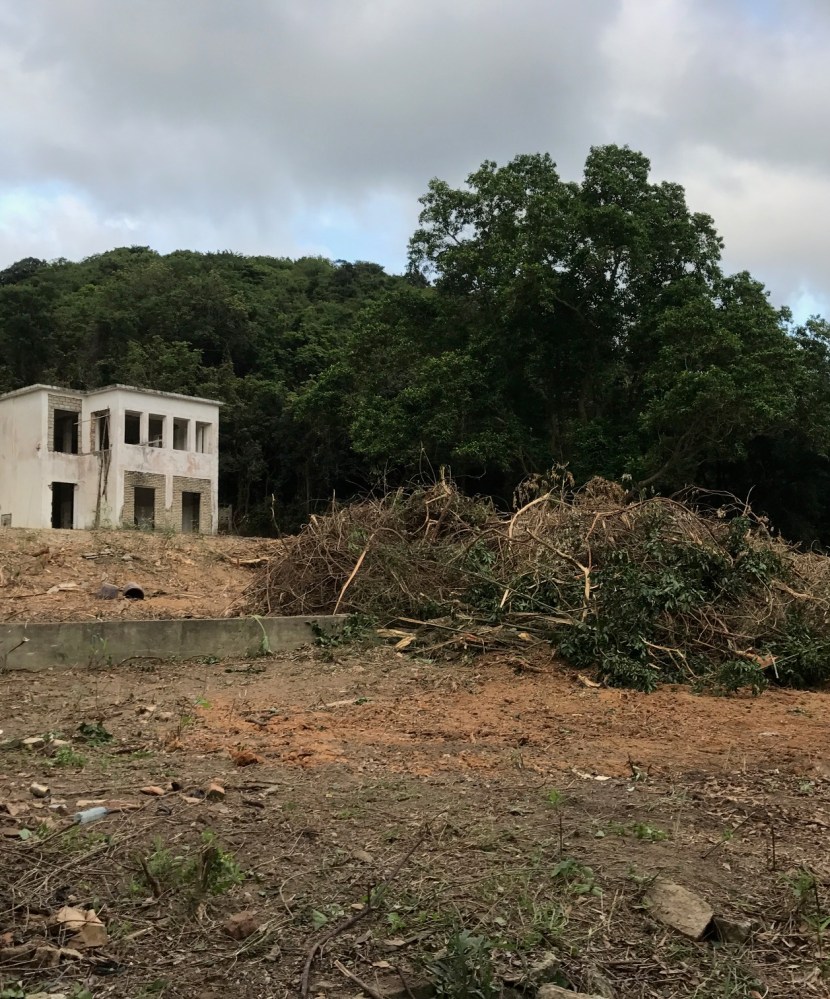
Butterfly Hill development breaches planning rules
The construction of a new road, and plans to build new homes, on Butterfly Hill appears to be a clear breach of planning rules – but government agencies are unwilling to act.
In the last six months a developer has cleared approximately a hectare of trees and vegetation and built a new road on the site, just northwest of old Mui Wo town. The developer is reportedly planning to build five homes.
But neither the Buildings Department nor the Planning Department has received an application for new housing or roadworks, Apple Daily reports.
The Planning Department said the land is zoned for agricultural use under the Outline Zoning Plan. Any kind of reclamation or building works would require the permission of the Town Planning Board. It would investigate any potential breach of the Town Planning Ordinance, it said.
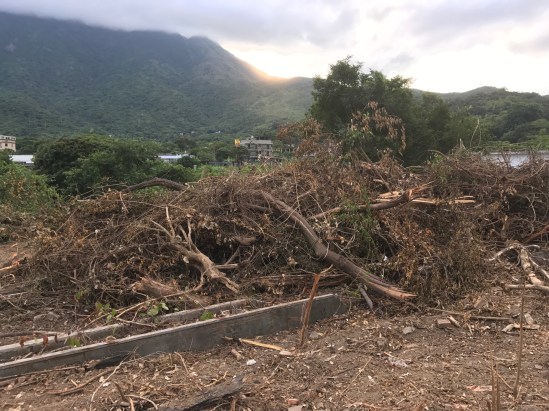
Land clearance
However, Miffy Ng from Save Lantau Alliance says she had the same response when she informed the department of the construction work in March.
“It is clearly not to develop agriculture,” she said. She warned that the land was no longer protected by vegetation and was concerned about the risk of mudslides. “The ecology has been destroyed and the need for conservation is urgent.”
Ownership of the land is unclear. It is registered to Keymax Holdings (基明集團有限公司), which is wholly-owned by a British Virgin Islands registered company called Acota Services Ltd.
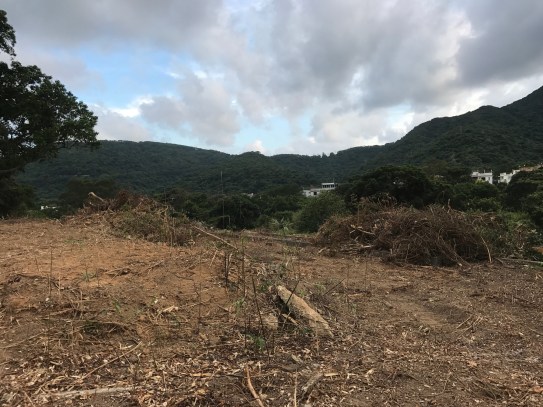
Butterfly Hill today

Lantau blueprint scraps worst ideas, talks up conservation, upholds ELM
After three and half years of aggressive development plans from the Leung government, the Sustainable Lantau Blueprint is a return somewhat to the status quo.
The blueprint, produced by the Development Bureau, is closely aligned with the 2007 Lantau Concept plan. It even says so on the cover.
It scraps proposals for intrusive tourist facilities, ignores calls for new roads and urges greater conservation of key areas such as Pui O Wetlands and cultural heritage.
Notably it has dumped many of the unpopular proposals from LanDAC, such as the plan to extend Ngong Ping 360 to Tai O, install a chairlift to Sunset Peak and build water-skiing facilities in Shui Hau and a spa in Cheung Sha.
However, it upholds the government’s biggest development plan – the massive East Lantau Metropolis (ELM), the site of a future CBD and housing on 1000 ha of mostly reclaimed land in the waters between Mui Wo and Hong Kong island.

Above & below : What must be conserved
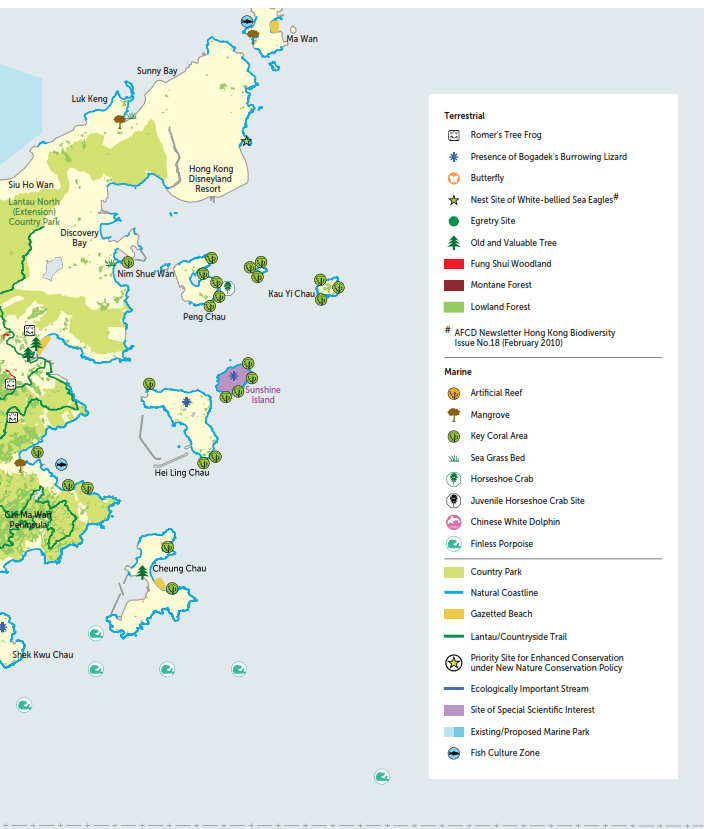
On the positive side for the environment, the blueprint on a number of occasions acknowledges the need to “conserve sites of natural and cultural heritage importance,” although it doesn’t say how this would be done.
For example, it appears to have taken on board community anger over dumping on the Pui O wetlands.
[The wetland] is rich in biodiversity of wetland plants and macro-invertebrates and is reminiscent of the living of farmers a few decades ago. The water buffaloes living there now are part of that cultural history. … Pui O can be an important educational resource to showcase the rural history of Hong Kong and the valuable wetland flora and fauna.
But while it says measures to protect the wetland “are being explored,” it has no detail.
It also runs up against the logic of the ELM. While it calls for the retention of Mui WO’s rural character, it also endorses the government proposal to build a highway from North Lantau through the town to the ELM.
On the vexed issue of Lantau transport, the document, like the 2007 plan, urges greater use of ferries for round-island transport between villages such as Cheung Sha, Shek Pik and Yi O. It also suggests convenient ‘hop-on hop-off’ short-distance transport services for South Lantau Rd and expanded cycling and mountain bike paths.
While the report has discarded many of LanDAC’s excessive development ideas, it has some of its own, including a beach volleyball court at Cheung Sha, a water sports centre at Pui O, and “an adventure park at an appropriate location.” It argues for the addition of “supporting facilities” on local hiking trails, including signage, information kiosks, “and provision of maps, toilets and emergency telephones.”
It also resurrects the government’s super-prison proposal from early in the last decade, suggesting Lantau’s correctional facilities may be relocated to Hei Ling Chau as a part of ELM.
Finally, and again without elaboration, it says it is exploring the feasibility of “themed camping grounds” in places such as Shui Hau, Tong Fuk, Pui O and Shek Pik.
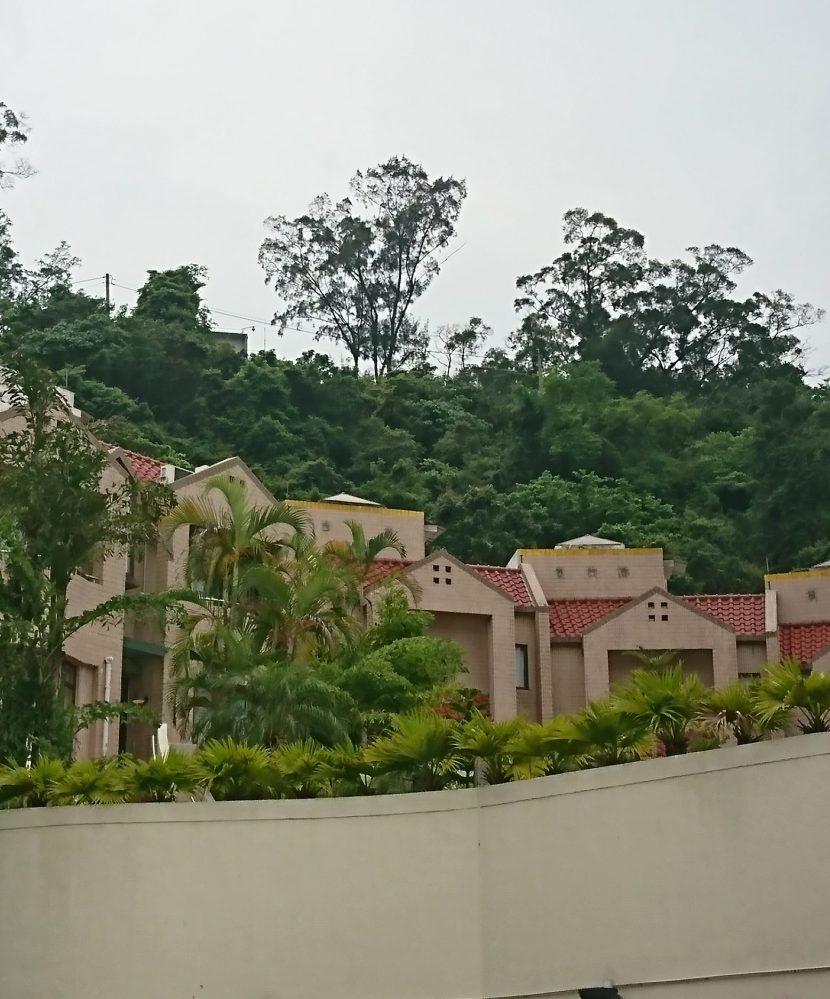
Mui Wo apartment block tipped to fetch HK$350m
In another sign of rising interest in Mui Wo real estate, private housing estate Silver Waves Court is on the sale block and predicted to fetch an estimated HK$350 million.
The existing 20-year-old seafront estate is to be rebuilt into 18 two-storey detached houses, each with a separate garden.
Colliers International Real Estate, which is handling the sale, says the owner has approval from the Buildings Dept to redevelop the 31,721 square feet site.
Currently it has 16 separate homes with private gardens and an outdoor pool. It is fully-leased.
Colliers describes it as a “rare, high-end low-density luxury seaview villa development project,” Oriental Daily reports. Deadline for offers is June 16.

Silvermine Beach river crossing to be upgraded to twin bridges
The Wang Tong River bridge on Silvermine Beach is to be replaced by separate pedestrian and cyclist bridges under a Highways Department plan.
The existing 1.5-metre wide bridge will become a 35-metre long crossing comprising a 3.5-metre wide bikeway and two-metre wide pedestrian path.
In a submission to the Islands District Council traffic and transport committee the department said the current bridge is frequently congested “when both the local residents and tourists use [it] simultaneously.”
“The lack of segregation also raises road safety concerns as pedestrians, cyclists and village vehicles may come into conflict with each other during peak periods .”
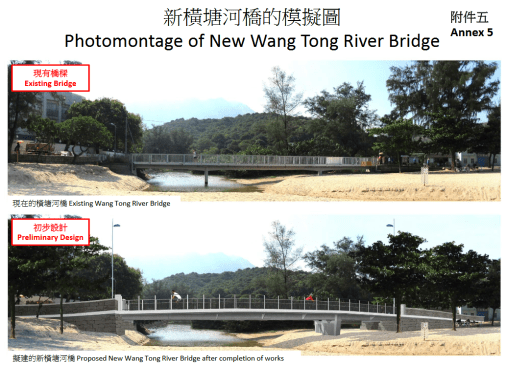
Source: Highways Dept
The department does not put a price tag on the twin-bridge project, but warns it will mean temporary closure of the existing bridge during different phases of construction.
It also does not specify how long construction will take but the environmental assessment report filed by the Environment Protection Department in 2013 said it would be approximately two years.
The project is the latest in the Mui Wo Facelift programme that has been underway for the past decade.
Hiking Lantau south to north
The hike: Mui Wo to Tai Ho Wan and Tung Chung.
Distance: 10 km Time: Approx 2.5 hours
A comfortable stroll into the past and future of Lantau.
This walk crosses from Mui Wo on Lantau’s south coast to Pak Mong and Tai Ho Wan on the north. A well-trodden path between villages that have historically been very close, it finishes in the shadow of the Lantau Link and the freeway to Tuen Mun, still under construction.
It’s not a demanding walk, with only a short period of uphill walking, and conveniently finishes in Tung Chung.
The journey
Exit Mui Wo Pier and head right on the footpath past the bike racks and the drab cooked food market beside one of Hong Kong’s most beautiful bays.
Track ahead on the newly-completed, tree-free walkway and turn right at the Five-Cent Bridge. You will soon reach Silvermine Bay Hotel. In the post-war era and up until the 80s this was the site of Chung Hau St, the bustling hub of daily Mui Wo life in what was then a settlement of 20,000. Because of the decline in agriculture and fishing and the emergence of Tung Chung, Mui Wo has hollowed out, with a population today of around 5,000.
Passing the hotel, follow the path around to the left and then take the right at the public toilet at the junction (remember these paths carry a regular stream of bicycle traffic; be sure to walk in single file).
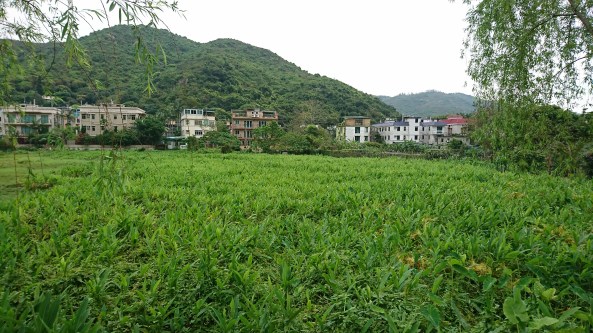
Mui Wo was and still is a series of discrete villages. You are now leaving the old village of Chung Hau with a stream on your right-hand side and the village Wang Tong ahead of you. After a couple of minutes you will come to a junction. Take the left-hand fork toward Pak Ngan Heung and Silvermine Cave.
You are passing through Mui Wo’s rear garden, with a number of pretty gardens and small farm lots. It’s also occasionally wet and marshy, so you may meet the odd buffalo and egret.
After another 10 minutes you will meet the Olympic Trail. It has little to do with the Olympics, other than being built to celebrate the Beijing Games, and it encompasses the path from here to Tai Ho Wan (sometimes the entire route from Mui Wo to Pak Mong is dubbed the Olympic Trail). You’ll need to take a sharp right.
But before you do, take stock of the local attractions. On your right is the fine Yick Yuen mansion, once the home of a wealthy rice merchant. You can’t enter but even from the outside the 7.2ha estate is impressive.
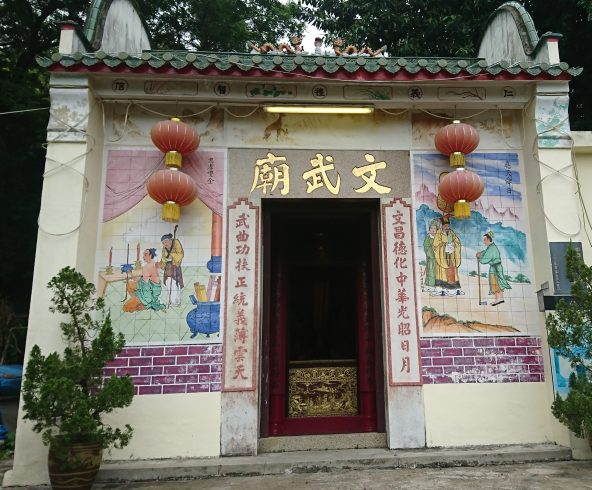
Straight ahead is the village of Pak Ngan Heung. Stepping through the arch you will find a Man Mo Temple. Yes, of the same family as the famous Sheung Wan temple, offering worship to the gods of literature (man) and the military (mo). It is notable for having been in existence since Ming times. This is not quite the original object, having been rebuilt in 1901 and 1960 and refurbished in 2001, but impressive nonetheless for its 400-year history.
Head back to the Olympic trail and you will shortly encounter the popular Silvermine Waterfall. It’s a picturesque spot and spectacular in the rainy season.
Next is a short steep climb to the Silvermine Cave. It’s less a cave than the sealed entrance to the old silver mine. Not much to see here. Despite its legacy in local place names, it appears to have only lasted a decade or so. It’s not even clear when that was. The AFCD sign here says it opened in 1910, but a local researcher has put that date at 1886 . There is no dispute, however, that colourful entrepreneur Ho Amei was the founder.
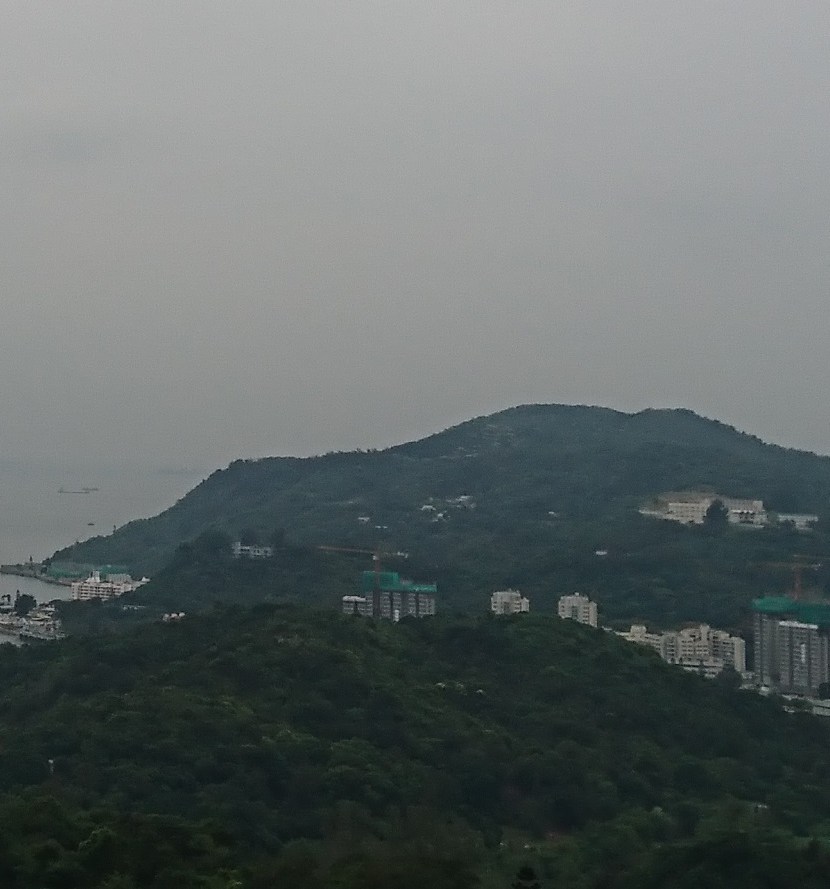
Now comes the climbing section of the walk. The reward for the effort is that the hike up the steps reveals fine views of Silvermine Bay and, on a clear day, across to Hei Ling Chau and Hong Kong Island.
After about 30 minutes from the cave you will reach the crest. Much to the amusement of other hikers, the summit market has been labelled D7 689 – uncomplimentary nicknames for Hong Kong’s current leader and leader-to-be.
From here it’s downhill all the way to Pak Mong, mostly on well-made steps.
If you’re up for a more challenging walk, you will reach the turn-off for Lo Fu Tau about ten minutes down the path. That’s a 3.4 km loop with fine mountaintop views that gets close to Discovery Bay and takes a bit over an hour.
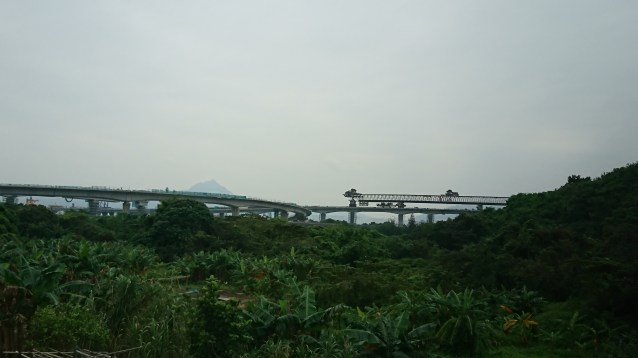
The next rest stop as you descend is a small green-roofed pavilion offering views of Tai Ho Wan and the freeway flyover emerging out of Tung Chung Bay.
Not far past that you will reach Ngau Kwo Long. Residents here and in the neighbouring villages are in a long-running battle with government planners and ‘fake environmentalists’ and on occasion have closed the path in protest. They’ve hung banners in English and Chinese to explain why.
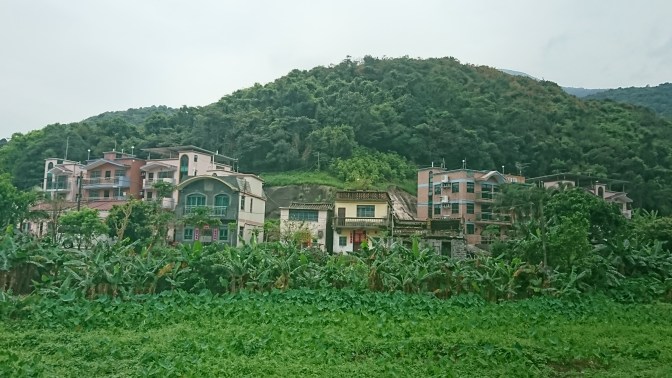
Shortly past Ngau Long Wan the path swings left and turns into a vehicle access road. You get a good view of the village from the road, set between the green rice fields and the mountains.
If it’s a weekend or public holiday you will meet a lot of foot and bike traffic coming from the other direction – mostly Tung Chung people.
Not far along the road brings is Pak Mong. The first thing you notice is the freeway flyover is just a few hundred metres away, towering over the village fields.
The village boasts an impressive-looking guard tower, but which was only built in 1939. The ‘sword stone’ next to it is of interest perhaps only to wonder why it should be of interest.
Finally, we reach Tai Ho Wan, the mouth of the Tai Ho Stream river which exits here into Tung Chung Bay. Hard as it is to believe, this inlet in the shadow of a flyover is a Site of Special Scientific Interest (SSSI). Greenpower describes Tai Ho Stream as Hong Kong’s “best” freshwater stream “accounting for about 29% of all Hong Kong’s freshwater fish, and the highest diversity of freshwater fish” in the city.
This SSSI, incidentally, is one of those issues that antagonise the local villagers. They will be comforted to know that its future is in doubt. Tung Chung Bay is earmarked for serious reclamation with the aim of building another 120,000 homes over the next decade or so. Environmentalists have pointed out that the reclamation runs to with 100m of the Tai Ho Wan outfall, limiting the ability of the fresh river water to circulate.
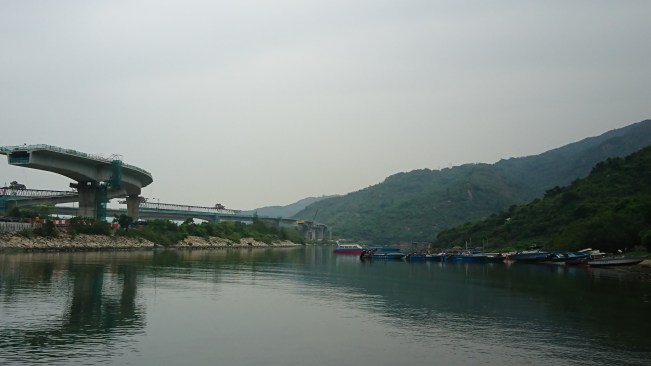
Of lesser importance: Tai Ho Wan marks the end of the Olympic Trail. Remain on the path as it skirts the little freshwater bay and take the underpass to the other side of the freeway. Take a walk to the edge of Pak Mong pier and watch Hong Kong’s newest piece of road infrastructure taking shape.
You can also savour the mere existence of the bay itself. At the other side 130ha has been swallowed up by the Hong Kong-Zhuhai-Macau bridge landing zone. If the government has its way, dredging for the housing development will start on this side later this year.
From this point take the bayside path that heads west directly to Tung Chung. Get onto Ying Hei Road and then turn left onto Man Tung Road at the intersection. It’s about one kilometre to the Citigate entrance on the left. You can find the MTR at the far end of the mall.
Getting there
Starting from Mui Wo
Take the Mui Wo ferry from pier 6 at the Outlying Islands terminal. Note the fast ferry takes approximately 30 minutes; the slow ferry 50 minutes.
Starting from Tung Chung
Take the MTR Tung Chung Line to Tung Chung. Take escalator to the Citigate Mall 2F and walk to Novotel end of the mall. Exit onto Man Tung Rd and turn right.

The trouble with EVA
Mui Wo’s EVA is a hot mess, but change may be coming.
Contrary to popular belief, it is not illegal to drive on the emergency vehicle access road through the Mui Wo hinterland.
The road, created decades ago by the CEDD when it built the drainage and sewerage system, has never been gazetted and remains a private road. The only roads where it is illegal to drive without a permit are short sections near the junction of Ngan Shek and Ngan Shu streets (above) in Mui Wo.
The Transport Department is reviewing the road’s legal status and whether it needs to be upgraded. The options are to retain as it is, to upgrade it and formally declare it a prohibited zone, or even to open it up as a public road. But with at least half a dozen government agencies and local rural committee involved, any change will take time.
EVA is under the purview of the District Office, a unit of the Home Affairs Department. But administration of the road also involves the Transport, Lands and Highways departments, police and fire services, and even Architectural Services and Building Services departments.
South Lantau police commander Chief Inspector David Bennett says that the push to develop Lantau South and the extra population that will bring means government agencies are required to look at whether declaring an EVA road “is a realistic prospect.”
He said that at his first meeting with Mui Wo leaders two years he asked if they could identify the EVA road – none could. Broadly speaking he says the ‘EVA road’ is the Rural Committee Rd. As a private road, it is not illegal to drive on it without a permit. Vehicles cannot be prosecuted for speeding, although police can hand out fines for reckless driving.
To reach the EVA road drivers must pass through the prohibited zones on Ngan Shu or Ngan Shek streets. It’s technically an offence to drive on those without a permit and police may be able to prosecute if they have a witness or evidence of the offence taking place.
The Mui Wo EVA is quite different from others in Hong Kong in being close to population. In Yuen Long and Shek O the EVAs have clear rules and are not in built-up areas.
Bennett says that in the short-term physical upgrades may be likely, such as installation of mirrors, warning signs, yellow lines and passing places.
In the long term, the question is “what does the District Office expect of this road in terms of meeting community expectations?”

Roast chicken finds roost in Mui Wo
Robert Lau comes with a pedigree in the food business – or maybe it’s a reverse pedigree. His daughter Kit runs the popular Village Bakery in Mui Wo.
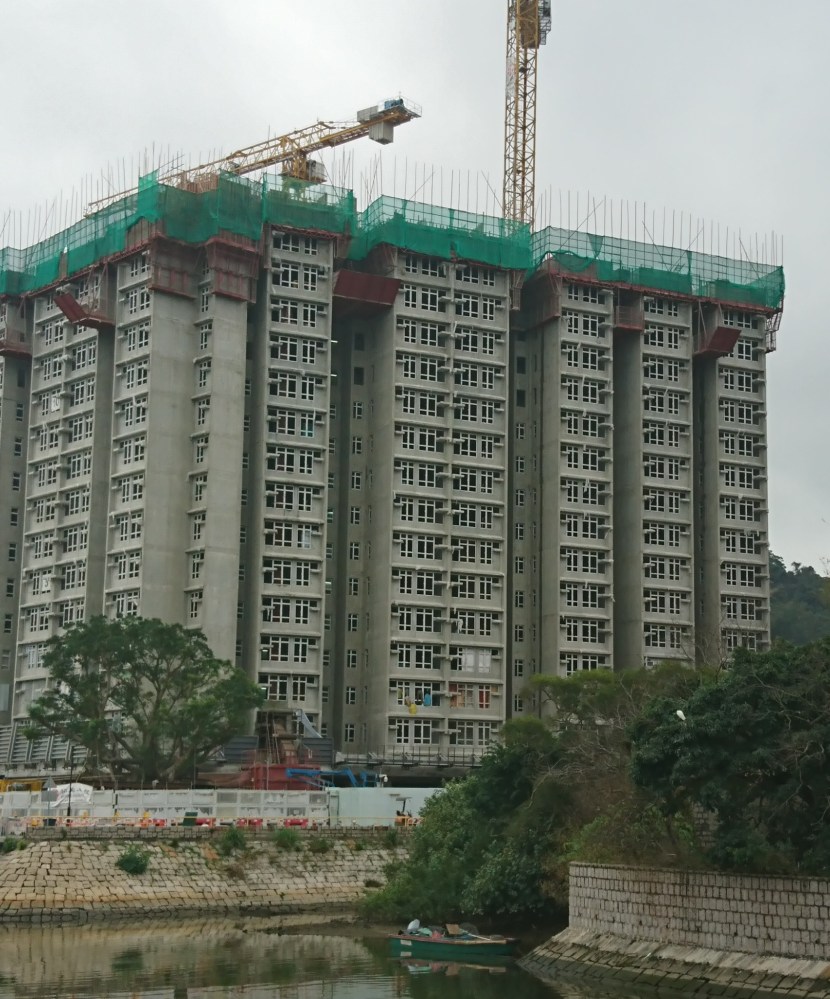
Mui Wo home prices set to soar, says CBRE
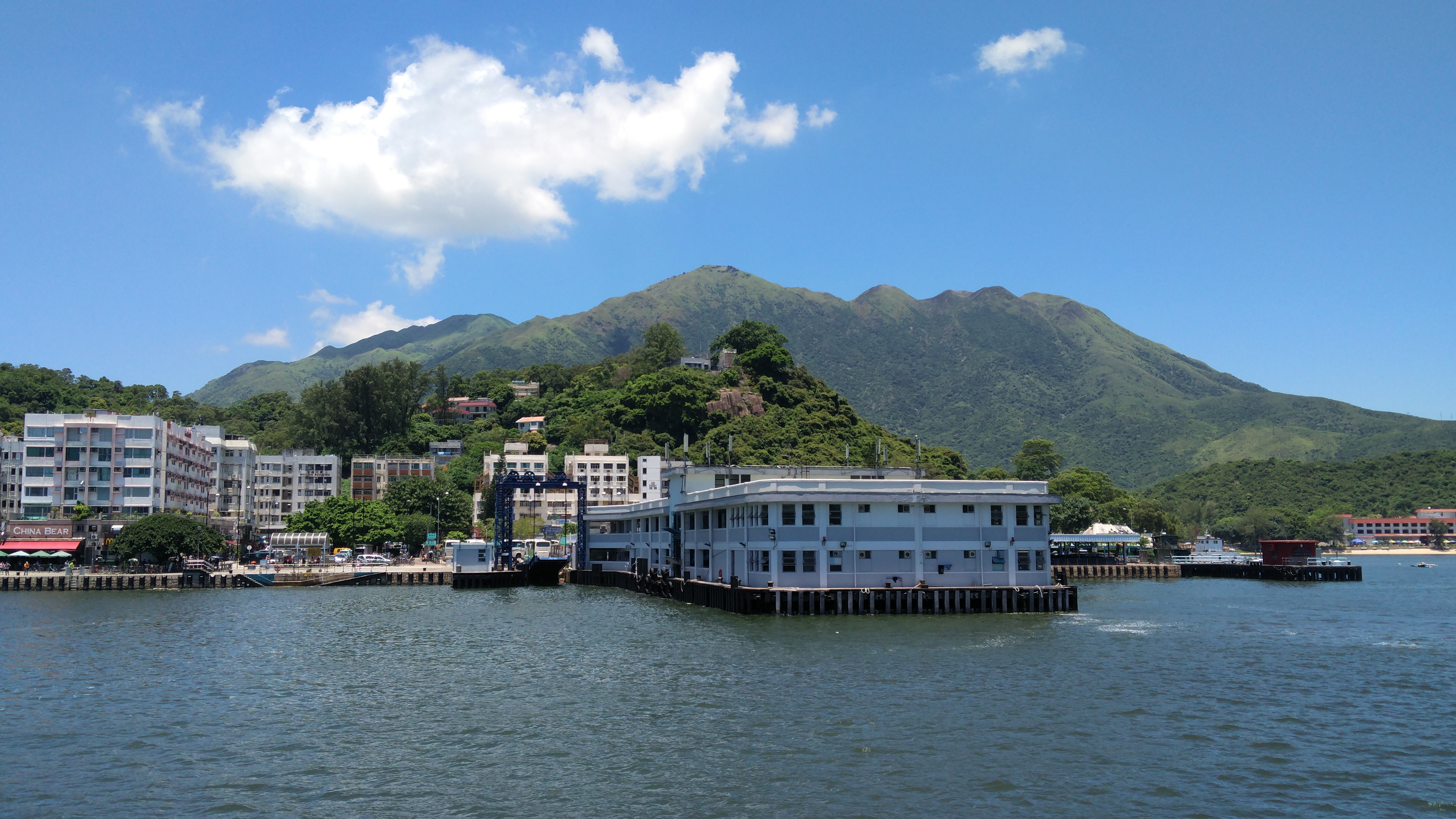
Mui Wo property prices are set to rise sharply, a senior Hong Kong real estate figure predicts.
Kam Hung-yu, a Hong Kong managing director at global estate giant CBRE and a former president of of the Hong Kong Institute of Surveyors, predicts a major hike in residential valuations.
Writing in the Economic Journal he says the Housing Authority will start selling its new Mui Wo apartments in August. Mui Wo prices currently are at around $7000-$8000 psf, but after subsidies this will fall to as low as HK$5000.
“Some Hong Kong people believe the location is not attractive because it is too far [from the city],” he wrote. But he says citizens who qualify for the HA ‘green form’ subsidy should genuinely consider it. “This most likely is a housing market with very strong potential to rise in value,” he wrote. Continue reading
 Lantau Confidential