
Category: Transport Department
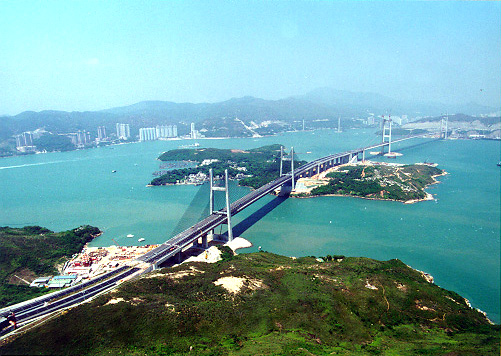
Two-way tolls for N. Lantau freeway from next month
Drivers will have to pay tolls both ways on the North Lantau freeway from August 20, the Transport Department has announced.
The change is to accommodate the opening of the Hong Kong-Macau Bridge, after which the Lantau freeway will no longer be the only road access to Lantau.
The Transport Department said in a statement Wednesday that a two-way toll collection arrangement will be implemented at the Lantau Link Main Toll Plaza and the Ma Wan Toll Plaza from midnight on August 20.
The total toll charge won’t change. Private vehicles heading toward Kowloon, who currently have to pay HK$30 at the Lantau Link tollbooth, will pay HK$15 each way.

Govt promises review after doubling subsidies to private ferry operators
After doubling subsidies for private ferry operators, the government has promised a review of the viability of islands services – but has made it clear it will resist making any major changes.
In the new three-year licensing period, which started on July 1, the Transport Department will tip HK$412 million in public funds into the biggest ferry companies.
These so-called Special Helping Measures (SHM) are in addition to other government support, such as the waiving of fuel duty and footing the bill for pier maintenance. The department does not put a value on these, but says that without the SHM fares will have to rise by 30%.
The current SHM are up 115% from the HK$190 million subsidy in the previous period and will go to just two companies – New World First Ferry (NWFF), which runs the Mui Wo and Cheung Chau routes, and Hong Kong and Kowloon Ferry (HKKF), which services Peng Chau and Lamma.
The other six outlying island ferry operators will receive no cash at all. In a paper to Legco, the Transport Dept acknowledges that some of these are running at a loss, but offers no explanation as to why only the biggest and best-connected firms receive financial support.
The subsidy has grown substantially since introduced in the 2011-2014 period at just HK$112 million.
It applies to eight different areas of ferry operation, the biggest of which is for vessel maintenance, which accounts for nearly 60% of the HK$412 million. For the first time, it also includes a subsidy for depreciation, which the department says will go to the acquisition of two new vessels.
To put the latest SHM into perspective, they are nearly half as much again as the HK$280 million invested by NWFF, the biggest operator, in its fleet.
The escalating outlays reinforce the criticisms of the ferry system that it is fragmented and unprofitable and that the three-year licensing term discourages operators from investing in their fleets.
The Transport Dept says it will review the long-term financial viability of the current system in 2019, including the possible extension of licence periods.
But it says that the idea of the government procuring vessels and outsourcing the operations breaches policy of putting all public transport in the hands of private companies.
The Islands District Council last month passed a motion calling on the government to conduct the review this year. Assistant Transport Commissioner Irene Ho, who attended the meeting, saying it involved a lot of complicated issues.
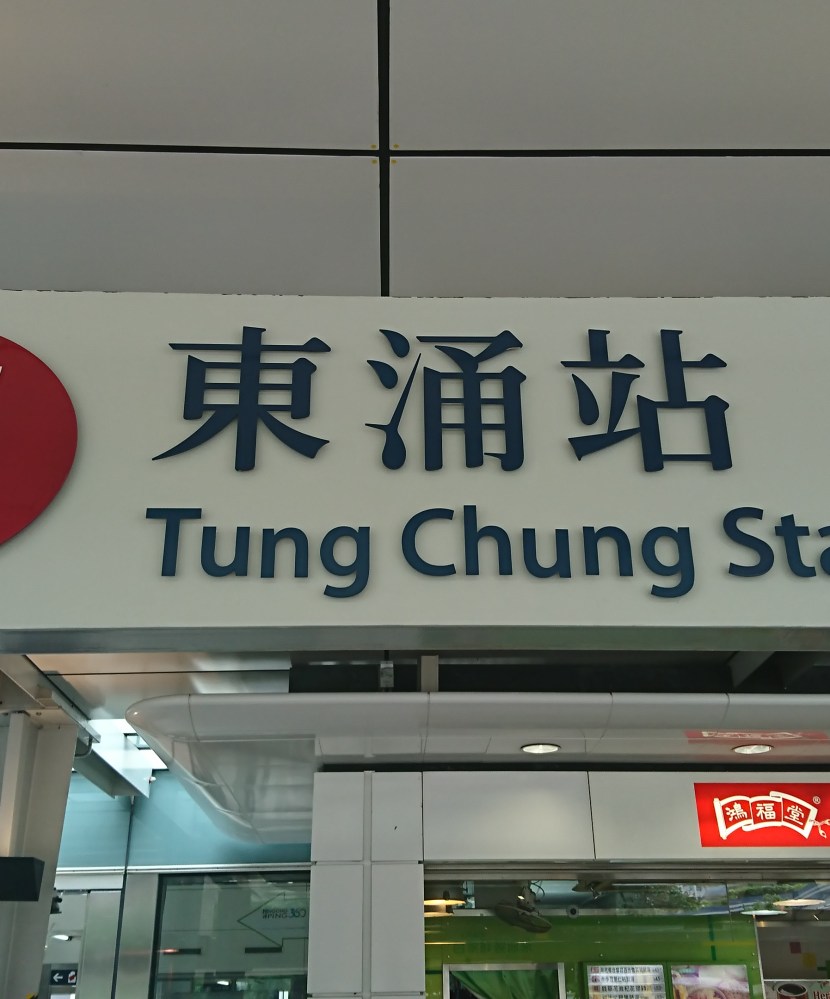
Govt eyeing light rail, MTR to connect Tung Chung and airport
Tung Chung residents could be able to ride to Chek Lap Kok via light rail or the Airport Express under proposals now being considered by government agencies.
But even if approved it will likely be years before either becomes a reality.
Transport Secretary Anthony Cheung has told Legco he is reviewing an Airport Authority study into the feasibility of a rail shuttle using spare capacity on the Airport Express line, running between the proposed Tung Chung East MTR station and Chek Lap Kok.
Cheung said the report, completed last month, to assess the feasibility of the light rail scheme “as well as how the matter should be taken forward.”
In January the government formally asked the MTR Corp to submit proposals for the construction of new stations at west and east Tung Chung to support new housing developments.
But Cheung admitted that the Tung Chung East station won’t be ready until 2026. Until then residents will travel to Tung Chung MTR via mini-bus.
He added that the Civil Engineering and Planning departments are investigating “different transport connectivity proposals” for public transport between the Hong Kong-Macau bridge border crossing, North Lantau and Chek Lap Kok airport.
One of the schemes is for a light rail system, in response to requests from the public and Legco. The study is expected to be completed by the end of this year.
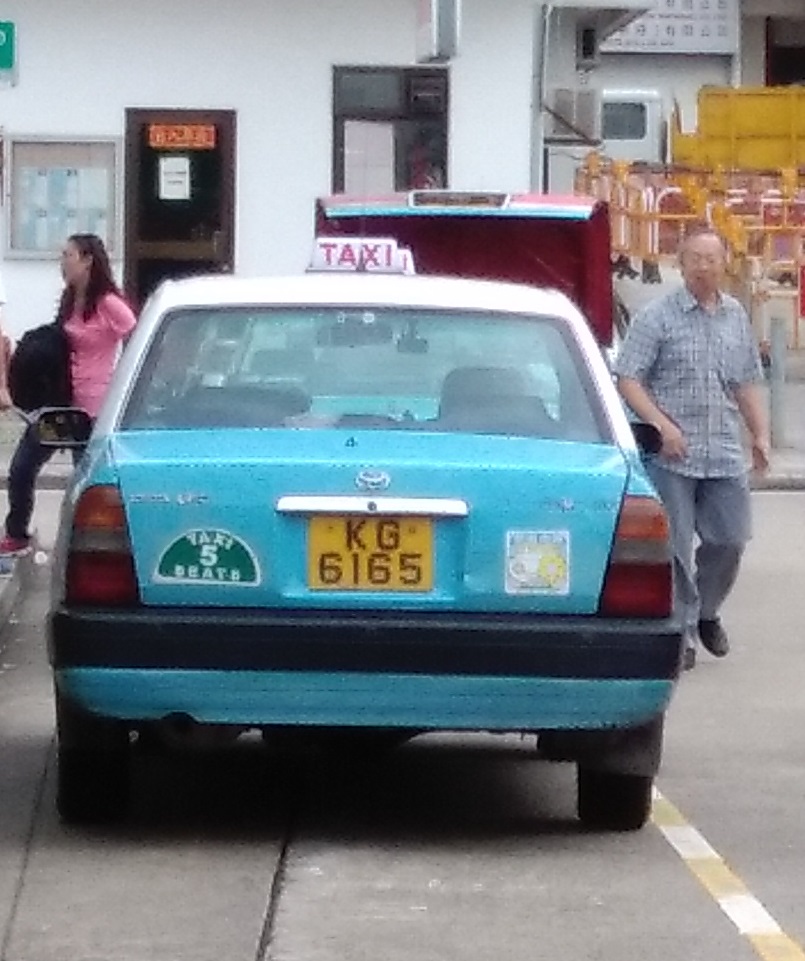
HK taxi fares to rise on Sunday
Red, blue and green Hong Kong taxi fares will rise on Sunday.
For Lantau cabs, flagfall will increase to HK$19 from HK$17, and every 200m will be charged at $1.5, up from HK$1.4 currently.
Flagfall for red cabs will rise to HK$24.
The more details on Lantau fares, see this Transport Department conversion chart.
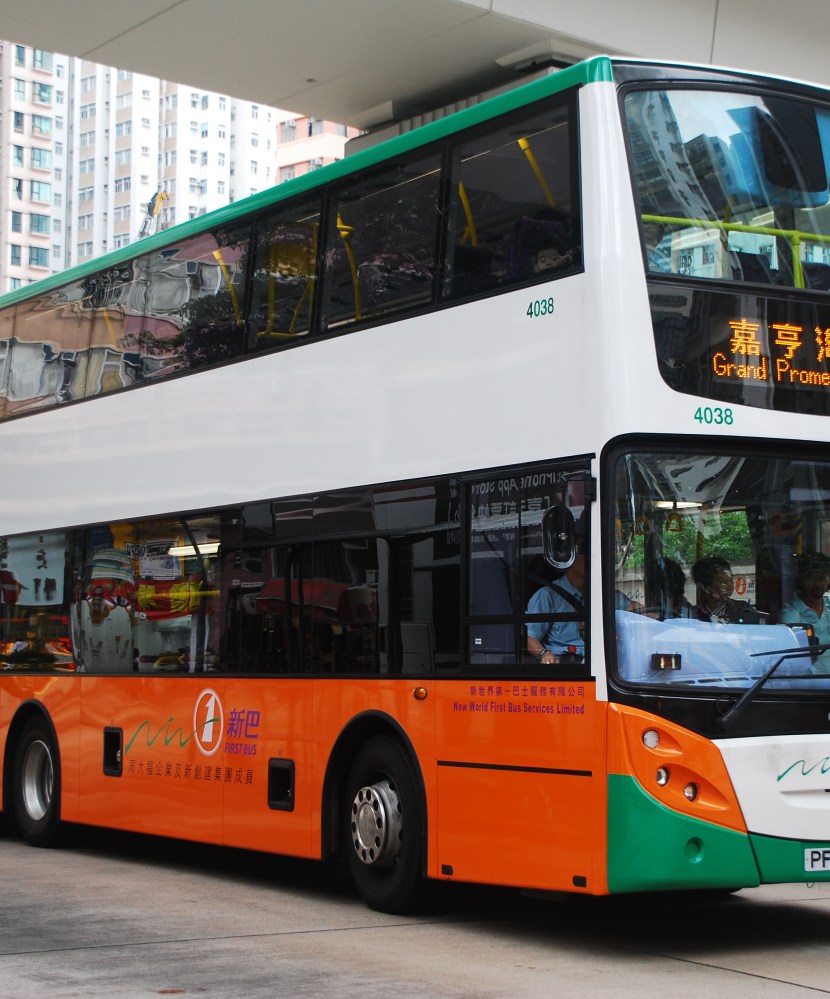
Double decker buses to trial on South Lantau

The New Lantao Bus Co (NLB) is considering a trial of double decker buses on South Lantau to cope with an expected spike in population
Deputy general manager Benny Chan said the company was in discussion with the Transport Dept on testing two-decked vehicles on the 3M route between Tung Chung and Mui Wo.
He said the plan was still in its early stages, and no timetable has been set. If it does go ahead, he said most likely it would be divided into two phases – first on Tung Chung Rd only and then on South Lantau Rd. Continue reading
Rethinking Lantau development
Highlights from submission to the Development Bureau (full submission here).
No Vision, No Data, No Conservation
The decision-making process on Lantau’s future appears to be explicitly designed to exclude community input. From day one LanDAC membership has been almost wholly drawn from the real estate, tourist and logistics industries, along with government political supporters and appointees. The public rightly doubts the genuineness of this ‘consultation.’
The government plan offers no vision for the island: what will it be like to visit, live or work in Lantau in 2026, 2036 or beyond? The report doesn’t say. At the same time it tries to micro-manage tourist development in ways that are counter-productive. Continue reading
Lantau’s transport future: Back to the boat?
Until the 1950s, the only way to get around Lantau, apart from walking, was by sea. Now, even with the looming spectre of a bridge to Central, water-borne transport could be making a comeback.
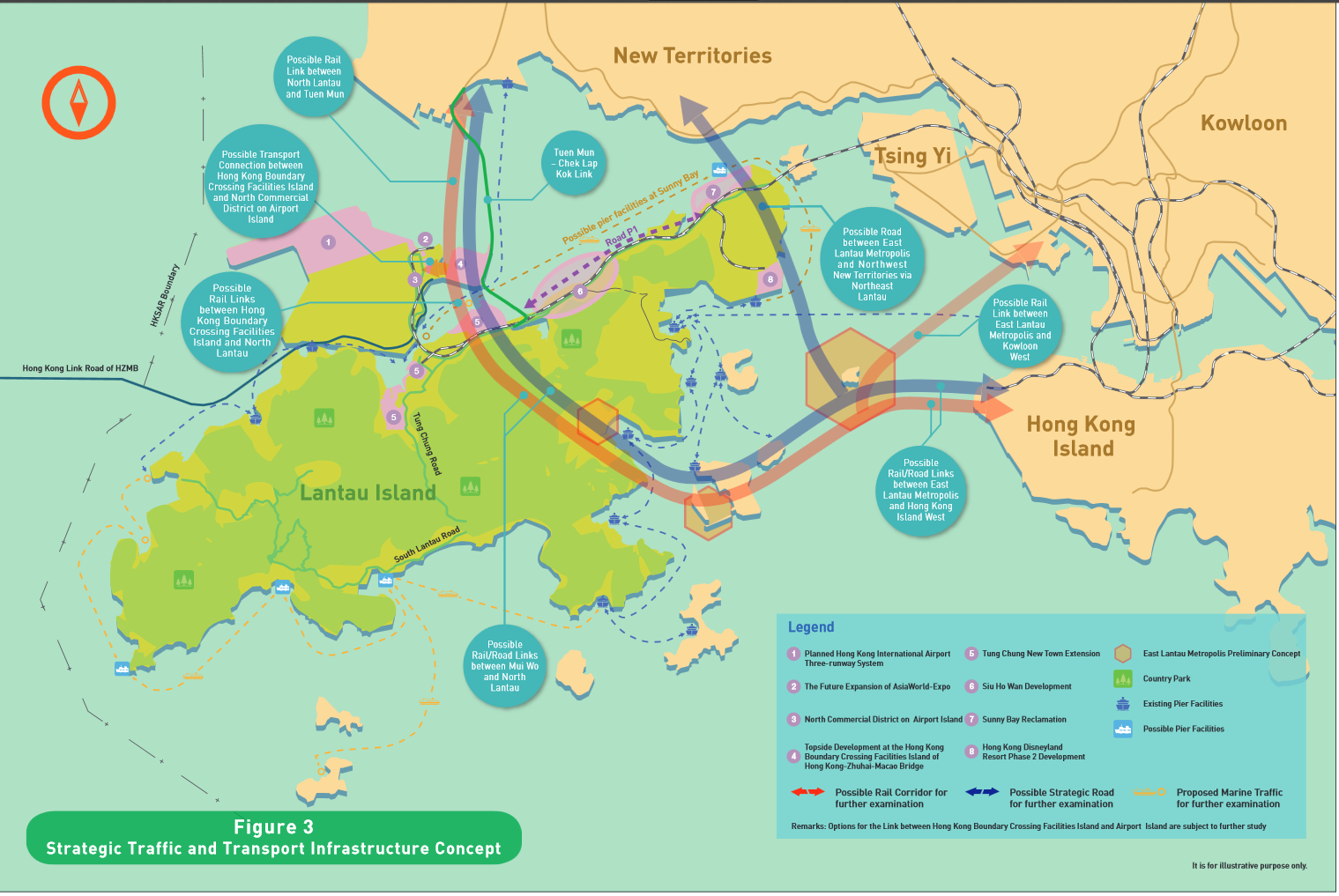
The LanDAC work report suggests expanding ferry services around Lantau, with new piers at Tong Fuk, Shui Hau, Fan Lau and Sunny Bay. Services would also run to the Sokos Islands, Tai O, Sham Wat, Sha Lo Wan and Tung Chung.
Here come the blue taxis
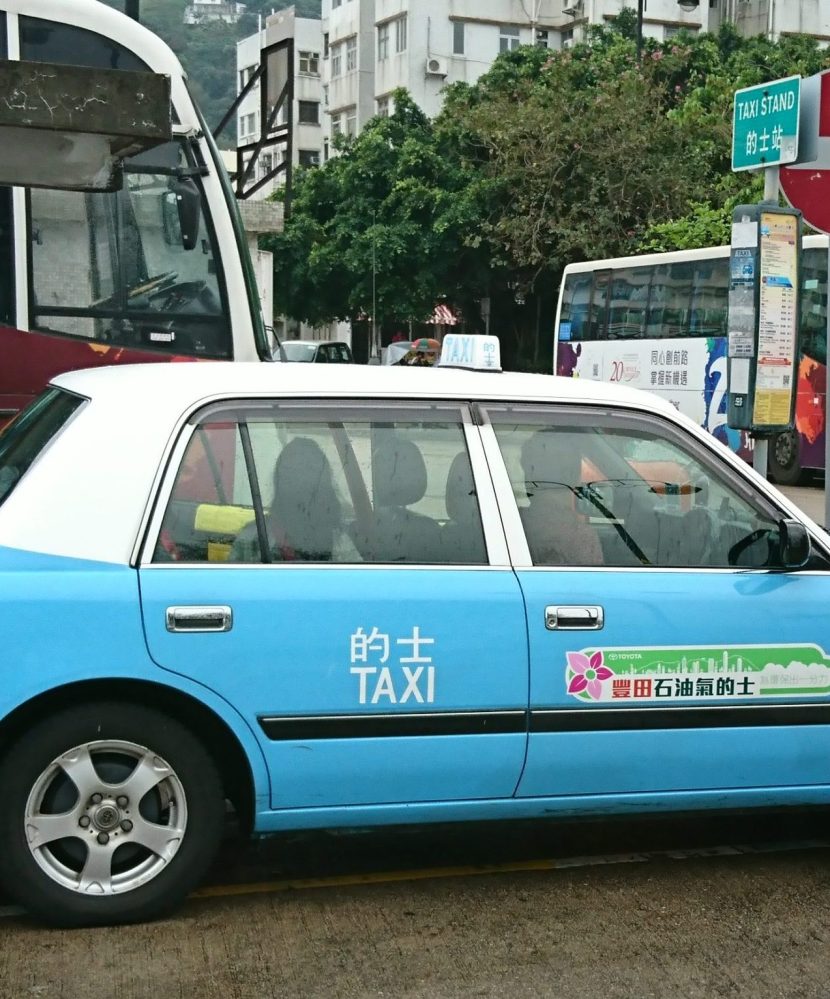
More blue taxis could be hitting the Lantau roads as early as April.
The Transport Dept issued a tender for an extra 25 Lantau taxi plates on December 18, potentially increasing the stretched local fleet by 50%.

Local taxi numbers last increased in 1997,when ten new licences were issued as Chek Lap Kok Airport began operation.
Since then Disney and Ngong Ping 360 have opened, tourist numbers have increased fivefold and the populations of both Tung Chung and South Lantau have expanded significantly.

The end of the (closed) road
Hong Kong government decisions follow a well-worn path. A government agency endorses a dubious scheme cooked up by some self-serving committee, outcry ensues and after a token consultation the project goes ahead.
That has been the predictable course of the Transport Department plan to open South Lantau Road to non-residential traffic. While the extra 35 tourist buses and cars will have a small numerical imact on the current 2,500 or so vehicles on the road daily, the real effect is symbolic: it is no longer a closed road.
The TD statement makes it clear this is merely the start. When it promises to review the timetable for “the second phase” we can be sure that further phases will follow. The roads of Lantau, narrow and hazardous as they might be, are paved with gold for the developers, landowners and tourist industry hucksters that the government calls on for advice.
In this, as is almost routine, the government is well out of step with community opinion. Surveys by the Save Lantau Alliance, a green group, and the Friends of Lantau, led by District Council election candidate Lau King Cheung, both found well over 80% of local residents oppose any road opening. Continue reading

The case against opening S. Lantau roads
For a well-reasoned case on the problems of adding more traffic to South Lantau, read the Living Islands Movement (LIM) submission to the Transport Department.
The paper, published on its website, makes a series of points that have not been publicly addressed by the Transport Department.
For starters, it warns traffic is already growing quickly as a result of increased residential development and that police resources are stretched managing the existing vehicle volume. It reminds that the 2007 Lantau plan concluded that the area was not suitable for mass tourism and that in any case the main tourist sites at Ngong Ping and Tai O appear to be operating at close to capacity. Continue reading
 Lantau Confidential