Democracy in action (or should that be ‘inaction’?)

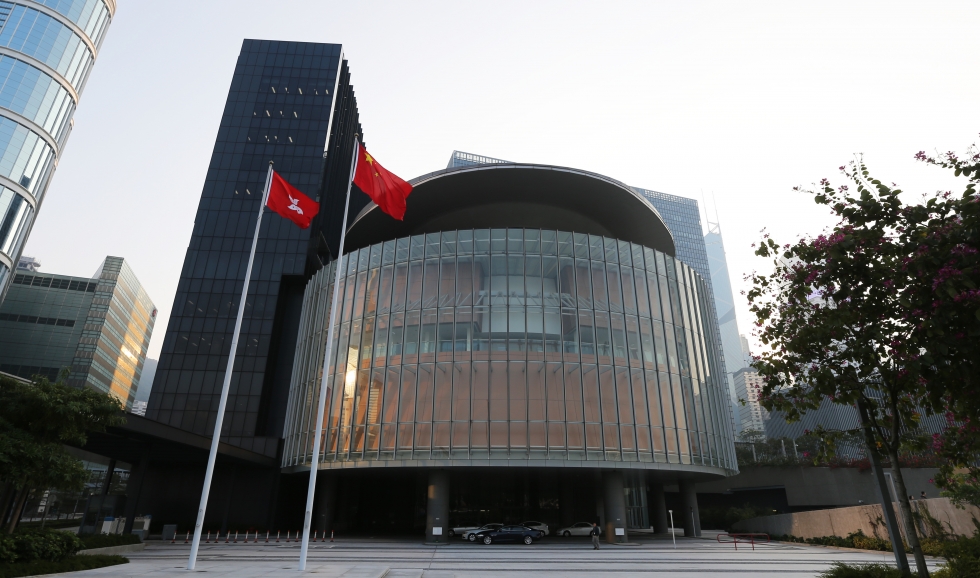
LegCo building

On my last visit to LegCo the taxi driver thought it was the High Court and proceeded up the hill past the Shangri-La. He was ex-mainland, but these days you can almost understand the confusion.

This journey was to make my contribution to the waste management ‘debate’. Hong Kong citizens have the right to directly make their argument on issues to an appropriate LegCo committee, in this case the Environmental Panel (wondering: can we do this for the electoral reform bill?). I’ve been thinking about whether this is an admirable exercise in pure democracy or a complete waste of time, but I’ve had to come down in favour of the latter.

Continue reading

Govt advisers in Lantau boondoggles shock

Here’s a story that pretty much captures all that I’ve been posting in the past month.

Brave Chan, a New Territories politician, NPC member and appointee to the newly-created Lantau Development Advisory Committee, agrees that Lantau’s transport system needs fixing up.

But he’s not talking about the indifferent service from Lantau’s taxi and bus monopolies.  No, he means we needs more infrastructure to cope with more tourists. Continue reading

A monument to waste

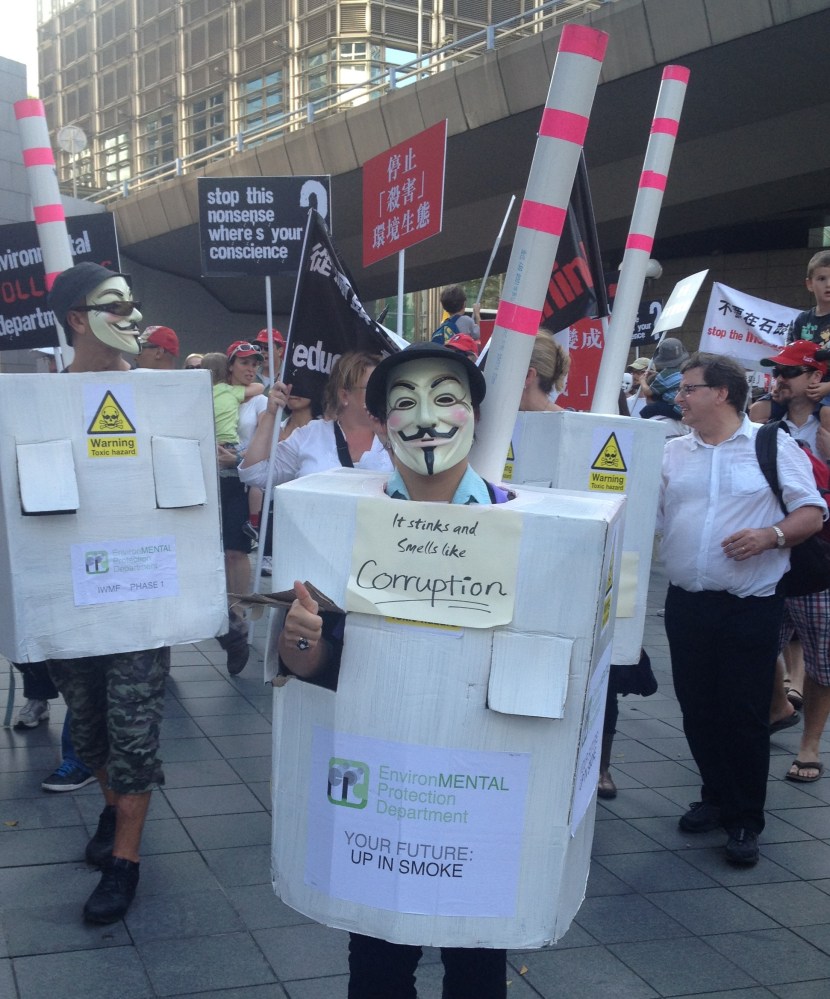
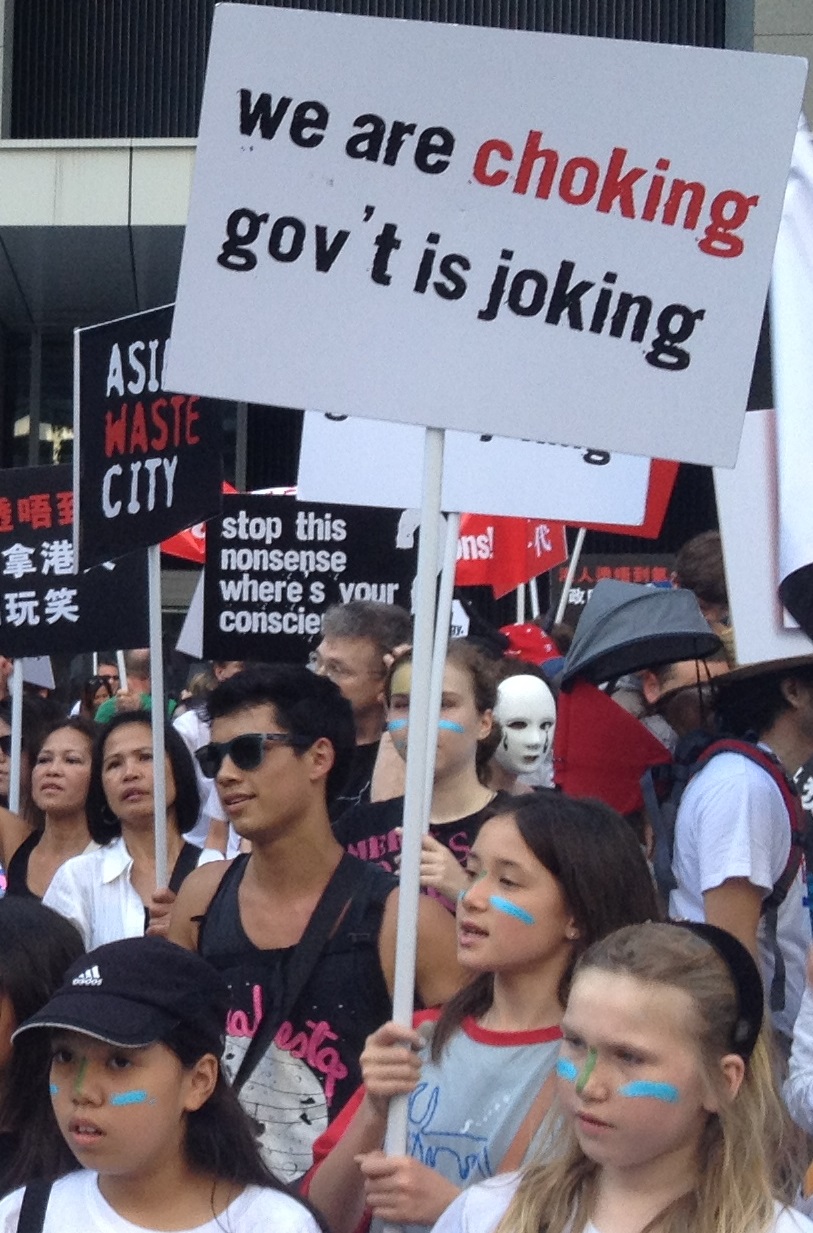
Choking

Hong Kong suffers from bad decisions because of our dysfunctional system.

In particular, it encourages grandiose public works in favour of long-term problem-solving. Officials have come to regard capital works as a salve to any of our problems because it is virtually cost-free financially, politically and professionally.

From the Stonecutters Bridge to the Kai Tak Cruise Terminal, the territory is littered with lightly-used boondoggles. We are right now well-advanced in building a road-only bridge across the Pearl River that will cut travel time by just 15 minutes. While other cities are building cycle paths and pedestrian walkways, we are unique in expanding the road network.

So it’s no surprise that we are late in tackling the issue of waste. From personal experience, I can attest that Taipei City was collecting recyclables from all residents 17 years ago. But in Hong Kong there is little reward for reducing our mountain of waste and more importantly no penalty for not doing so, just as there is no penalty for not cleaning up the air or failing to provide affordable housing. Continue reading

More blue cabs? It can be done

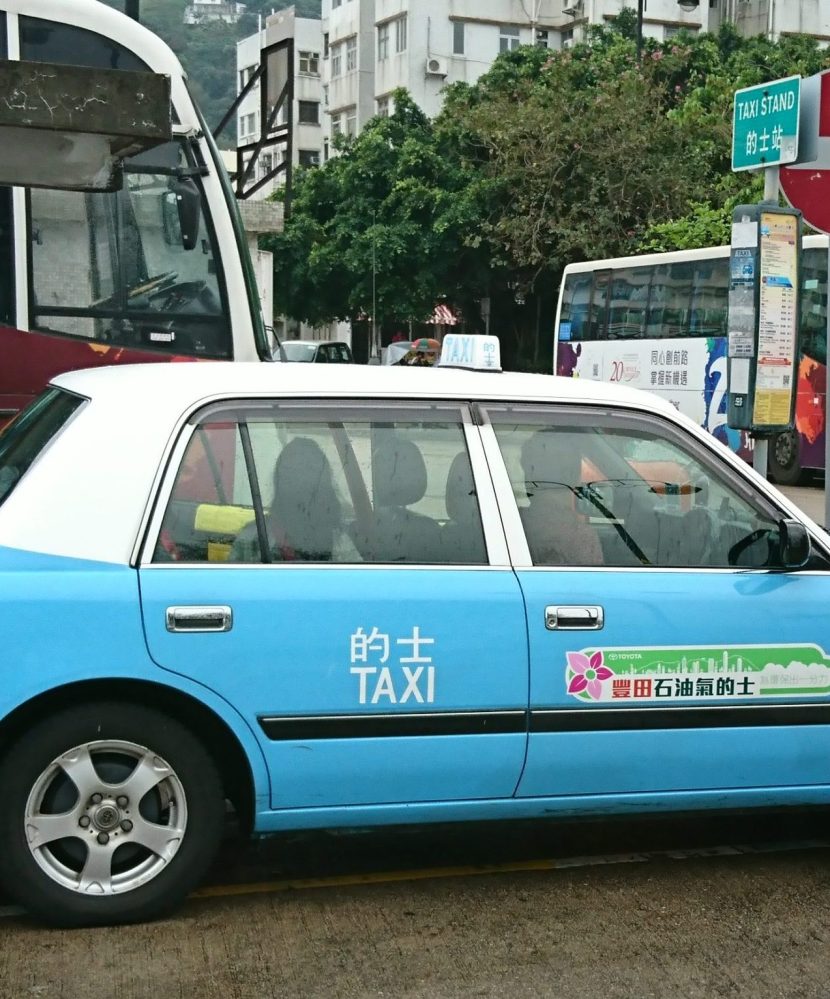
Taxi queue

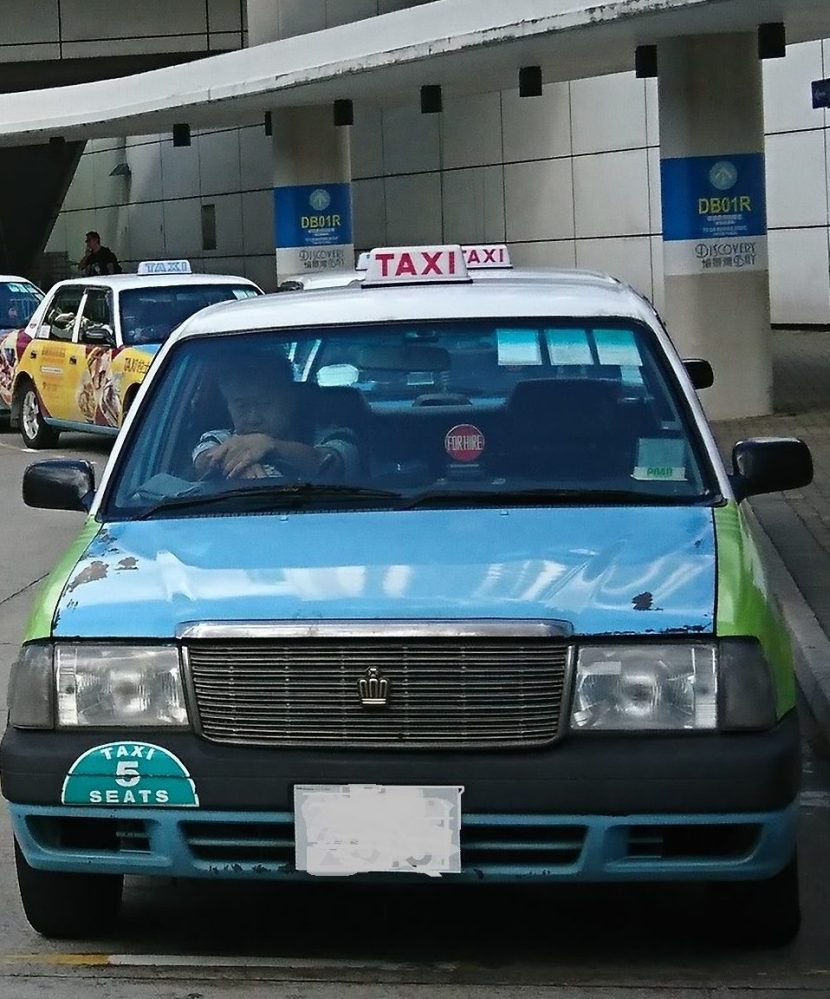
The good news is the Islands District Council agrees that we need more blue taxis.

The bad news is that the council has had no luck in persuading the Transport Dept, despite multiple requests.

The good news is the Transport Dept says it’s keeping an “open mind” about issuing more plates.

The bad news is it has no timetable for doing so. Continue reading

The silence of the cabbies

A quick update on the transport story, which has become primarily a taxi story.

First, getting a response from the Lantau Taxi Alliance is like trying to hail a blue cab on a summer weekend. Can’t see it happening, but will keep trying.

I’ve also put in questions to several Islands District Council members, including the chairman of the transport committee. They should respond, but the evidence to date is they’re more sympathetic to cabbies than passengers.

I’ve also included a question about Lantau cabs responding only after they are offered an inducement (a resident has just posted on Facebook her unfortunate airport experience late last night). This is not only illegal but is also compelling evidence that supply is not meeting demand. It doesn’t take Einstein to draw a link between this profitable but difficult-to-explain practice and the silence of the taxi firm.

On the bus side of things, Mr Wong Wah, the general manager of New Lantao Bus, has promised to give the bus company side of the story.

Lantau’s transport problems

Bus

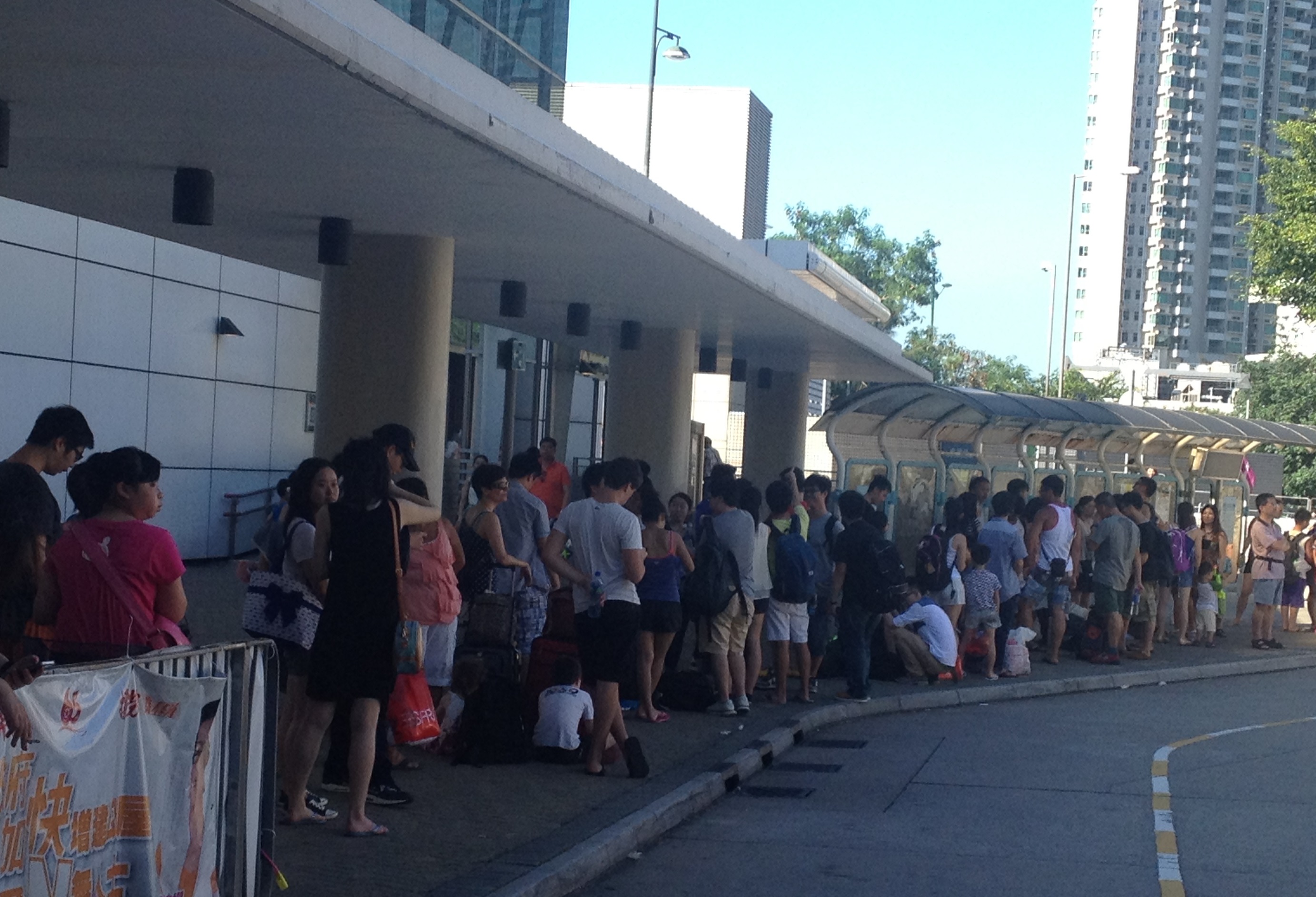
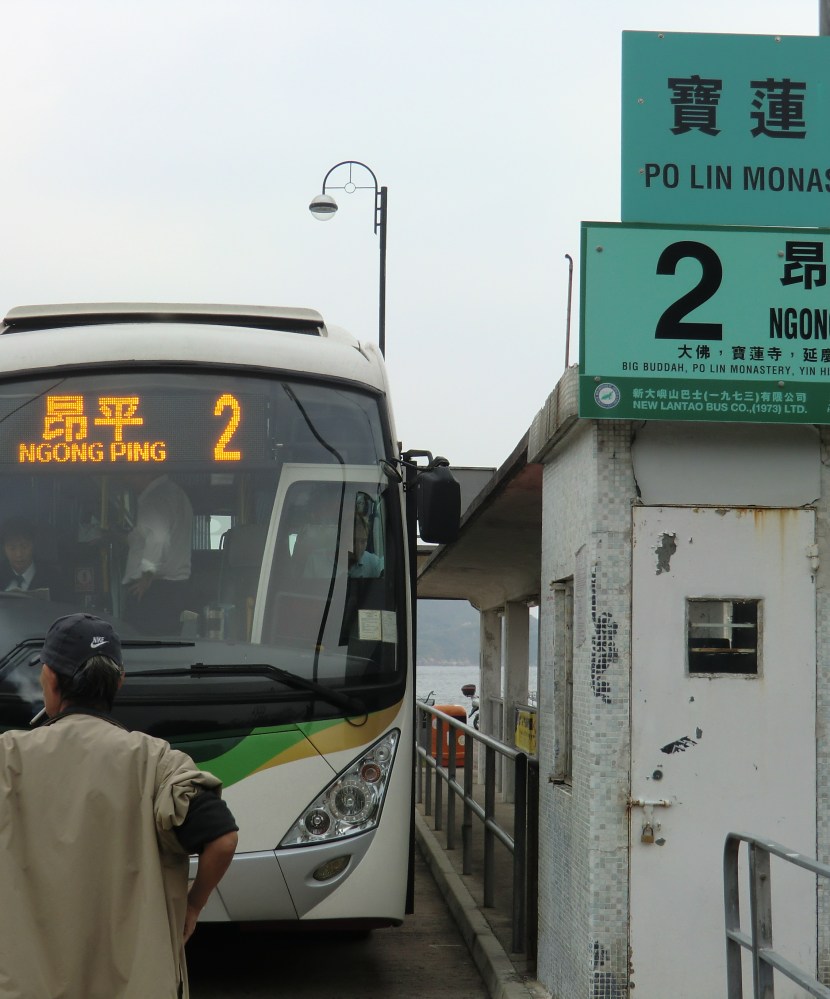
My task over the next week is to write a story for Life on Lantau about our congested and erratically available public transport services. On a cold weekday in December it took me an hour to board a bus to Tung Chung, and even  literally had to squeeze aboard.

I’ve had a lot of helpful comments on a Facebook thread I started, and there’s also this Facebook page launched by a Mui Wo resident furious after the taxi company was unable to provide a single taxi for his wedding party of 20, even after a week of calling.

The biggest number of comments related to taxis, followed by buses, with just a few relating to the ferries. For that reason, I will concentrate on taxis and buses in the story. A number of people raised safety issues, which is a huge topic in itself and deserves dedicated treatment.

One theme the story will pursue is how a community deals with these problems. In this Oriental Daily story in October, the taxi company doesn’t seem to think there is a problem at all, claiming the congestion is only a problem in holiday periods. But while there is an online form to complain about individual taxi drivers, there is no channel that takes complaints about taxi services. The taxi service is broke; how do we fix it? Continue reading

Park politics

IMG_1270

Across the mainland, enthusiasm may have waned for Chairman Mao’s vision of turning cities into forests of smokestacks, but Hong Kong’s ambition to engorge the territory with concrete still burns bright.

In the past decade alone, monuments like the Stonecutters Bridge, the Guangzhou rail link, the Central-Wanchai bypass, and the Macau bridge have been built out of wads of taxpayer cash .

So when former Exco member Franklin Lam describes Lantau as the “ugly duckling” of Hong Kong, he is part of a grand tradition.

Treading the same cement path as Development Secretary Paul Chan, who opened up the topic five months ago, Lam has  created a minor flap with his call for the “green development” of Lantau country parks. His remarks carry weight not just because any such suggestions feed the city’s concrete addiction. As a member of the just-created Lantau Development Advisory Committee he is in a position to do something about it.

(For those wondering, he is not cleverly trying to stoke support for artificial islands by making even those seem a better option than the trashing of country parks. Lam actually said that the marine environment is more valuable than the parks, though he didn’t say why, nor did he have anything to say about the all-but extinct pink dolphin.)

It’s not that we don’t need to have a debate about housing and land-use, or that there aren’t sections of country parks of minimal environmental value (usually as the result of deliberate abuse).

But here’s what Bill Talbot, who set up the country parks in 1965 and is now a World Bank and UN environment adviser, had to say to the Post in September:

“Experience worldwide shows that once development is allowed to invade parks and protected areas, the process continues and often accelerates. It is like the camel’s nose under the tent.”

That goes double in the deformed political economy of Hong Kong.

Hong Kongers are reminded of this daily in the current constitutional ‘consultation’, where advocates for the rich and powerful are queuing up to demand protections against the ravages of democracy. According to a SCMP reader poll in September, 70% of the population is opposed to country park development. But Lam and others know they don’t need wide public support. They just need to excise a few degraded corners of country parks, and from there the process will take care of itself.

Lantau development mania

LC construction

When Hong Kong’s British rulers announced plans for a new airport at Chek Lap Kok in 1990, they set off a minor boom on Lantau. Not even the sleepy southern parts were immune; I bought my South Lantau apartment in 2006 at below the 1994 price.

But that has nothing on the scale of what is planned for the next decade. While most of these projects are strictly speaking offshore, all will impact massively on the Lantau physical and living environment – especially for Tung Chung residents.

For easy reference, I have mapped all the current and proposed mega-projects here.

The biggest of these, like the pointless Hong Kong-Zhuhai-Macau bridge and the environmental and financial disaster that would be the Shek Kwu Chu incinerator, are already notorious. But who knew that to accommodate the bridge landing zone will be a 130-ha artificial island off Chek Lap Kok? Or that another equally massive reclamation is envisaged to stretch from the other side of Tung Chung Bay? Or of the two-lane, 5-km long subsea tunnel to Tuen Mun?

Much of this frenetic pouring of cement centres around the 55-km Macau bridge, which not even the biggest boosters believe offers any significant time saving (famously, it’s a road bridge only).

The best that can be said of this tsunami of concrete is that it may absorb some of the 100 million tourists that the government, in one of its most deranged forecasts ever, expects this already severely-overloaded city to warmly welcome in ten years.

More accurately it tells the story of Hong Kong’s plight – the cronyism, the bad air, the deteriorating social amenity, the exorbitant property prices, the willingness to tip taxpayer funds into grandiose objects. Over and above all of this are the declining terms of political trade with the mainland.

Each of those projects is worth a story in itself. I wrote about them in a little more detail for the Life on Lantau magazine February issue, out now and available at locations around Lantau.

Here on Lantau, Hong Kong’s cheapest property

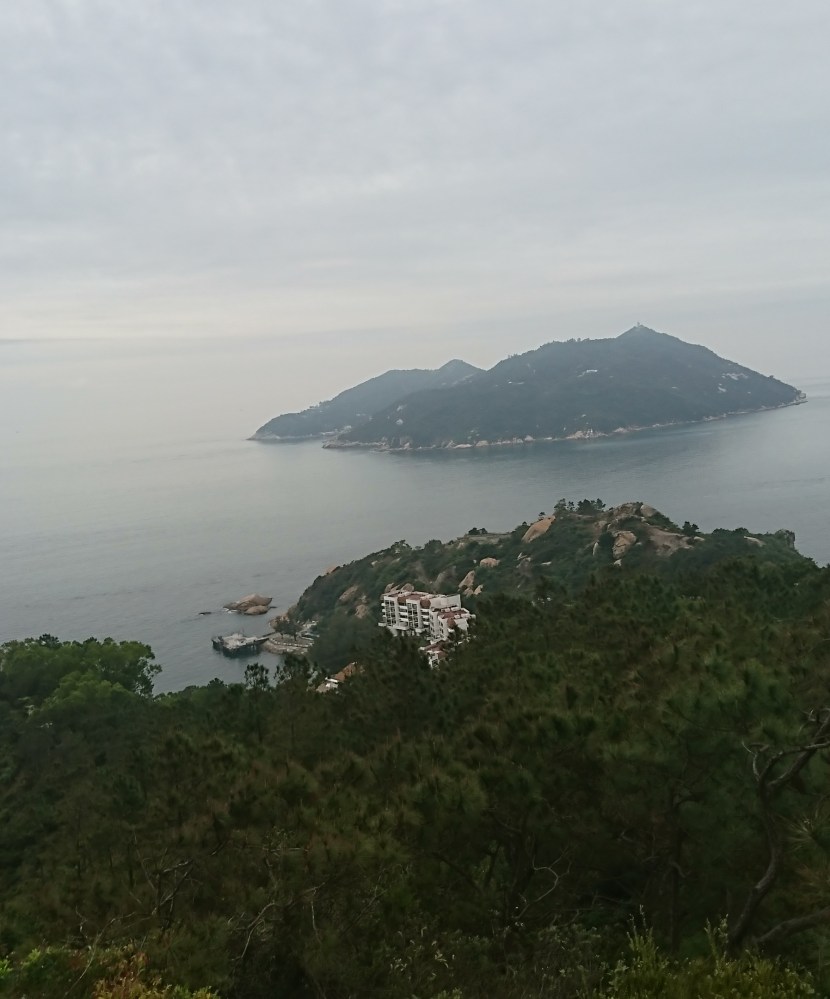
Running around Chi Ma Wan peninsula last year I noticed a bunch of apartments on the shore below. Not knowing the epic importance of the dwellings, I took this photograph from just the other side of the point.

Sea Ranch Almost

That’s pretty much the same stunning view as residents get daily. Who wouldn’t want a part of it?

The answer is, no-one.  Even in land-scarce Hong Kong.

The place is called Sea Ranch. Built some 20 years ago, it has entered Hong Kong legend as a semi-deserted ghost village. Not quite on the same scale as Skyfall‘s Hashima Island, but important enough to rate a mention in Time Out‘s ‘Secret Hong Kong’.

The awkward location and lack of transport links have doubtless contributed to the exit of owners and tenants. At $732 per square foot it is surely Hong Kong’s best-priced accommodation (thanks, Big Lychee). That’s six times less than the South Lantau average of $4,704 for November.

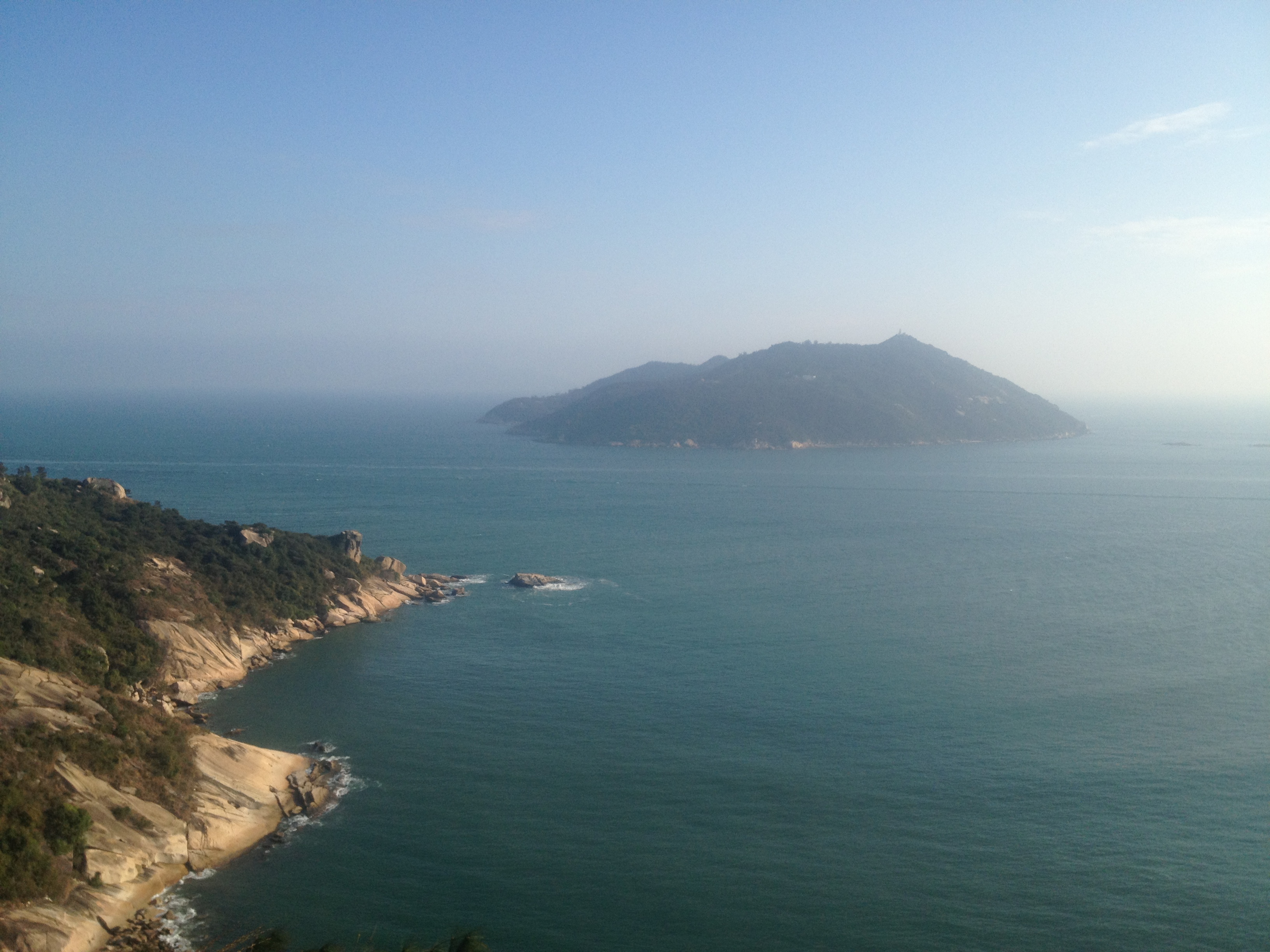
But what’s that smack in the middle of the foreground? Yes, Shek Kwu Chau, the government’s favourite location for super-incinerator and wharf, promising the arrival of 3,000 tonnes of garbage daily and likely toxic emissions. No wonder it’s been abandoned by the market.

In Shap Long