Telling our own stories

Hong Kong’s anniversary celebrations last month set off once again the debate over the city’s identity.

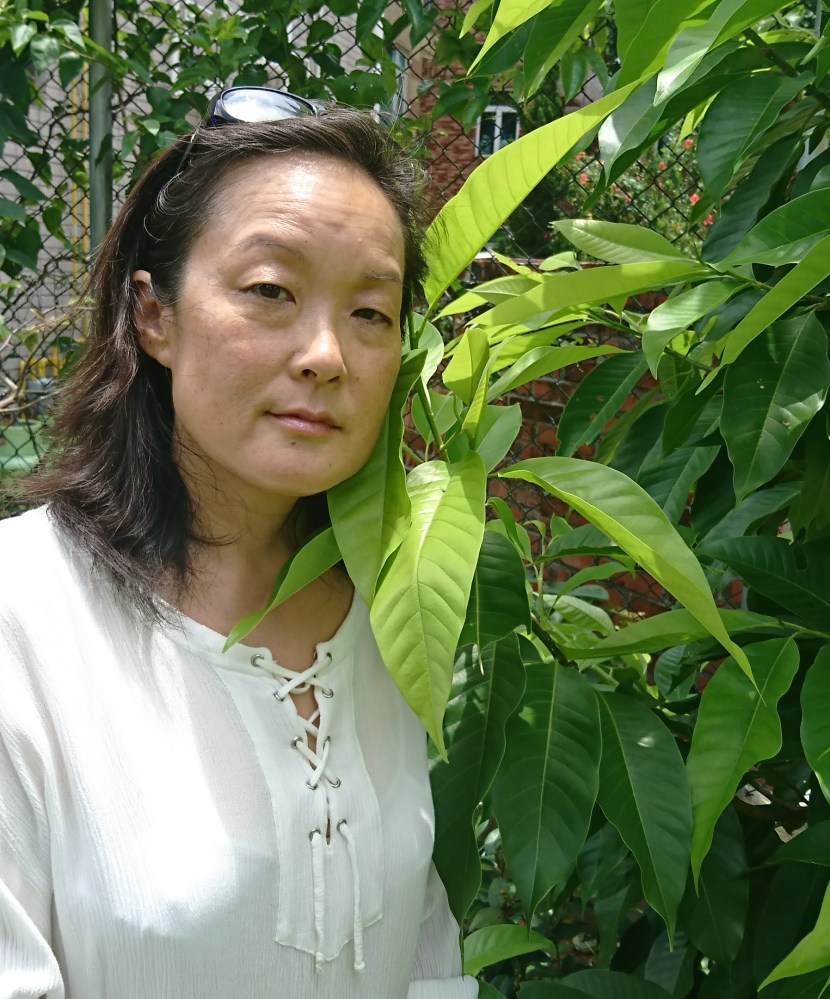
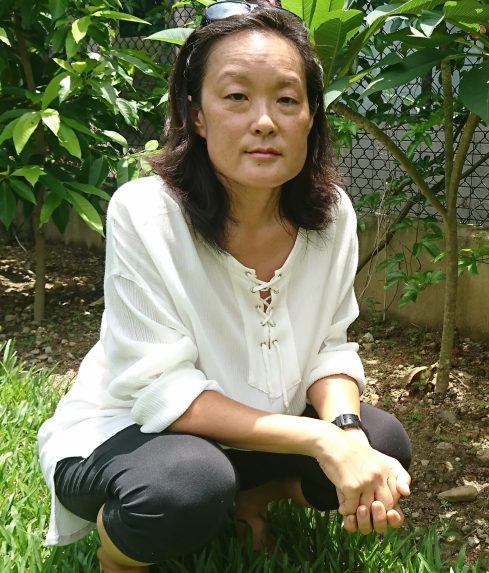
But for local writer Stephanie Han questions of identity – how different groups see themselves and how they relate to each other and to those in power – are at the heart of her work.

Stephanie, who divides her time between Mui Wo and Hawaii, has just released her first book, Swimming in Hong Kong, a collection of short stories set in Hong Kong, Korea and the United States. It won the Paterson Fiction Prize and was a finalist in two other competitions, with some individual stories winning multiple awards, including one from the South China Morning Post.

To quote one review, the book “reflects upon the dynamics of East and West; local and foreign; colonised and coloniser; centre and periphery” and explores how these tensions play out in everyday experiences.

“There are different ways that people interact across cultures,” says Stephanie, who was born in Hawaii to a Korean-American family. “And I think this is important to know. Because fundamentally how we exchange and how we share is what we need to value.”

Hong Kong shares obvious characteristics with China but has its own distinct historical trajectory, she observes. “But that doesn’t necessarily mean this group of people wants to participate in the way that the larger nation of China wants it to participate.

“There are many unique things about Hong Kong, many things that maybe the larger nation of China could learn. I think this is something valuable and should be respected.”

There’s a strong parallel in Beijing’s relationship with the Uighur population in China’s far west.  “Now, they are Chinese. But they might want to say, ‘we do not participate, we don’t believe in the structure of the Chinese nation. We want to say we are Uighur people.’

“Here’s a group of people considered and classified in different ways. We have to respect the way they exchange and the way they want to be thought of.
“As time moves on, we can see this with the Hong Kong people. Some of these big nations are failing certain types of population. Maybe we can learn from those small populations.”

As a a more equitable and more accepting framework, Stephanie proposes ‘polyculturalism’, which acknowledges the importance not just of your origin “but also how you exchange.”

It’s based on the musical concept of polyphony in which everybody sings a melody. “If we go to a symphony, everybody is important to how an orchestra sounds. Just because you’re first violinist doesn’t mean you’re more important than the tuba player.

“What’s also important is, when we listen to a symphony, sometimes we listen to different things. Some of us listen to the bass line, some of us the rhythm section. Sometimes we switch during our listening experience. There has to be an idea of respect for everybody’s different roles that they play in society, and how they’re exchanging and sharing and how they want to be considered.”

The topic resonates strongly with her own sense of mission as a writer and creative writing teacher. “Narrative is fundamental to how we see ourselves and how we see the world. It’s important to get your own story straight.”

She ran a writers’ workshop for some years on Lantau, which she enjoyed because “my interest is in helping people tell their personal narrative or to gain clarity about a narrative that they are interested in. Fundamentally creative writing comes from that.”

She and her partner moved here nine years ago because of the space it offered for their child.  It wasn’t her first encounter with Hong Kong, having lived here early in the 2000s. Serendipitously, she first visited at the time of the handover, arriving from Seoul.

“I was really blown away. Seoul was a pretty conservative society still. But I came to Hong Kong, and it was something else. It seemed very global, very modern. There was a lot of energy to it.

“But I think the city has shifted. If you go back to Seoul now, to me it has a lot more energy. The dynamic of the cities has shifted. Seoul went on and Hong Kong has just stayed.

“A society that has a healthy arts and creative and environmental community is usually one that’s a little more dynamic.”
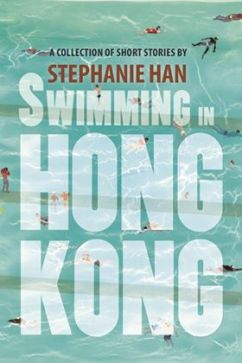
 

Stephanie Han will launch ‘Swimming in Hong Kong’ at the Hong Kong International Literary Festival on Monday, July 24

7.00 – 8.30pm

4F Lecture Theatre

Visual Arts Centre

7A Kennedy Rd

Tickets: $110 (Students: $70)
 

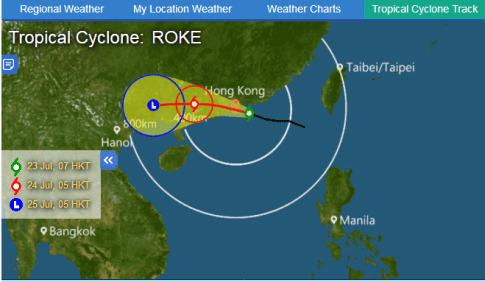
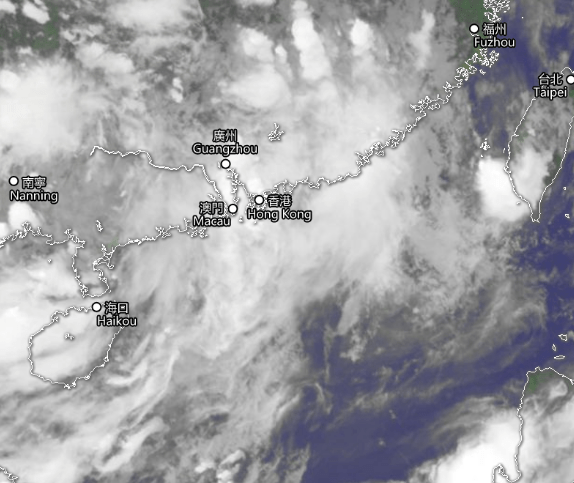
T8 signal to be hoisted as Typhoon Roke approaches

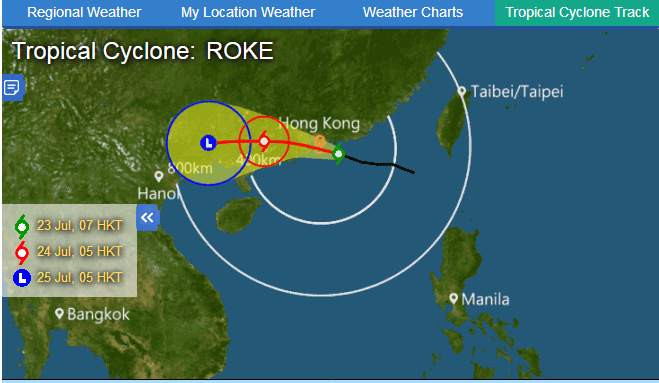
The Hong Kong  Observatory says it will hoist the T8 signal by 9:20 this morning as Typhoon Roke approaches the city.

It says Roke is relatively small but warns wind speeds will strengthen as it approaches.

At 8 a.m., Roke was estimated to be about 90 kilometres east of Hong Kong east and expected to move west-northwest at about 20 kmh.

In the past few hours, Roke brought gale winds to the coastal waters of the eastern part of Guangdong. The circulation of Roke is small, but local winds will strengthen significantly when Roke moves close to Hong Kong…

As Roke will very likely track from east to west across our territory, local winds will turn rapidly from the current northerlies to south and southeasterlies. Places which have been sheltered before will become more exposed to the high winds. The public should stay on the alert and not to relax precautions.

The T3 signal was raised at 3:40 am.

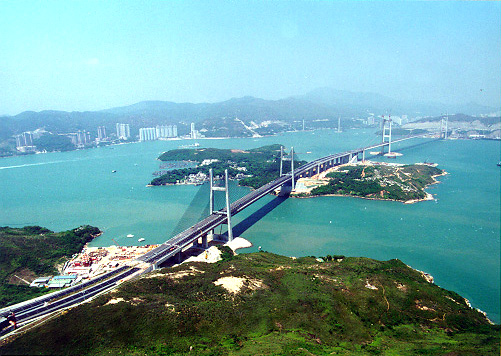
Two-way tolls for N. Lantau freeway from next month

Drivers will have to pay tolls both ways on the North Lantau freeway from August 20, the Transport Department has announced.

The change is to accommodate the opening of the Hong Kong-Macau Bridge, after which the Lantau freeway will no longer be the only road access to Lantau.

The Transport Department said in a statement Wednesday that a two-way toll collection arrangement will be implemented at the Lantau Link Main Toll Plaza and the Ma Wan Toll Plaza from midnight on August 20.

The total toll charge won’t change. Private vehicles heading toward Kowloon, who currently have to pay HK$30 at the Lantau Link tollbooth, will pay HK$15 each way.

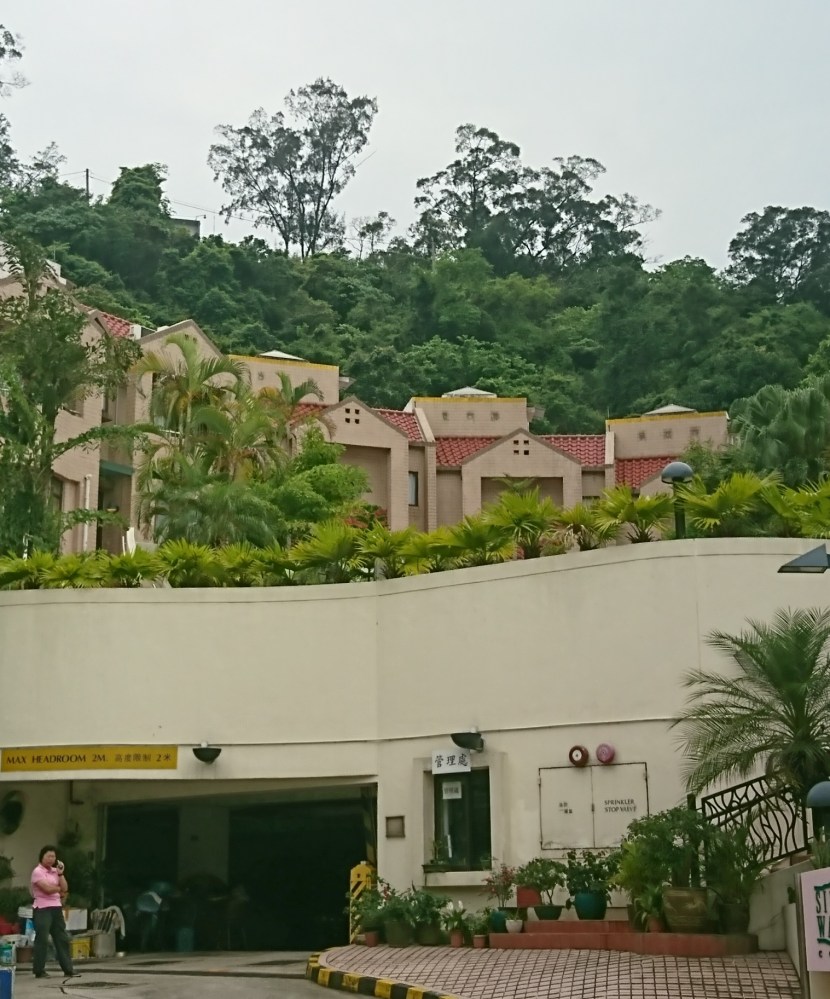
Silver Waves Court sold: another building project headed for Mui Wo

Another major building project is on the way for Mui Wo with the sale of beachfront housing estate Silver Waves Court.

The 20-year-old estate is to be rebuilt into 18 two-storey detached houses, each with a separate garden.

But property firm Colliers International, which arranged the sale, can’t reveal who acquired the property, the price they paid, or when building work will start.

The Buildings Dept has approved redevelopment of the 31,721 square feet site. Currently it has 16 separate homes with private gardens and an outdoor pool. It is fully-leased.

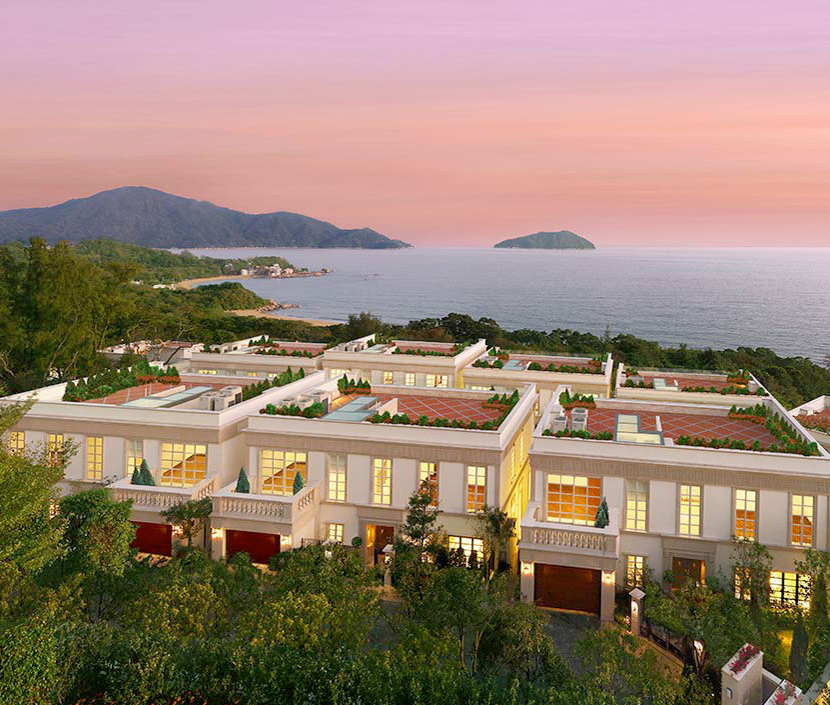
Suddenly, a rush for Lantau luxury homes

Keen to drop HK$60m on a South Lantau home? You may have to hurry – they’re suddenly in demand.

Only one home is left at the Botanica Bay development in Cheung Sha, while at nearby Whitesands seven have been snapped up in the last three months.

The latest sale is a Botanica Bay house that sold for HK$63.8 million, or HK$17,128 psf, earlier this week. It has 3,725 sq ft in usable floor area, making it the smallest in the 16-home development, though it also comes with a 1,267 sq ft garden.

It was the 15th home to be sold since Botanica Bay, built by Sino Land, went on the market in early 2015. In one of the early transactions, the biggest home in the development was sold for HK$209 million – an outlying islands record.

Down the road at South Lantau’s other high-end development, Whitesands, sales were sluggish until recently. The Swire Group project next to the San Shek Wan roundabout was completed in late 2015, but up to April only two of the 28 units had been sold.

But since then seven have been sold at prices ranging from HK$34 million to HK$60 million. The latest was on July 10, when a 2,355 sq ft home with a 1,393 sq ft garden sold for HK$38.4 million, or HK$16,300 psf.

It’s not clear why the recent rush, although Whitesands dropped its prices by nearly a third late last year. One factor cited is the opening of the Hong Kong-Macau bridge, possibly as early as late 2017.

These almost certainly won’t be the last luxury home projects on South Lantau. Mui Wo residential estate Silver Waves Court is set to be redeveloped into high-end homes.

Lantau rescue fox still under SPCA observation

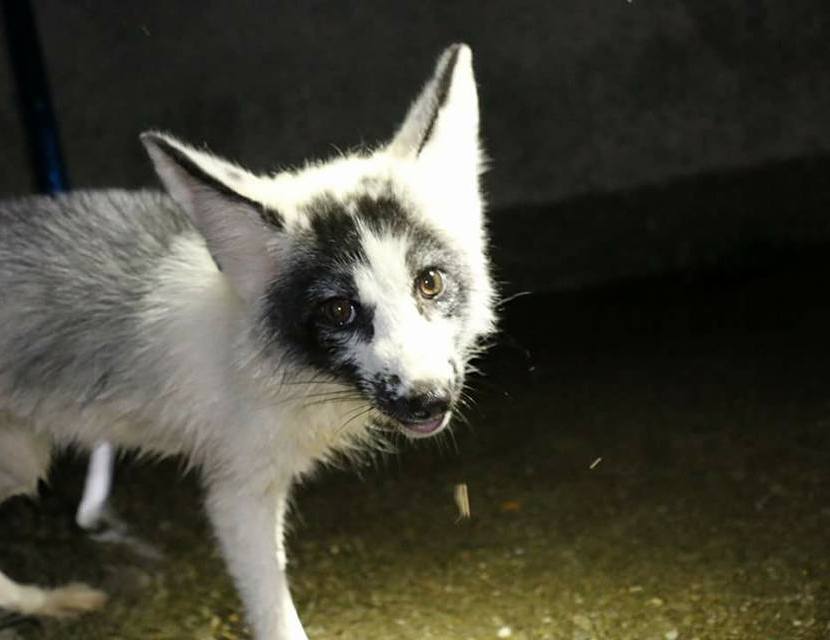
The marble fox rescued from Lantau Friday night is still being monitored by the SPCA.

The fox, found in the catchwater near Tong Fuk, is eating well but “still very skinny,” a spokesperson told Lantau News.

The animal is a young male, still with his baby teeth, and is in a stable condition, the spokesperson said.

He is being monitored by vets at the SPCA’s Kowloon Centre for rabies and other diseases. The association couldn’t give an estimate on how long he had been wandering in South Lantau.

The fox, a domesticated breed and most likely abandoned by his owner, was discovered late Friday evening by a group on a snake safari and rescued by the fire department.

The SPCA said it is still in discussions with the AFCD, Kadoorie Farm and Ocean Park about where to place the young fox after it recovers.

UPDATE (July 22): The fox has been sent to Ocean Park.

Photo: Ivan Li


Got a newstip, an upcoming event or story idea? Contact us at info@lantaunews.com or through our Facebook page.


Another amber storm warning as rains lash city

The amber rainstorm warning was hoisted late this afternoon for the second time today as heavy rains continued to lash Hong Kong.

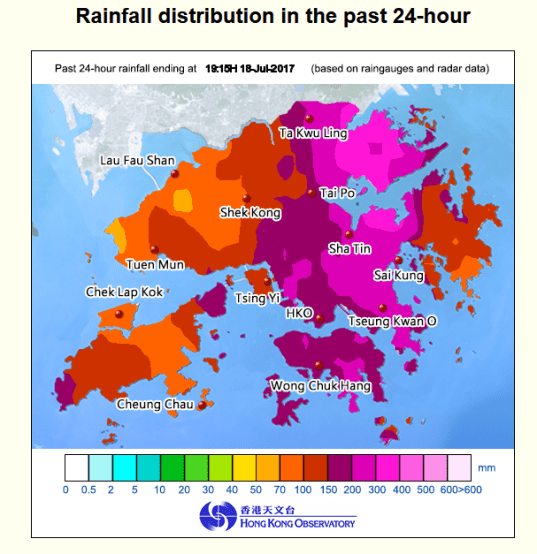
A southerly airstream brought more than 40 millimetres of rain across the territory this afternoon, with more than 100mm falling on Kwai Tsing District, the Hong Kong Observatory reported this evening.

Areas of central and northeastern parts of the New Territories reported widespread incidents of flooding.

The Observatory says over the past 24 hours parts of Lantau received as much as 200 millimetres of rain, with Tai O in the west and Disneyland in the northeast both receiving between 150-200 mm.  Much of southwest Lantau and Tung Chung received slightly less rain – between 100-150mm, the Observatory data shows, with the heaviest falls between 2-5pm.

Chart: HK Observatory

The amber rainstorm warning, issued at 4:20pm, remained in force at 8pm. It indicates a likely fall of 30mm or more in an hour.

The earlier amber signal was raised at 8:20 am and cancelled at 11am.

The Observatory predicts further “heavy showers and a few squally thunderstorms” tomorrow morning, with some sunny periods in the afternoon.

Govt promises review after doubling subsidies to private ferry operators

After doubling subsidies for private ferry operators, the government has promised a review of the viability of islands services – but has made it clear it will resist making any major changes.

In the new three-year licensing period, which started on July 1, the Transport Department will tip HK$412 million in public funds into the biggest ferry companies.

These so-called Special Helping Measures (SHM) are in addition to other government support, such as the waiving of fuel duty and footing the bill for pier maintenance. The department does not put a value on these, but says that without the SHM fares will have to rise by 30%.

The current SHM are up 115% from the HK$190 million subsidy in the previous period and will go to just two companies – New World First Ferry (NWFF), which runs the Mui Wo and Cheung Chau routes, and Hong Kong and Kowloon Ferry (HKKF), which services Peng Chau and Lamma.

The other six outlying island ferry operators will receive no cash at all. In a paper to Legco, the Transport Dept acknowledges that some of these are running at a loss, but offers no explanation as to why only the biggest and best-connected firms receive financial support.

The subsidy has grown substantially since introduced in the 2011-2014 period at just HK$112 million.

It applies to eight different areas of ferry operation, the biggest of which is for vessel maintenance, which accounts for nearly 60% of the HK$412 million. For the first time, it also includes a subsidy for depreciation, which the department says will go to the acquisition of two new vessels.

To put the latest SHM into perspective, they are nearly half as much again as the HK$280 million invested by NWFF, the biggest operator, in its fleet.

The escalating outlays reinforce the criticisms of the ferry system that it is fragmented and unprofitable and that the three-year licensing term discourages operators from investing in their fleets.

The Transport Dept says it will review the long-term financial viability of the current system in 2019, including the possible extension of licence periods.

But it says that the idea of the government procuring vessels and outsourcing the operations breaches policy of putting all public transport in the hands of private companies.

The Islands District Council last month passed a motion calling on the government to conduct the review this year. Assistant Transport Commissioner Irene Ho, who attended the meeting, saying it involved a lot of complicated issues.

Lantau fox in SPCA care after catchwater rescue

A marble fox found in the catchwater at Tong Fuk is being kept under observation by the SPCA.

The 50cm long fox, discovered in the catchwater late Friday night, was rescued by the Fire Department and put into the care of the SPCA. It had been in the area for at least two days.

The SPCA says the animal is at the Kowloon Centre where it is being monitored for signs of rabies or other disease. It says it hasn’t decided what to do with the animal, but may hand it to the Kadoorie Farm or Ocean Park, a spokesperson told told Apple Daily.

After an initial inspection the animal was found to be uninjured and basically healthy, but very thin, the association said. It was difficult to examine it closely because of its fear of humans. Its age and sex are still unclear.

Hungry (Photo: Ivan Li)

The marble fox is a domesticated breed, a combination of genetic manipulation of the red and Arctic foxes. It almost certainly has either been abandoned by its owners or has escaped from its home or from smugglers.

Ivan Li, who found the animal while on a nocturnal snake safari, said it was very thin and hungry and tried to feed it some bred. He believes it was left there by its owners. He criticised those who “abandon alien species” in Hong Kong.

Top photo: In the catchwater (Ivan Li)


Lantau has Hong Kong’s most reliable bus fleet

Lantau has Hong Kong’s best-performing bus fleet, according to Transport Department figures.

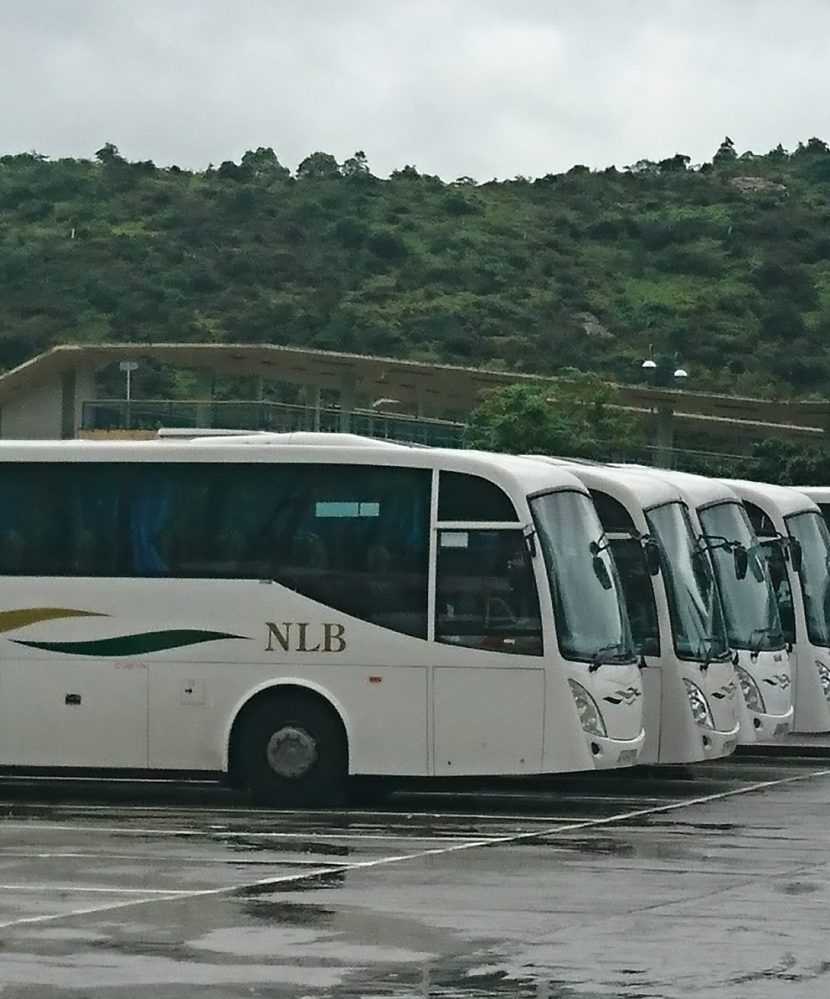
Every year for the past five years, New Lantao Bus (NLB) vehicles have recorded the lowest number of breakdowns of any of the city’s six franchised bus fleets.

Last year NLB’s 121 buses recorded 12.6 breakdowns for every million kilometres travelled. The next best was Kowloon Motor Bus (KMB), at 17.4, and the worst was New World First Bus (NWFB), with 52.6.

NLB has the smallest bus fleet, but the level of breakdowns doesn’t seem to be related to size. KMB is by far the biggest operator, with 3,916 buses, but NWFB, consistently the lowest performer, has just 691.

The Transport Dept suggests it may be connected to the amount of uphill and downhill and the road quality – but that would favour most urban buses over the Lantau vehicles.  Perhaps it is also related to how the buses run on the route. Lantau buses may have steeper hills but they spend limited periods idling in traffic.

However, the fact that the reliability performance for each of the operators is relatively consistent over the years suggests internal maintenance practices are also a factor.

Source: Transport Dept

Secretary for Transport and Housing, Mr Frank Chan Fan, also told Legco Wednesday that franchised passenger buses are required to be retired from service after 18 years. In the coming five years KMB would replace 1225, New World First Bus 118 and New Lantao Bus Company 35 buses respectively.