A Mui Wo village leader was directly involved in six village house transactions and connected to another three in the space of two years, prompting calls for the transactions to be investigated.
Civic Party leader and barrister Tanya Chan said while there was no clear evidence that small house rights were being sold, the land sales were “suspicious” and should be scrutinised.
Eddie Tse from the Save Lantau Alliance (SLA) said the transactions by Luk Tei Tong village representative Lee Kwok Keung and his wife were “intriguing,” especially when they involved residents from other villages. He called for the Lands Department and the Town Planning Board (TPB) to probe the deals.
According to the Ming Pao newspaper and the SLA, Lee and his wife sold land that was used to build six indigenous houses, while another three are applying for approval to build.
One plot of land, lot 288, was broken up and sold to six different buyers, including five from other villages.
Land sale contracts show Lee bought the lot for just under HK$2.78 million in 2011, and then selling it as six separate plots over 2012-2013 for HK$2.24 million – HK$540,000 less than he had paid. Every transaction was authorised by the same lawyer, Lee Kwok Yung.
Subsequently, a number of applications were made to build ding houses on those sites, which were approved in 2015 and 2016.

Lot 288
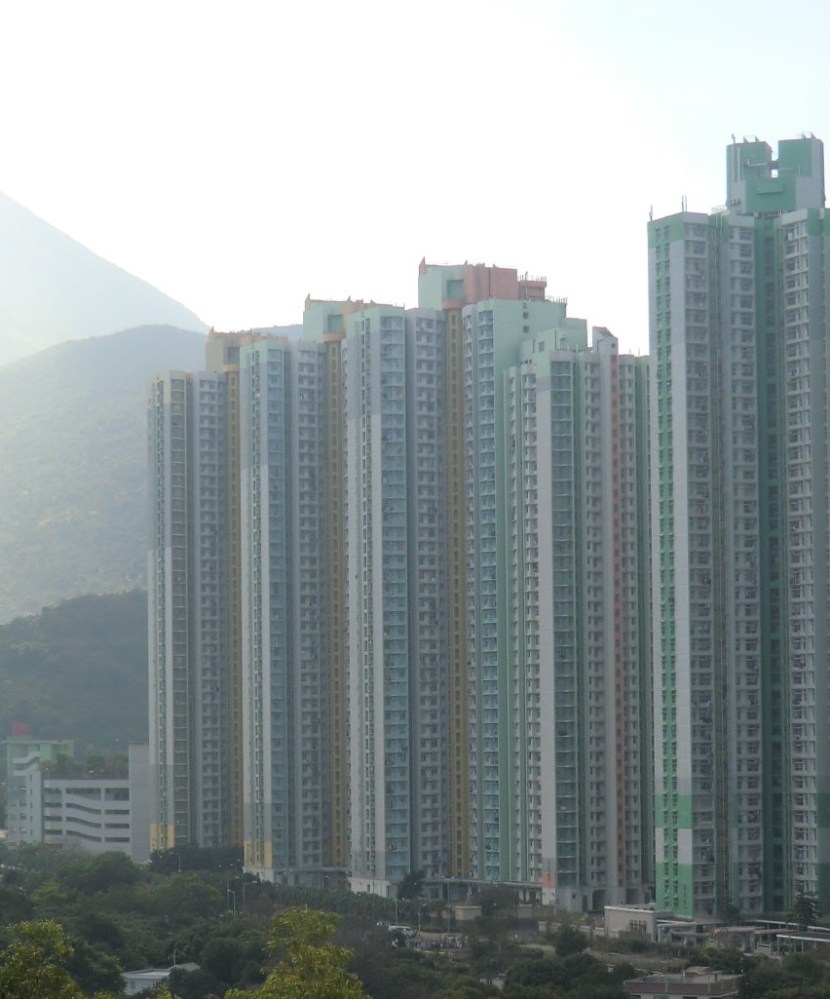
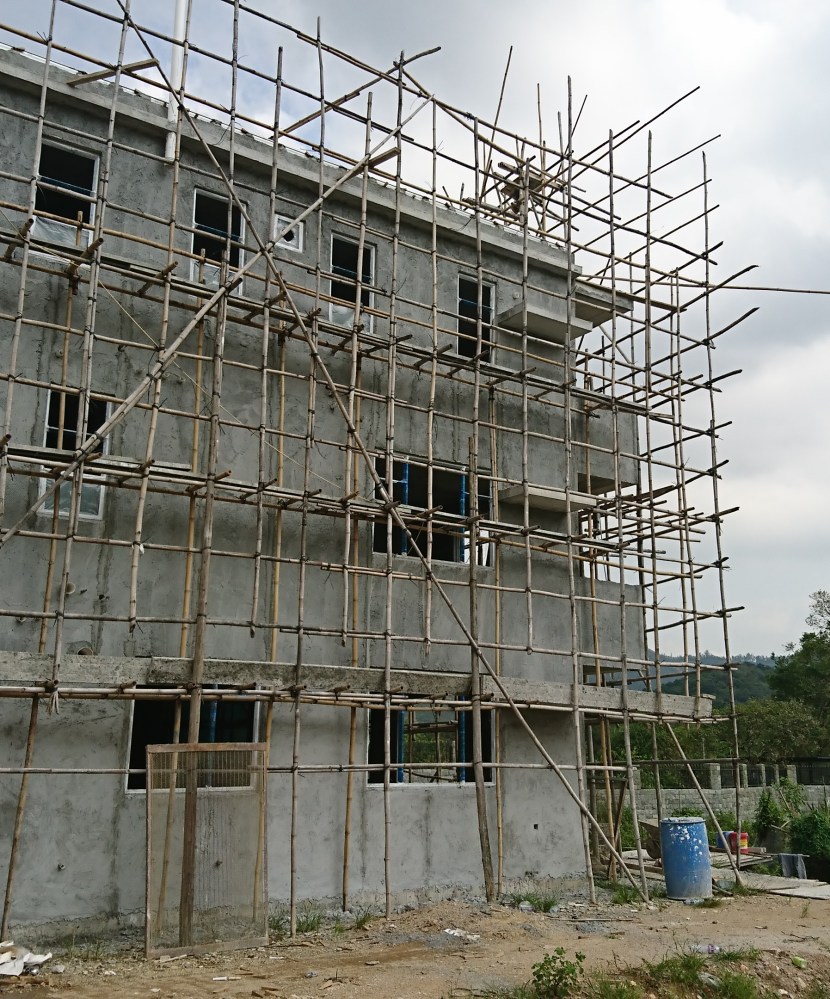
The six small houses, many with the same external appearance, have now been nearly completed.
Five of the buyers have addresses outside Mui Wo, including one in Australia, land sale documents show. Ming Pao reporters could not locate any of the buyers.
Lee’s wife, Fanny Mok Suk Fun, was involved in buying and selling another plot of land on the edge of Luk Tei Tong, lot 308. She had acquired it for HK$700,000 in 1999, split it into three pieces, and sold them off in 2004.
Then on the same day in 2008 Mok and a Ms Au-yeung Yuet-lan repurchased two of the lots at exactly the same price (HK$198,000). In 2014 the two lots were sold separately for the same price (HK$208,000) to two people now applying for ding approval. Both transactions were also executed by Lee Kwok Yung.
The third piece of land is also subject to a TPB application for building approval.
Speaking to a Ming Pao reporter by phone, Lee confirmed he had sold the land to residents of other villages and as village representative had dealt with the six small house applications.
However, when asked about his wife’s role the call dropped out. Reporters were unable to re-establish contact, and text messages were not returned.
The number of cross-village ding transactions in Lantau has soared since then-CE CY Leung announced ambitious Lantau development plans in his 2014 policy address.
In the two years prior, just three applications had been filed. But after the development plans were unveiled, the number of applications spiked to six in 2014, 14 in 2015 and six in 2016.
Under the Basic Law, indigenous male villagers are given the right to build a house on rural village land, but the system is open to abuse and, outside the privileged community of indigenous villagers, dissatisfaction is high.
Two years ago Sha Tin villagers were jailed for selling off ‘ding’ rights to a developer, and a 2015 Civic Exchange survey found that nearly two-thirds want to see the policy change.
However, successive chief executives, who hold power with support of rural bodies, have shown no interest in reform.





 Lantau Confidential