
Tagged: Pui O

Demand for answers on oil spill as cleanup continues
Five days after the collision of cargo ships in the Pearl River that released 9000 tonnes of palm oil, Lantau beaches appear to be nearly free of oil chunks and residue.
However, 13 beaches across Hong Kong remain closed and the government has been called on to answer key questions about the spill.
On Lantau, the oily residue has mostly been removed from Lower Cheung Sha and Tong Fuk beaches. On Pui O, the worst-hit local beach, FEHD cleaning staff filled dozens of bags of oil chunks as they cleaned up this morning. Pui O, Upper Cheung Sha and Lower Cheung Sha beaches remain closed for bathing. Tong Fuk Beach is open.
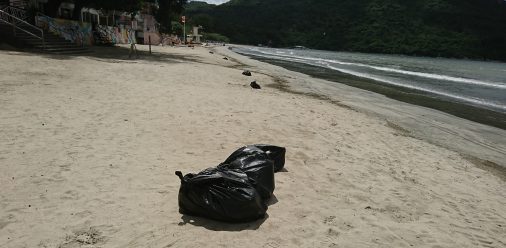
Pui O Beach, Tuesday morning
On Lamma Island, which has been most heavily contaminated by the spill, the clean-up continued today at Nga Kau Wan Beach. Local resident and coastal cleanup activist Robert Lockyer said he estimated only about 10% of the material had been collected yesterday.
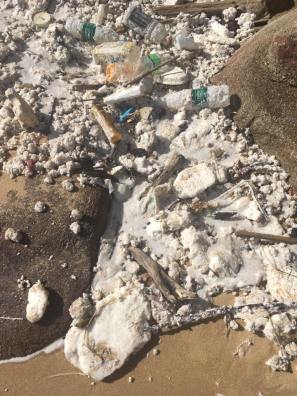

Congealed palm oil washed up on Yung Shue Wan, Lamma Island (Source: Robert Lockyer)
Two more Hong Kong beaches were closed this morning as a result of the spill, with Ken Ching, director of the Eco-Education and Resources Centre, warning that while the larger chunks had mostly been removed, he expects the situation to get worse next week.
Ching said that the water current will weaken by then, so a lot of the oil pieces will be trapped in coastal areas of the city.
He urged the government to increase the pace of its clean-up operation, adding that it would be helpful to know how much oil was spilled .
Dog owners also have been urged to keep their pets away from the affected beaches.
Lamma resident Sheila McClelland, a founder of the Lifelong Animal Protection Charity, says dogs could either choke or fall ill from ingesting the chunks of oil, SCMP.com reports . “Dogs love to eat fatty things. This can cause pancreatitis, a seriously life-threatening disease,” she said.

A dog roots among the oil residue on Yung Shue Wan Beach, Lamma (Source: Robert Lockyer)
Meanwhile, District Councillor Paul Zimmerman has asked Chief Secretary Matthew Cheung why it took “several days” and a series of media inquiries for the government to inform the Hong Kong public.
In an open letter he asks when the government learned of the spill, what action it took and who will foot the bill for the cleanup. He also seeks details of the accident, the names of the vessels involved and the nature of their cargo.
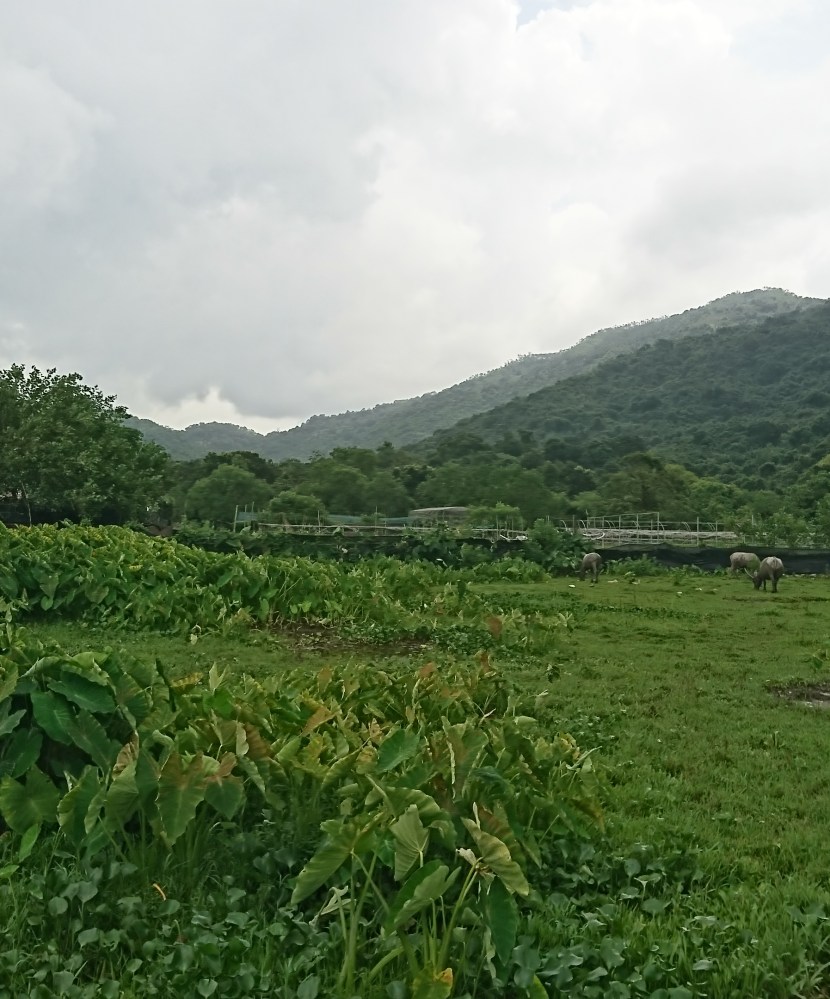
Pui O wetlands now facing caravan park threat
A caravan park is the latest threat to Pui O’s shrinking wetland.
A local landowner has applied to build a “temporary” caravan and camping ground and “ancillary hobby farm” on a number of allotments south of South Lantau Rd behind the Garden Plus store.
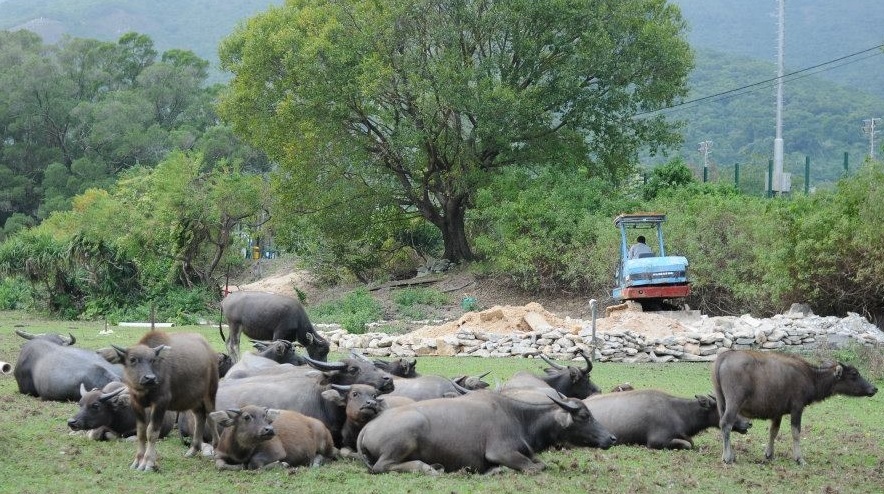
Much of the area covered by the application is currently open wetland and buffalo habitat.
It is a designated Coastal Protection Area (CPA), but Edward Yiu, Legco member for the architectural sector, said he believed a loophole allowed the operation of caravan parks in CPA zones.

The proposed site
If approved, it would be one more blow to Pui O’s besieged wetland, which is steadily contracting as a result of dumping and creeping development.
It would also be South Lantau’s third on-site caravan park. A dozen vans have been available for hire on CPA-zoned land at Tong Fuk since 2013. A second one opened at Cheung Sha last year, though it did not apply for TPB approval until February.
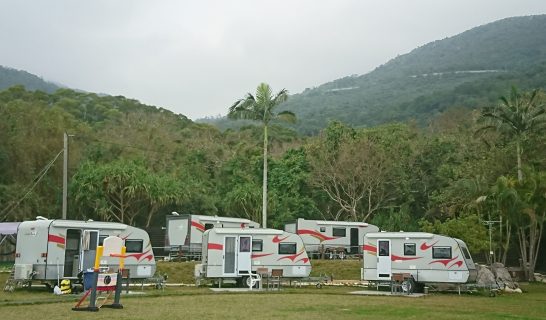
Welcome Beach caravan park, Cheung Sha
The latest application was lodged with the Town Planning Board on May 16. Just two weeks later the government released its Lantau blueprint that stressed “conservation of Pui O wetland” as one of its prime conservation objectives. But the report went no further than saying steps to conserve the ecologically sensitive site “are being explored.”
The area under application takes an unusual shape for a caravan park, with two sections in the middle of the site excised. Three smaller sections beyond the main boundary are included, possibly for the hobby farm.
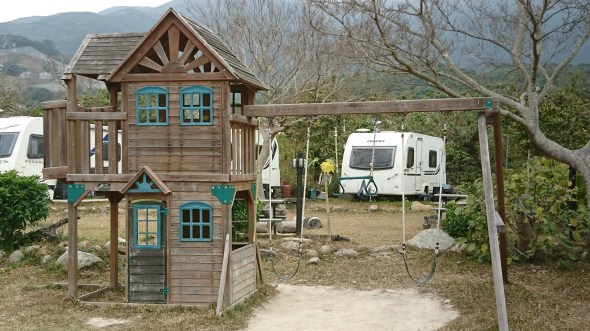
Tong Fuk Caravans
The Pui O wetland, a marshy territory of around a dozen hectares between South Lantau Road and the coast, is not a natural wetland but is abandoned and previously heavily polluted agricultural land that has been regenerated by the presence of buffalo. The combination of buffalo waste and the churning of the soil by their hooves in the past 20 years has brought the wetland to life and created Lantau’s iconic tourist attraction.
Despite the name, the CPA does not provide any protection. It has no enforcement mechanism. As a result, the buffalo habitat has been incrementally shrinking every year. Local environmentalists and senior officials agree that the most likely solution is for the government to bring the wetlands under protection by doing a land swap. They see the land swap at Sha Lo Tung, aimed at protecting its diverse dragonfly species, as a significant precedent. It is the first of its kind for conservation purposes in Hong Kong.
Under Hong Kong’s kafkaesque planning laws, only land designated for development can be protected by the Environment Protection Department (EPD).
The EPD cannot prevent dumping on privately-owned wetland but in an equally surreal twist it has the power to approve dumping. A judicial review is now before the courts challenging the EPD’s director’s green-lighting of dumping on Pui O wetlands.
The case has been heard by Justice Au but the ruling is not expected to be handed down for several months.
Photo (top): Proposed caravan site, Pui O
NOTE: This story has been updated to include the announcement of the Sha Lo Tung land swap.
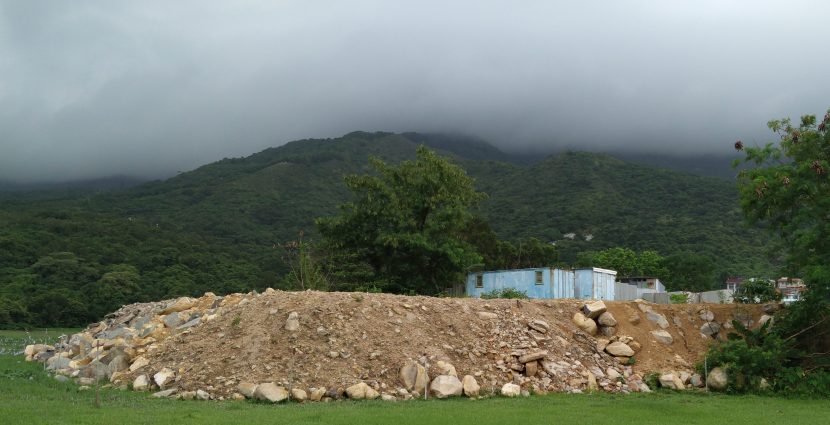
Govt clips Pui O coastal conservation zone for sewage plant
The Town Planning Board has rezoned a slice of Pui O’s Coastal Protection Area (CPA) for a planned sewage treatment facility.
The board announced today it intends to rezone an area “south of South Lantau Road” for the planned treatment works. It does not specify the exact size or location of the rezoned slice of land.
Under the zoning plan approved in September 2014, 162.5 hectares of South Lantau land are designated as CPA, primarily in a strip between Pui O and Shui Hau.
The CPA is intended to protect areas of conservation or ecological importance in Hong Kong coastal zones. However, the controversy over dumping on designated CPA land in Pui O – now subject to a judicial review – has underscored the weakness of the current CPA regime.
Members of the public can make submissions to the TPB over the rezoning. They can view the draft plan between now and August 2 at the Islands District Office in Mui Wo, the South Lantao Rural Committee in Pui O and the Islands District Office, 20F, Harbour Building, Central.
The current Outline Zoning Plan (OZP) can be viewed at the TPB website.
Photo: Dumping in Pui O wetland (file photo)
Truck owner fined $6000 over Pui O waste dumping
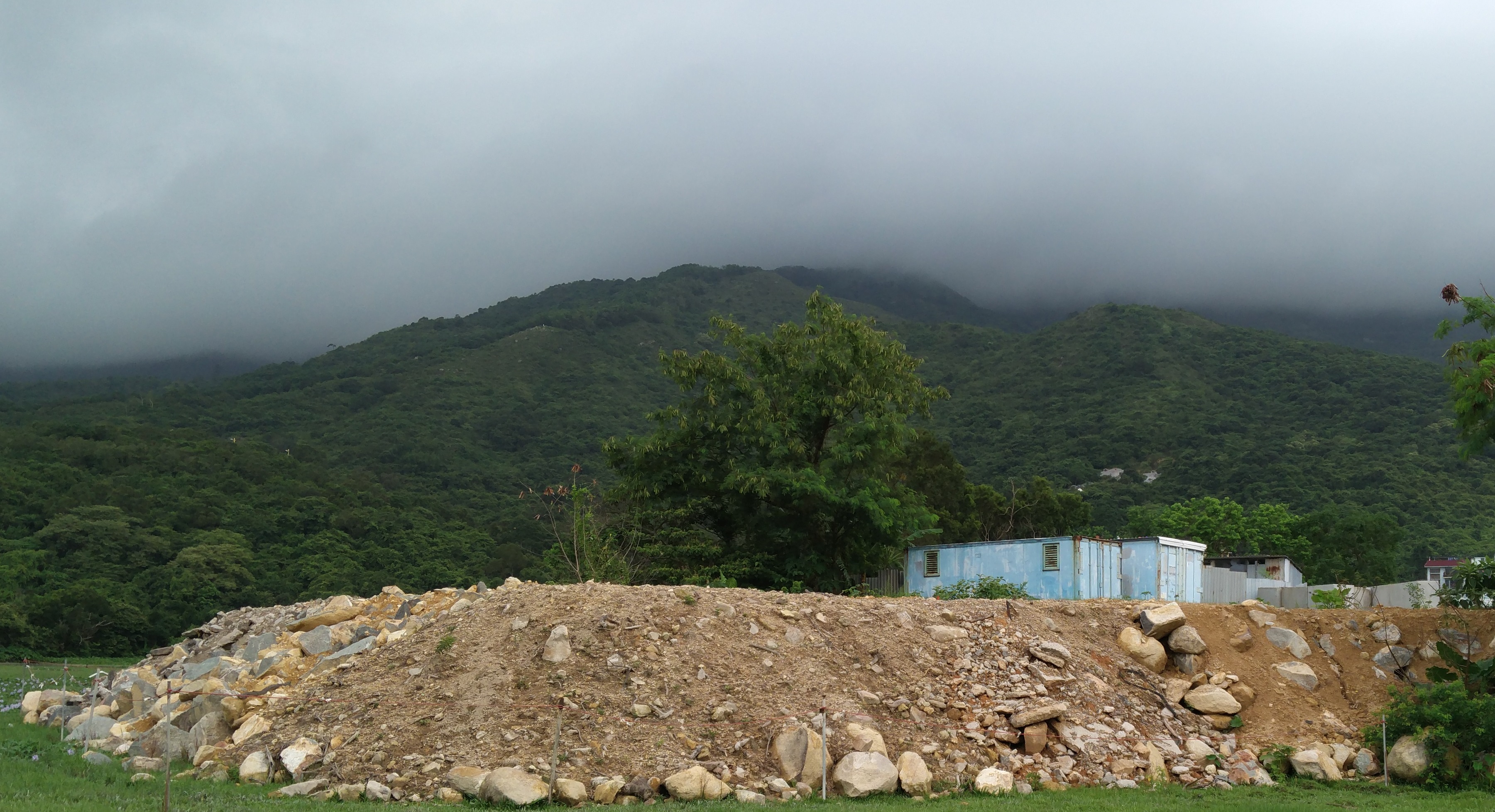
Pui O (file photo)
In yet another failed attempt to protect Hong Kong’s environmental assets, a truck owner has been fined just HK$6000 over the dumping of waste in Pui O.
The owner, who has not been identified, was convicted over not revealing the name of the driver.
Under the Waste Disposal Ordinance, the offence of not providing information without reasonable cause carries a penalty of up to HK$100,000 – 15 times the fine levied by the Eastern Magistrates Court on Monday. Continue reading
Wetlands dumping not a problem: AFCD official
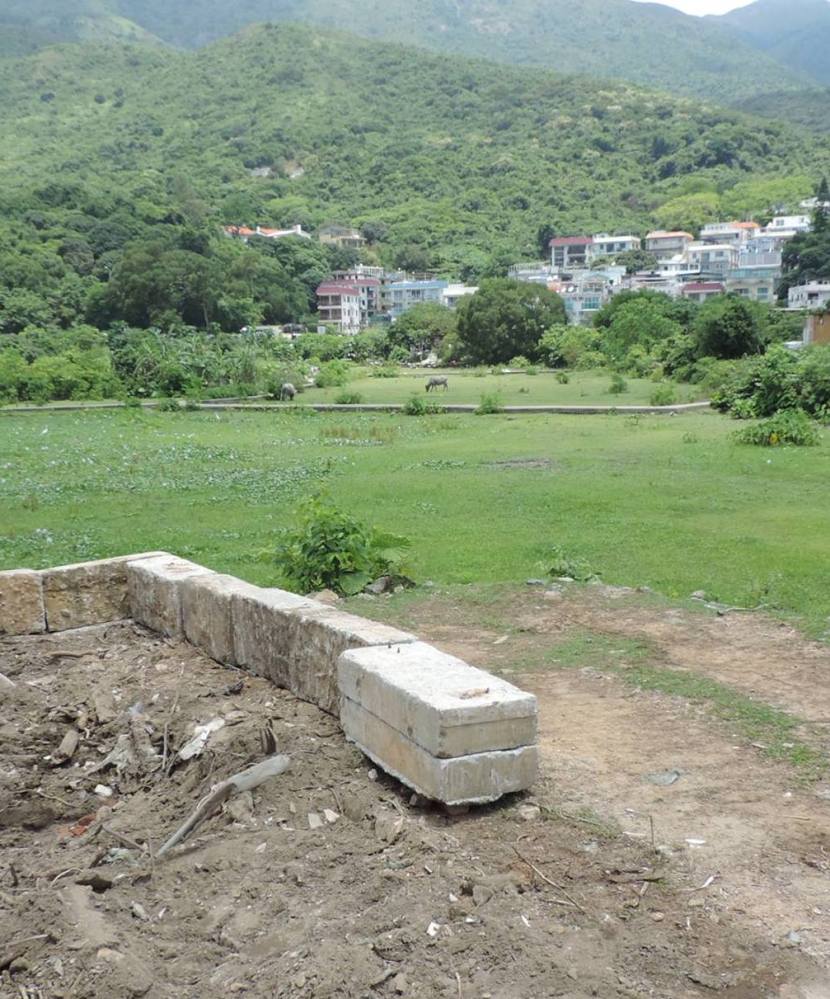
An AFCD official has claimed that rubbish dumping on Pui O wetland is not “significant” because it covers a small area.
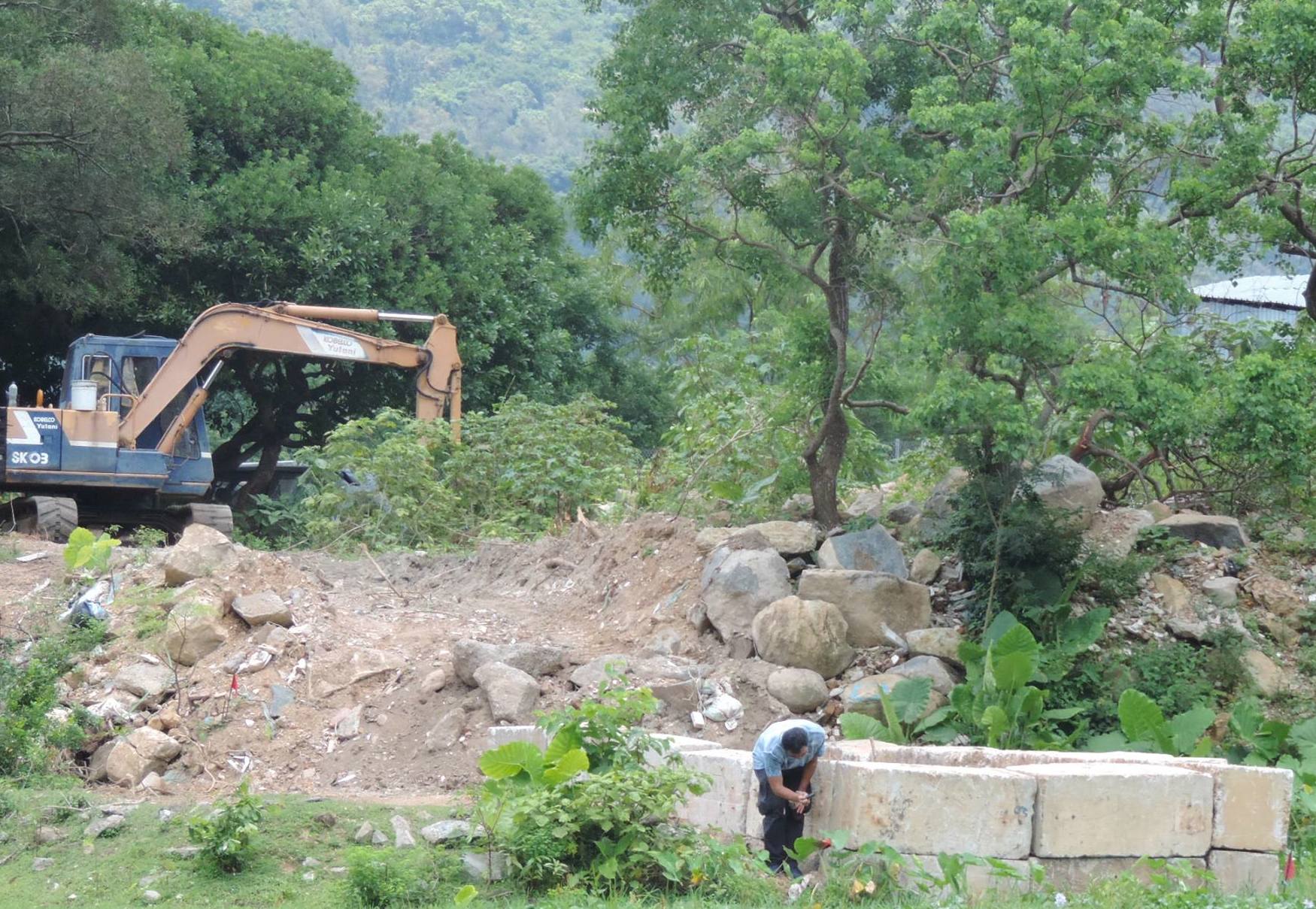
Source: LBA
In an email exchange with local community members over yet another incident of dumping in Pui O, an official said:
While the dumping activity has affected about 120 m.sq. of abandoned agricultural field, it is considered that the potential ecological impact to Pui O area as a whole is unlikely to be significant in view of the relatively small size of the area affected.
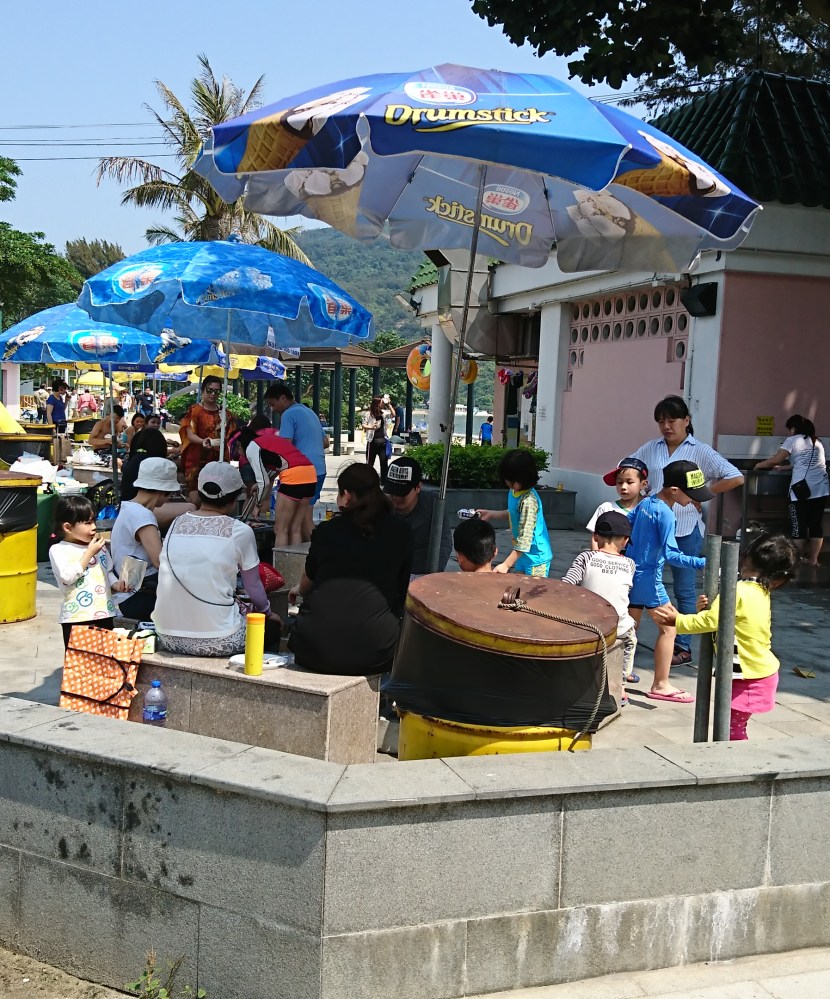
‘5 star’ camping at Pui O
The Pui O beach camping ground is still being used as a cheap hotel for mainland visitors, a Ming Pao report reveals.
The normally-tranquil seaside campsite was the scene of a minor riot during October ‘Golden Week’ three years ago after being overwhelmed by mainlanders seeking low-cost accommodation. The site had been promoted on mainland travel forums as a free hotel.
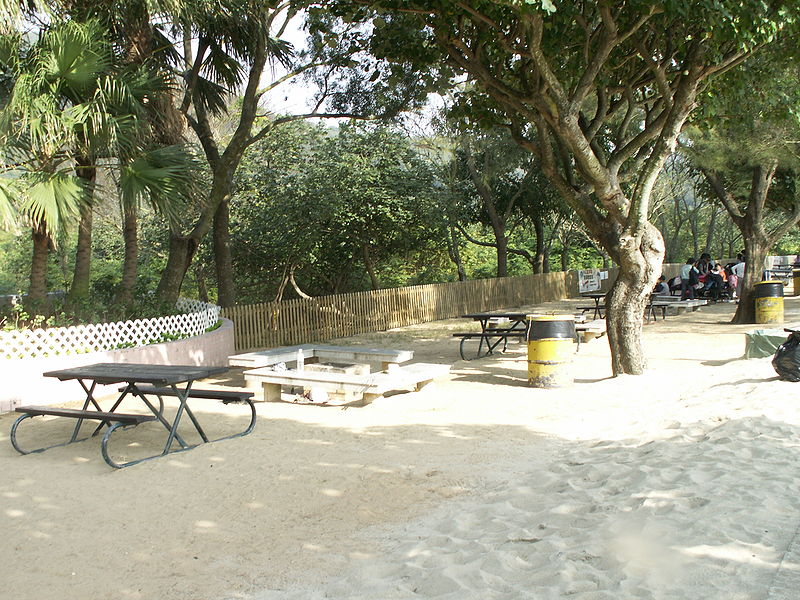
Pui O BBQ area
The Leisure and Cultural Services Dept has since put down rules giving Hong Kongers priority in camping areas during key period such as Chinese New Year and the October holiday. But a Ming Pao reporter on the trail over the Christmas holiday period found obvious examples of abuse. Continue reading
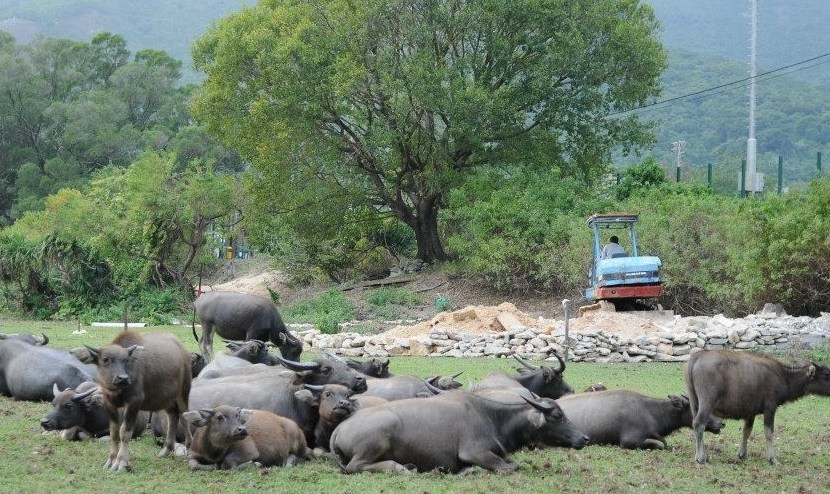
Trashing the wetlands, with a little help from the EPD
The Environmental Protection Dept has taken time out from authoring the destruction of Shek Kwu Chau to trashing the Pui O wetlands.
The EPD has given the go-ahead for a series of construction waste dumpings on the wetlands. Local residents have logged eight incidents of dumping in recent weeks. Like this one.
 Lantau Confidential