Hackers attack HK-Macau bridge project

In yet another failure at the HK$90 billion HK-Macau bridge project, it’s been revealed hackers attacked a server used by one of the contractors and locked up key files with ransomware.

Some of the files were destroyed in the attack, which took place at the site office of consultant engineers Arup Group in early March. The Arup team was working on the final bridge link to Scenic Hill on the south-east end of Chek Lap Kok island.

Staff discovered many files on the server could not be opened and received a ransom demand from hackers in order to open the files. The server had a large number of project-related material, including progress reports and blueprints that if stolen or destroyed could harm the progress of the project, Oriental Daily reported today.

The company feared that personal information belonging to a thousand employees who had worked on the project over the past five years, including their IDs and bank account details, had been compromised in the attack.

But the Highways Dept, which acknowledged the incident took place on March 2, said staff personal information had not been stored on the server.

After calling in police, the company was able to unlock a number of the ransomed files.  A Highways Dept spokesperson confirmed that a number of files had been destroyed, but said no data had been leaked in the attack.

The department was unable to say how much the attack had cost the project. It said the hack did not hinder progress of the bridge construction, which was still on course to open by the end of the year.

The computer breach is the latest in a series of incidents that have plagued the seven-year-old project, that include delays, cost overruns, the deaths of nine workers and hundreds of injuries.

Carrie Lam makes flying visit to Tai O

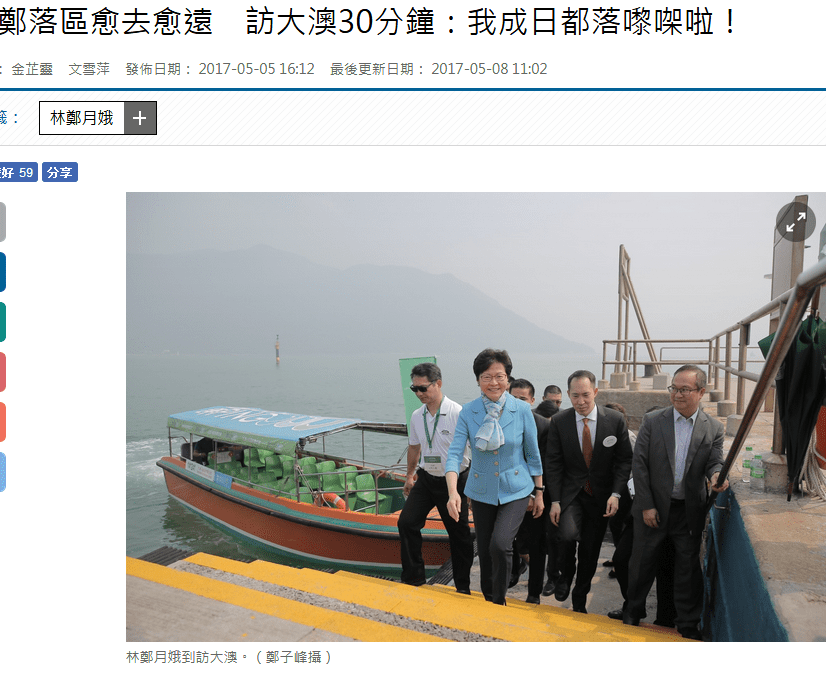
Chief executive-elect Carrie Lam made a lightning visit to Tai O on Friday, one of a number of locations she has dropped in on since winning the CE poll in March.

She spent an hour in the town late Friday afternoon, taking part in the fifth anniversary ceremony for the Tai O Heritage Hotel and then strolling around the town with Tai O rural committee chief Lou Cheuk-wing, HK01.com reported.

She shook hands with a salted fish store owner and met people at the Tai O Community Hall.  Lam reportedly agreed to look into upgrading the paths between the village’s distinctive stilt homes, which Lou said were being worn out from the increasing number of tourists.

Apart from Tai O, Lam has also visited Sha Tin, Tsuen Wan, Kwun Tung, Hung Hom and Central.

All the fun of the wellness fair

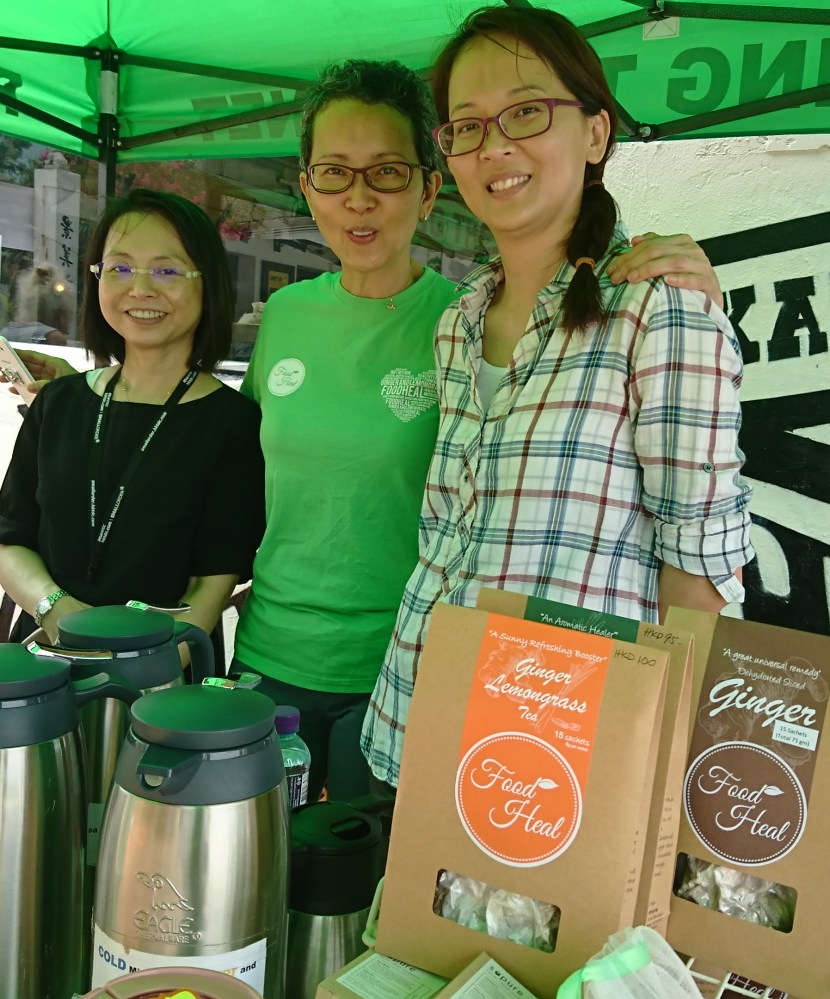
Around 200 people descended on Mavericks in Pui O yesterday for the first Lantau Health & Wellness Expo.

The Lantau Singers sang, Gavin Coates read stories, Ark Eden’s Jenny Quinton spoke about a green envisioning and environmentally-friendly items changed hands while Billy looked on.

Gallery: click on any photo


Road wars: Lantau closed road must go, says Randy Yu

Lantau’s road wars continue. District council member Randy Yu has attacked the closed road, describing as out of date and “highly unreasonable.”

In the latest volley in a continuing battle over the island’s roads, Yu has called on the Transport Dept to cancel the fee charged for the annual permit.

Yu, the South Lantau representative and vice chairman of the Islands District Council, told the council’s transport committee that despite the growing number of visitors, Lantau is stuck with a road network built more than half a century ago.

“The closed road is out of date, but still exists,” he said.  “The operation of the existing Lantau Closed Road Permit system is highly unreasonable.”

Additionally, the imposition of the annual permit fee of $660 is cumbersome and excessive and denies residents’ relatives and friends “the right to drive” to Lantau to visit, he said.

His remarks at the transport committee’s March meeting follow a similar call by Tai O rural committee chairman Lou Cheuk-wing in February.

Yu complained that the rural committee leaders and Legco members had proposed on numerous occasions the expansion of the existing road network, but the government had refused to build it. Environmentalists and many local residents are also opposed to the expansion.

Lantau’s rural committees want to create a round-island road network, upgrading South Lantau Road to standard grade and adding a coastal connection from Tung Chung to Tai O and a north-south link from Tung Chung to Mui Wo.

The Transport Dept and, more recently, the LanDAC committee, which was set up to plan Lantau’s future, have rejected both roads on cost and environmental grounds.

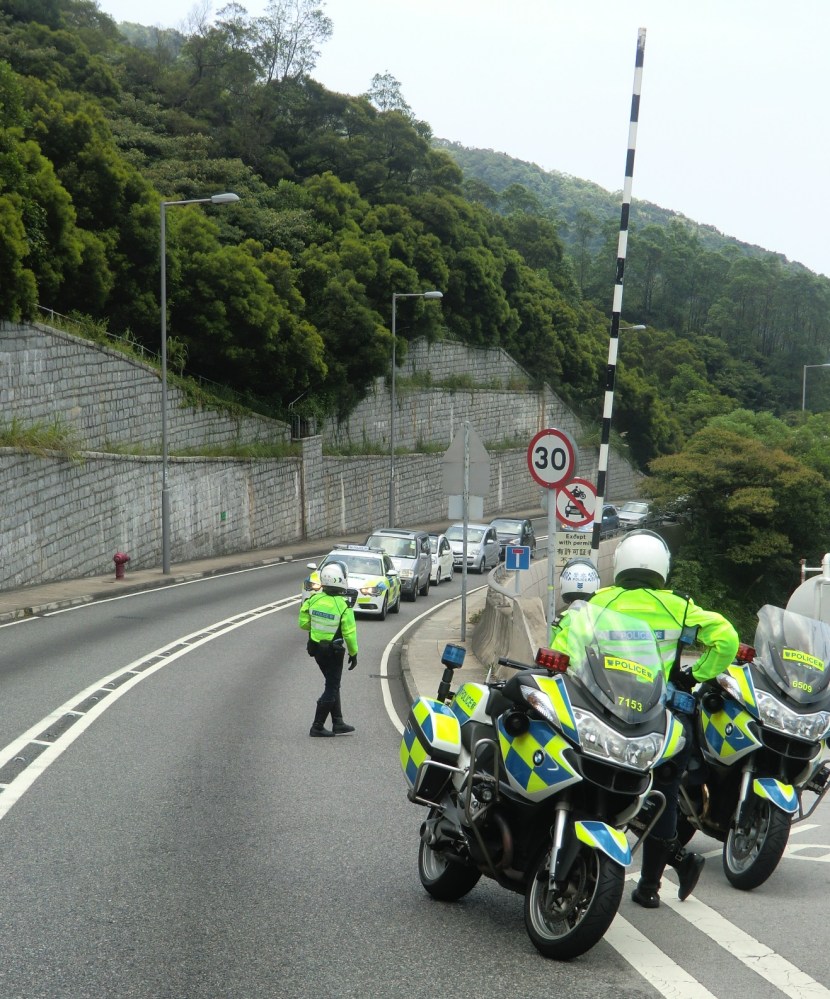
In January last year the Transport Dept lifted the ban on non-local vehicles, allowing up to 25 cars and 40 tourist coaches a day to visit the island. Police reported that in the first six months following the change, traffic offences soared 150%.

(Photo: Lantau drivers protest against the lifting of closed road restrictions in July 2015.) 

Are we paying too much for the vet?

Hong Kong pet owners are at cats and dogs over the cost of vets.

A study released by the Veterinary Services Board this week finds that 47.5% believe fees are unreasonable, while 45.2% are quite comfortable with them.

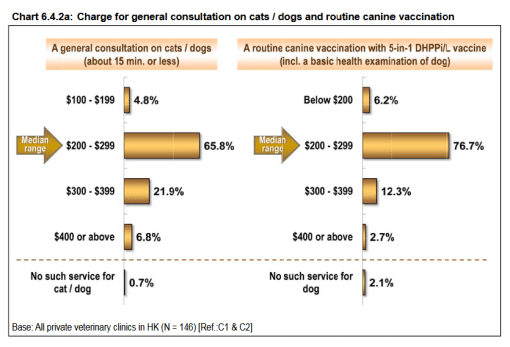
The biggest beef is the cost of consultation: in two-thirds of clinics, a general consultation with a dog or cat costs $200-299. Of those who had taken their pet to the vet in the past 12 months, the median expenditure was $2,000.

Overall, however, 62% say they’re satisfied with the value received and 77% are happy with surgeons’ professional knowledge.

Despite the discontent over prices, the Hong Kong vet market is over-supplied.  We have one of the world’s lowest vet-to-pet ratios and it may be about to get worse.

In 2010 the city had one vet for every 735 pets, compared to 1:2543 for Singapore and 1:3072 for the US.  The number of vets working here has doubled in the past 10 years and is forecast to grow by another 20% in the next three years, the report says.

Fees for service

We may also see an influx of graduate vets returning from abroad. Approximately 240 Hong Kong students are studying veterinary science in foreign universities, 59% of whom say they are likely to return to Hong Kong.

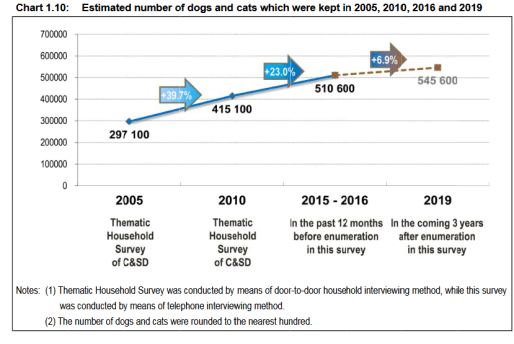
At the same time, Hong Kong’s love affair with cats and dogs is cooling. The number of pet dogs and cats increased by 71% from 2005-15, but will grow just 7% over the next three years, the study found.

The report estimates that 14.8% of Hong Kong households have a pet, and just under 11% of households keep a cat and/or dog (by comparison around half of all UK households have a pet cat or dog.)

Cats and dogs

The study doesn’t reference Lantau specifically but this area is part of the biggest pet-loving region of the city. NT West, which includes the outlying islands as well as Tuen Mun and Tsuen Wan, accounts for 38.3% of all pets. The region also has the largest number of vet clinics, representing 39 of the city’s 146 total.

Lantau has five vet clinics. South Lantau, with two vet centres serving approximately 10,000 people, has as many as Tung Chung, with several times the population. Discovery Bay has a single clinic.

According to the study, the biggest problem for the clinics is high rents (81%), followed by the level of competition (36%) and the lack of qualified support staff (34%). A third also cited ‘difficult customers’ as one of their biggest issues.

The full report is available here.

$10,000 reward: Race against time to find stolen baby owls

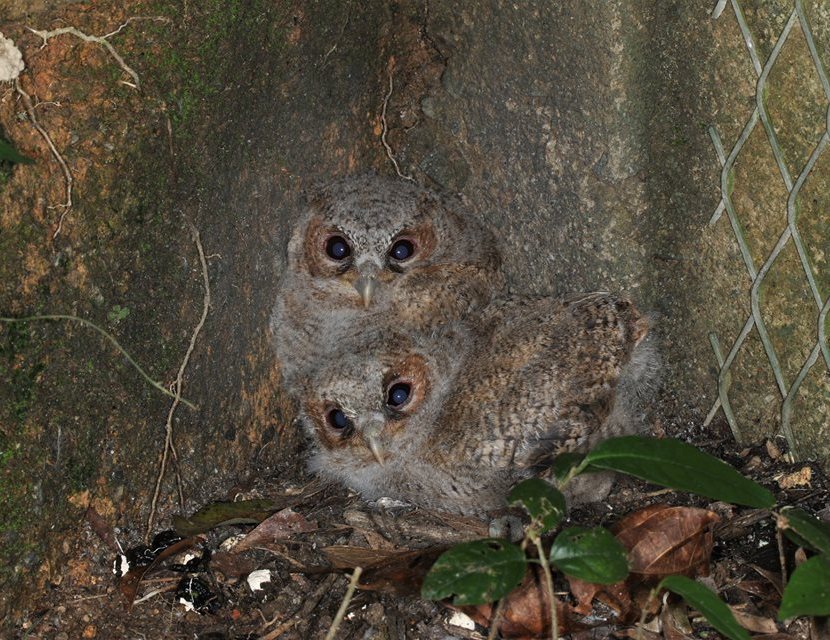
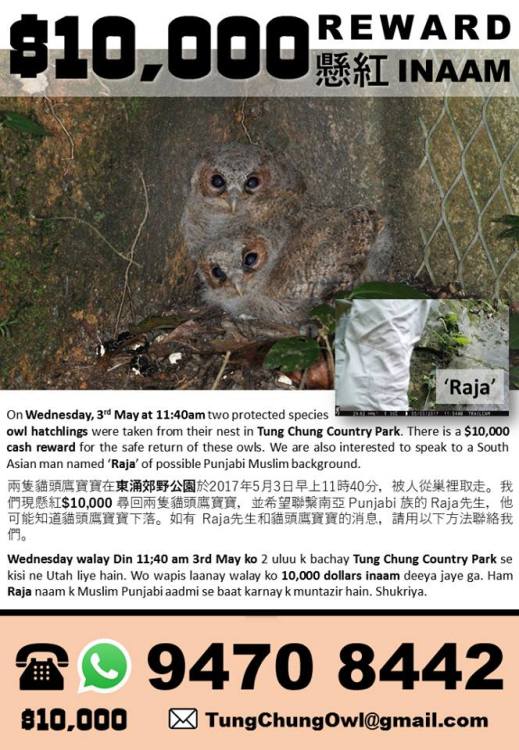
Local resident William Sargent is offering HK$10,000 reward for the urgent return of two baby owls stolen from the Tung Chung Country Park yesterday.

The young owls are unlikely to survive without their parents.

Better-known as Lantau’s ‘snake man’, Sargent has posted an audio feed that partially captures the theft.

Sargent says the person is likely to be of Pakistani Muslim/Punjabi background. He used the name (a common name) ‘Raja’ referring to himself.

He may be based in Tung Chung and if we can spread the word to this community, we may have the luck we need to find him and more importantly, the baby Owls which are very unlikely to survive without their parents. The police are aware of this case, but have indicated what we are doing now will be the best chance of success.


Source: William Sargent

The owls were taken in the general location of the petrol station on the Tung Chung Road.

Owls are a protected species in Hong Kong, with penalties of up to HK$5 million fine and two years jail for harming them.

Those with information can contact TungChungOwl@gmail.com or call 9470 8442.

Lantau’s haunted houses and why they matter

If you’ve wondered where people have died suddenly on Lantau, wonder no more.

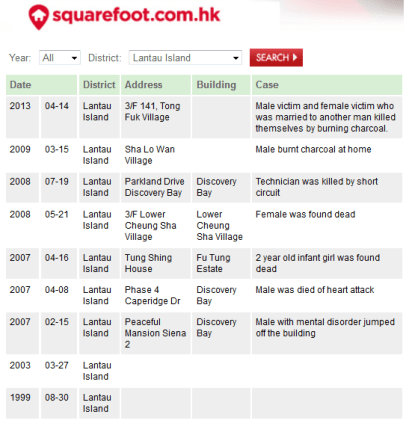
Real estate website Squarefoot hosts a ‘Haunted House Database’ that lists the homes where Hong Kong people have died by unnatural causes.

For Lantau, it records 23 deaths in Tung Chung since 2007 and eight in South Lantau* and Discovery Bay since 1999. It separately lists nine events in Mui Wo since 1999, though offers detail on only one of them.

Its brisk descriptions of past residents’ varied and untimely ends make for sombre reading,

But the database serves a practical purpose. As the website says, “one of the worst things that could happen” to a Hong Kong homebuyer is to buy a haunted apartment.

Chinese have strong sensitivities over death and sudden death in particular. Squarefoot blogger Juston Li points out that “hardly any local will move into a place where misfortunate [sic] has previously occurred — or to put it another way, a haunted house.”

Sudden deaths in Lantau     Source: Squarefoot.com.hk

Hong Kong has no legal definition of ‘haunted house,’ he writes.

“But most will see it as a residential unit where any events such as murders, suicides and accidental deaths have previously occurred. In some cases, adjoining units are seen as haunted too.

”Even up to now, Chinese tradition and culture is deeply rooted in our society. For example, “Worshipping the Corners” is still a common ritual before moving in. When it comes to haunted property, many see it bringing bad luck to occupiers. As a result, most haunted flats offer lower prices compared to nearby units.”

Those places identified as ‘haunted’ traditionally command a lower valuation, a smaller mortgage loan and lower resale price.

Li cites the case of a flat in Kornhill, Quarry Bay, which sold at 15% below market value in 2013 because of a gruesome murder: a man had been killed and cooked by his wife in a neighbouring apartment – in 1988.

Yet thanks to soaring home prices, attitudes are changing slightly. Some buyers are on the lookout for ‘haunted homes’ because of the lower prices.  Certain buyers such as expats are less concerned about past events. But Li warns that even so, buyers need to be aware of the likely lower mortgages available from banks.

Squarefoot urges all would-be home buyers to be learn whether their home is ‘haunted’. Besides using the database, buyers can do a Google search, check with the agent and the bank or even seek a written guarantee from the owner.

Hermia Chan, senior PR and marketing manager for Squarefoot, said:  “Buyers expect a certain level of discount for a haunted house. One of the reasons is that it will lower the chances of you obtaining a mortgage.”  She says Squarefoot created the database information from media reports.

Squarefoot’s owner, iProperty, also publishes real estate sites in Singapore, Malaysia and Australia, but Hong Kong is the only one to list haunted houses.

* Yes, sharp-eyed readers – one of the ‘South Lantau’ incidents was in Fu Tung, Tung Chung.

[UPDATE: Corrected on May 4 to clarify that the haunted house database has been created from news reports, not from information supplied by realtors.]

Hiking Lantau south to north

The hike: Mui Wo to Tai Ho Wan and Tung Chung.

Distance: 10 km   Time: Approx 2.5 hours

A comfortable stroll into the past and future of Lantau.

This walk crosses from Mui Wo on Lantau’s south coast to Pak Mong and Tai Ho Wan on the north. A well-trodden path between villages that have historically been very close, it finishes in the shadow of the Lantau Link and the freeway to Tuen Mun, still under construction.

It’s not a demanding walk, with only a short period of uphill walking, and conveniently finishes in Tung Chung.

The journey

Exit Mui Wo Pier and head right on the footpath past the bike racks and the drab cooked food market beside one of Hong Kong’s most beautiful bays.

Track ahead on the newly-completed, tree-free walkway and turn right at the Five-Cent Bridge. You will soon reach Silvermine Bay Hotel. In the post-war era and up until the 80s this was the site of Chung Hau St, the bustling hub of daily Mui Wo life in what was then a settlement of 20,000. Because of the decline in agriculture and fishing and the emergence of Tung Chung, Mui Wo has hollowed out, with a population today of around 5,000.

Passing the hotel, follow the path around to the left and then take the right at the public toilet at the junction (remember these paths carry a regular stream of bicycle traffic; be sure to walk in single file).
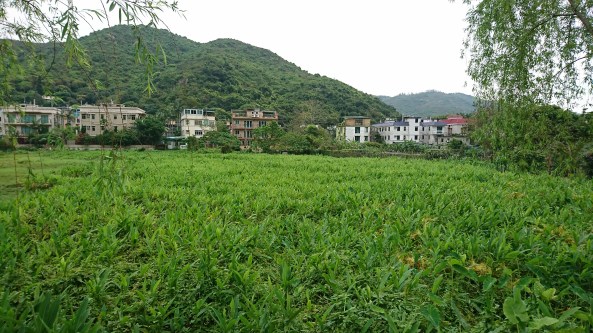
Mui Wo was and still is a series of discrete villages. You are now leaving the old village of Chung Hau with a stream on your right-hand side and the village Wang Tong ahead of you.  After a couple of minutes you will come to a junction. Take the left-hand fork toward Pak Ngan Heung and Silvermine Cave.

You are passing through Mui Wo’s rear garden, with a number of pretty gardens and small farm lots. It’s also occasionally wet and marshy, so you may meet the odd buffalo and egret.

After another 10 minutes you will meet the Olympic Trail. It has little to do with the Olympics, other than being built to celebrate the Beijing Games, and it encompasses the path from here to Tai Ho Wan (sometimes the entire route from Mui Wo to Pak Mong is dubbed the Olympic Trail). You’ll need to take a sharp right.

But before you do, take stock of the local attractions. On your right is the fine Yick Yuen mansion, once the home of a wealthy rice merchant. You can’t enter but even from the outside the 7.2ha estate is impressive.
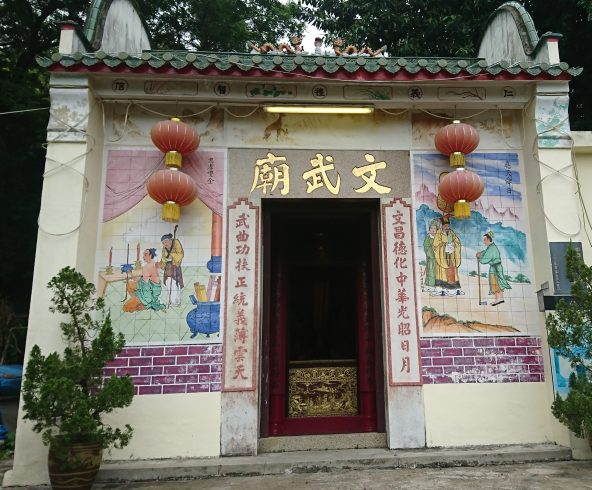
Straight ahead is the village of Pak Ngan Heung. Stepping through the arch you will find a Man Mo Temple. Yes, of the same family as the famous Sheung Wan temple, offering worship to the gods of literature (man) and the military (mo). It is notable for having been in existence since Ming times. This is not quite the original object, having been rebuilt in 1901 and 1960 and refurbished in 2001, but impressive nonetheless for its 400-year history.

Head back to the Olympic trail and you will shortly encounter the popular Silvermine Waterfall. It’s a picturesque spot and spectacular in the rainy season.

Next is a short steep climb to the Silvermine Cave. It’s less a cave than the sealed entrance to the old silver mine. Not much to see here. Despite its legacy in local place names, it appears to have only lasted a decade or so.  It’s not even clear when that was. The AFCD sign here says it opened in 1910, but a local researcher has put that date at 1886 . There is no dispute, however, that colourful entrepreneur Ho Amei was the founder.

Now comes the climbing section of the walk. The reward for the effort is that the hike up the steps reveals fine views of Silvermine Bay and, on a clear day, across to Hei Ling Chau and Hong Kong Island.

After about 30 minutes from the cave you will reach the crest. Much to the amusement of other hikers, the summit market has been labelled D7 689 – uncomplimentary nicknames for Hong Kong’s current leader and leader-to-be.

From here it’s downhill all the way to Pak Mong, mostly on well-made steps.

If you’re up for a more challenging walk, you will reach the turn-off for Lo Fu Tau about ten minutes down the path. That’s a 3.4 km loop with fine mountaintop views that gets close to Discovery Bay and takes a bit over an hour.

The next rest stop as you descend is a small green-roofed pavilion offering views of Tai Ho Wan and the freeway flyover emerging out of Tung Chung Bay.

Not far past that you will reach Ngau Kwo Long. Residents here and in the neighbouring villages are in a long-running battle with government planners and ‘fake environmentalists’ and on occasion have closed the path in protest. They’ve hung banners in English and Chinese to explain why.
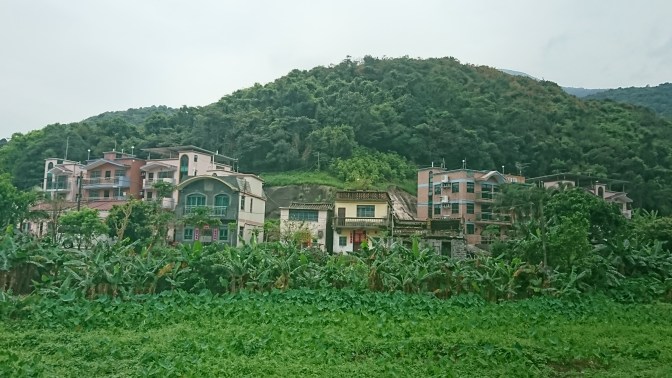
Shortly past Ngau Long Wan the path swings left and turns into a vehicle access road. You get a good view of the village from the road, set between the green rice fields and the mountains.

If it’s a weekend or public holiday you will meet a lot of foot and bike traffic coming from the other direction – mostly Tung Chung people.

Not far along the road brings is Pak Mong. The first thing you notice is the freeway flyover is just a few hundred metres away, towering over the village fields.
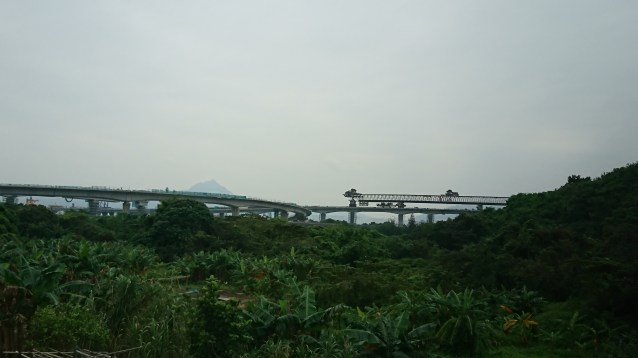
The village boasts an impressive-looking guard tower, but which was only built in 1939. The ‘sword stone’ next to it is of interest perhaps only to wonder why it should be of interest.

Finally, we reach Tai Ho Wan, the mouth of the Tai Ho Stream river which exits here into Tung Chung Bay. Hard as it is to believe, this inlet in the shadow of a flyover is a Site of Special Scientific Interest (SSSI). Greenpower describes Tai Ho Stream as Hong Kong’s “best” freshwater stream “accounting for about 29% of all Hong Kong’s freshwater fish, and the highest diversity of freshwater fish” in the city.

This SSSI, incidentally, is one of those issues that antagonise the local villagers. They will be comforted to know that its future is in doubt. Tung Chung Bay is earmarked for serious reclamation with the aim of building another 120,000 homes over the next decade or so. Environmentalists have pointed out that the reclamation runs to with 100m of the Tai Ho Wan outfall, limiting the ability of the fresh river water to circulate.
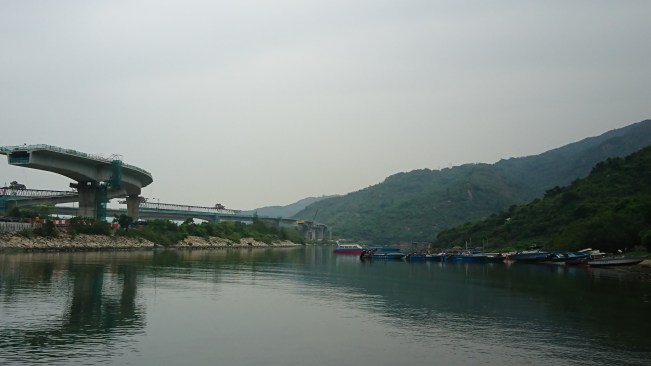
Of lesser importance: Tai Ho Wan marks the end of the Olympic Trail. Remain on the path as it skirts the little freshwater bay and take the underpass to the other side of the freeway. Take a walk to the edge of Pak Mong pier and watch Hong Kong’s newest piece of road infrastructure taking shape.

You can also savour the mere existence of the bay itself. At the other side 130ha has been swallowed up by the Hong Kong-Zhuhai-Macau bridge landing zone. If the government has its way, dredging for the housing development will start on this side later this year.

From this point take the bayside path that heads west directly to Tung Chung. Get onto Ying Hei Road and then turn left onto Man Tung Road at the intersection. It’s about one kilometre to the Citigate entrance on the left. You can find the MTR at the far end of the mall.

Getting there

Starting from Mui Wo

Take the Mui Wo ferry from pier 6 at the Outlying Islands terminal. Note the fast ferry takes approximately 30 minutes; the slow ferry 50 minutes.

Starting from Tung Chung

Take the MTR Tung Chung Line to Tung Chung. Take escalator to the Citigate Mall 2F and walk to Novotel end of the mall. Exit onto Man Tung Rd and turn right.

Healthy green living on show at Lantau Health & Wellness Expo

Healthy living, creativity and the environment will be on the agenda at Lantau’s first health and wellness event at Mavericks next Saturday.

Organisers expect 30 or so stallholders and health and fitness practitioners to take part, along with artists, storytellers and speakers. The event is a fundraiser for local animal rescue group PALS.

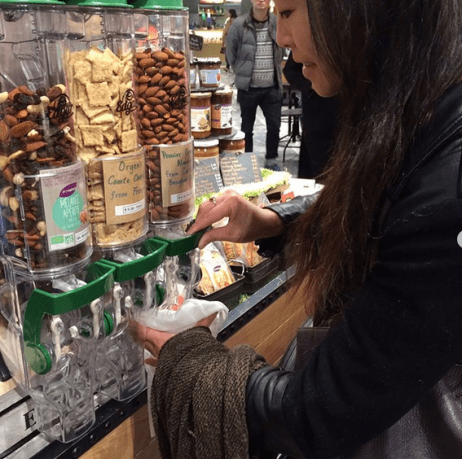
Taking the challenge: Hannah Chung

One of the highlights will be Hong Kong woman Hannah Chung sharing the experiences of her “zero-waste challenge” – her quest to remove packaging and other waste from her life. Environmental groups Sea Shepherd, Plastic-free Seas and local group HerosToo will take part. Merrin Pearse, chair of Living Islands Movement, will speak on the topic of ‘Small Actions Can Make a Difference.’

“There will be kids yoga with Pause, story telling with local author Gavin Coates, who will be reading from his own kids book based on the environment, workshops where kids will learn how to grow your own plants, a Discovery Dome, art with Talika and face painting with Sandra,” said Caroline Cadoret, one of the organisers. ”

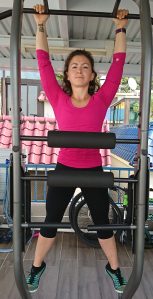
Personal training: Hannah Kremer

Local farmers will sell fresh produce. Also on sale will be natural products including soaps, beeswax, food wraps, plastic-free items, outdoor gear and food from Mavericks.  Yoga and fitness trainers, growth coaches, and other experts will showcase their work.

“Our vision is to make this an annual event to bring the community together and educate, discover and experience the local expertise, passion and nurture that exists, but isn’t always seen,” Caroline said.

“We want to show people how they can get involved in protecting our environment and health through other avenues to the ones they already know.”

For more information, visit the Expo Facebook page.

More reclamation: Think tank calls for new island south of Cheung Chau

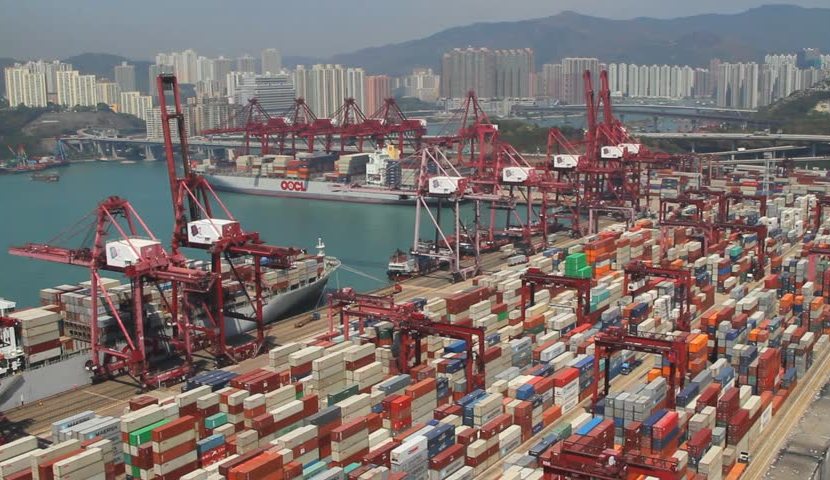
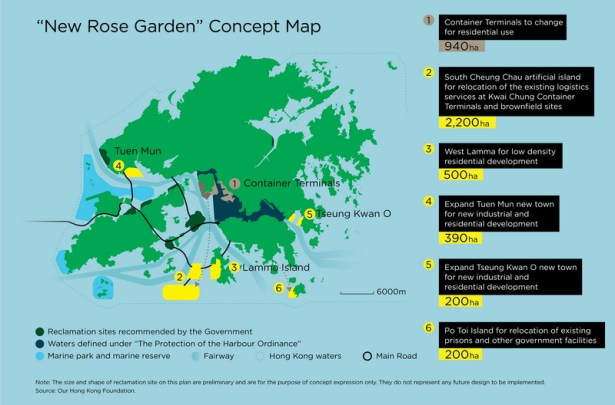
A think tank founded by Tung Chee Hwa has called for the construction of a 2200-hectare island south of Cheung Chau to house the city’s container port.

Our Hong Kong Foundation says this will free up the 940-hectare Kwai Chung port for housing. Deputy executive director Stephen Wong told RTHK the new site “hopefully has a lower environmental impact.”

The proposal, in a submission to the 2030+ plan, calls for reclamation on western Lamma and bridge links from the new port east to Hong Kong Island via Lamma and west to the proposed East Lantau Metropolis. The scale of the proposed artificial island terminal is on a scale similar to the ELM, which is suggested to be somewhere between 1000 and 2400 hectares.

Wong said the city’s medium and long term housing supply lags far behind target and required immediate large-scale land development.

OHKF also suggests reclamation around Po Toi island to hold the city’s prison facilities. Lantau hosts four prisons, and another two are located on Hei Ling Chau, with total capacity of 2900.

OHKF’s plan

The foundation says Hong Kong needs to carry out large scale reclamation to support different development projects, including the release of privately-owned land through a public-private cooperation model.

Said Wong:

“Instead of just thinking about having a low target of new supply of land in the New Territories – which we think should continue – but given the difficulties and given the size of the new towns, we should certainly think outside of the Victoria Harbour for large scale reclamation for predominantly subsidised housing”