
Category: Environment

Sustainable Lantau in name only, govt plans confirm
Plans for the new Sustainable Lantau Office (SLO) dispel any doubts about the role of conservation in Lantau development schemes.
It has no role at all.
The SLO, supposedly a multidisciplinary agency that will ‘balance’ development and conservation, will in fact be a unit within the Civil Engineering and Development Department (CEDD) dominated by engineers and planners.
The top three layers of management will all be engineers, planners or construction professionals. Of the top 16 posts, only one – four ranks down – will be a conservation specialist.
The Development Bureau set out the SLO’s priorities and staffing needs in a submission last month to the Legco establishment subcommittee, which deals with civil service appointments.
It sought permission to create four new senior positions at the top – three engineers and a planner – and to bring in 22 Civil Engineering and Development Department (CEDD) staff (the subcommittee endorsed the proposal except for one of the CEDD staff posts).
The paper repeats the environmental messages of earlier studies, including the main report, the Sustainable Lantau Blueprint:
..the planning vision is to balance and enhance development and conservation with a view to developing Lantau into a smart, low-carbon community for living, work, business, leisure and study.
When it gets into the specifics of its priorities, it lists out a more than a dozen development projects (see below), including the Tung Chung expansion, the artificial island for the HK-Macau bridge border crossing and the controversial HK$248 million feasibility study into the East Lantau Metropolis.
By contrast, it doesn’t have a single conservation project on its agenda. Instead, refers to initiatives “that are being explored.”
The SLO was originally called the Lantau Development Office, but changed its name following criticism from Legco members that it gave too little weight to the environment.
In reality it is a unit dedicated to outlying islands development with a token nod to conservation. The original title was at least accurate.
The SLO’s priorities, as set out by the Development Bureau:
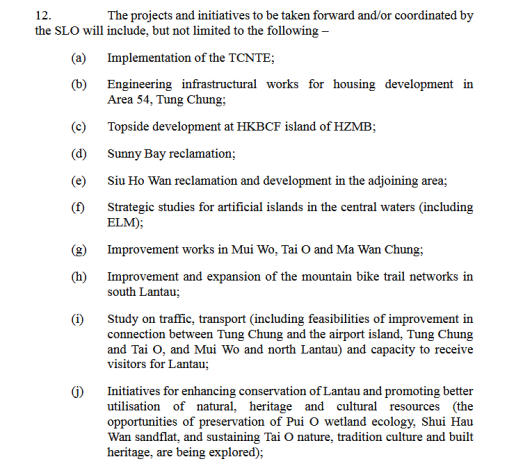
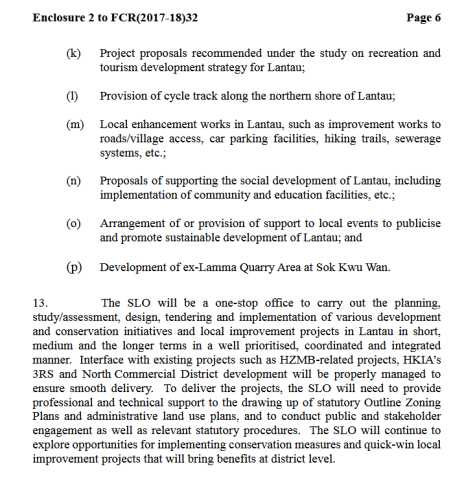
Photo (top): Kau Yi Chau island, core of the ELM

Demand for answers on oil spill as cleanup continues
Five days after the collision of cargo ships in the Pearl River that released 9000 tonnes of palm oil, Lantau beaches appear to be nearly free of oil chunks and residue.
However, 13 beaches across Hong Kong remain closed and the government has been called on to answer key questions about the spill.
On Lantau, the oily residue has mostly been removed from Lower Cheung Sha and Tong Fuk beaches. On Pui O, the worst-hit local beach, FEHD cleaning staff filled dozens of bags of oil chunks as they cleaned up this morning. Pui O, Upper Cheung Sha and Lower Cheung Sha beaches remain closed for bathing. Tong Fuk Beach is open.
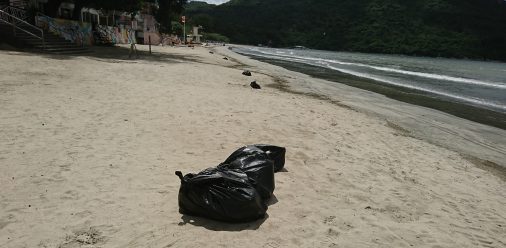
Pui O Beach, Tuesday morning
On Lamma Island, which has been most heavily contaminated by the spill, the clean-up continued today at Nga Kau Wan Beach. Local resident and coastal cleanup activist Robert Lockyer said he estimated only about 10% of the material had been collected yesterday.
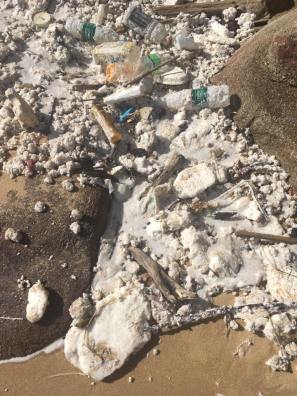

Congealed palm oil washed up on Yung Shue Wan, Lamma Island (Source: Robert Lockyer)
Two more Hong Kong beaches were closed this morning as a result of the spill, with Ken Ching, director of the Eco-Education and Resources Centre, warning that while the larger chunks had mostly been removed, he expects the situation to get worse next week.
Ching said that the water current will weaken by then, so a lot of the oil pieces will be trapped in coastal areas of the city.
He urged the government to increase the pace of its clean-up operation, adding that it would be helpful to know how much oil was spilled .
Dog owners also have been urged to keep their pets away from the affected beaches.
Lamma resident Sheila McClelland, a founder of the Lifelong Animal Protection Charity, says dogs could either choke or fall ill from ingesting the chunks of oil, SCMP.com reports . “Dogs love to eat fatty things. This can cause pancreatitis, a seriously life-threatening disease,” she said.

A dog roots among the oil residue on Yung Shue Wan Beach, Lamma (Source: Robert Lockyer)
Meanwhile, District Councillor Paul Zimmerman has asked Chief Secretary Matthew Cheung why it took “several days” and a series of media inquiries for the government to inform the Hong Kong public.
In an open letter he asks when the government learned of the spill, what action it took and who will foot the bill for the cleanup. He also seeks details of the accident, the names of the vessels involved and the nature of their cargo.
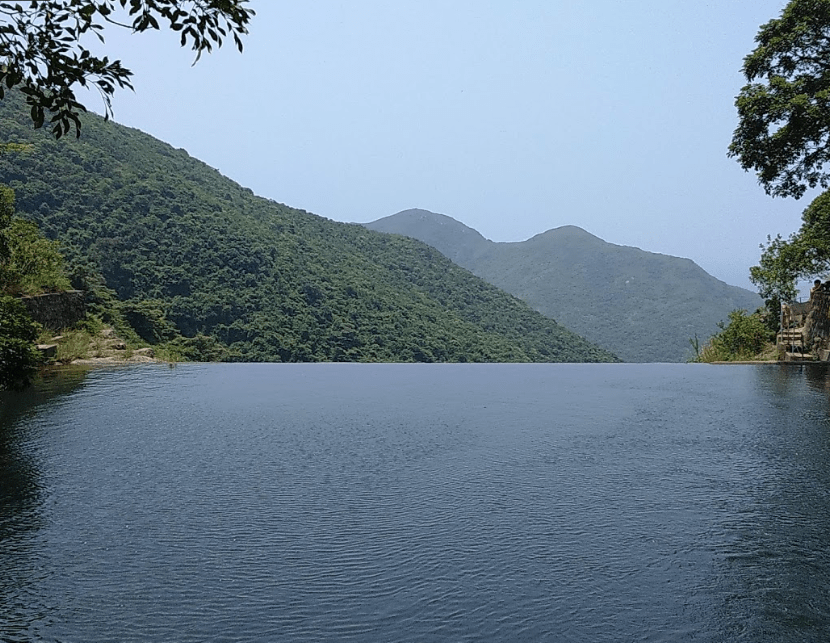
Hikers fined for swiming in Yi O infinity pool
Two people have been fined HK$500 for swimming in the Man Cheung Po infinity pool at Yi O.
The site, a 30-minute walk from Tai O, is a popular summer destination for its spectacular waterfall and pool, but is also protected under the Waterworks Ordinance.
The Water Supplies Department (WSD) received a complaint that people had entered the water catchment area in June and worked with police to identify the offenders, the Oriental Daily reports.

Crowds at the pool (Source: Oriental Daily)
The two were convicted in West Kowloon Magistrates Court on July 24 for being in a water catchment area in violation of the Waterworks Ordinance.
Under the Waterworks Ordinance, it is an offence for any person to enter a water facility to swim, with a penalty of a fine of up to $50,000 and two years’ prison.
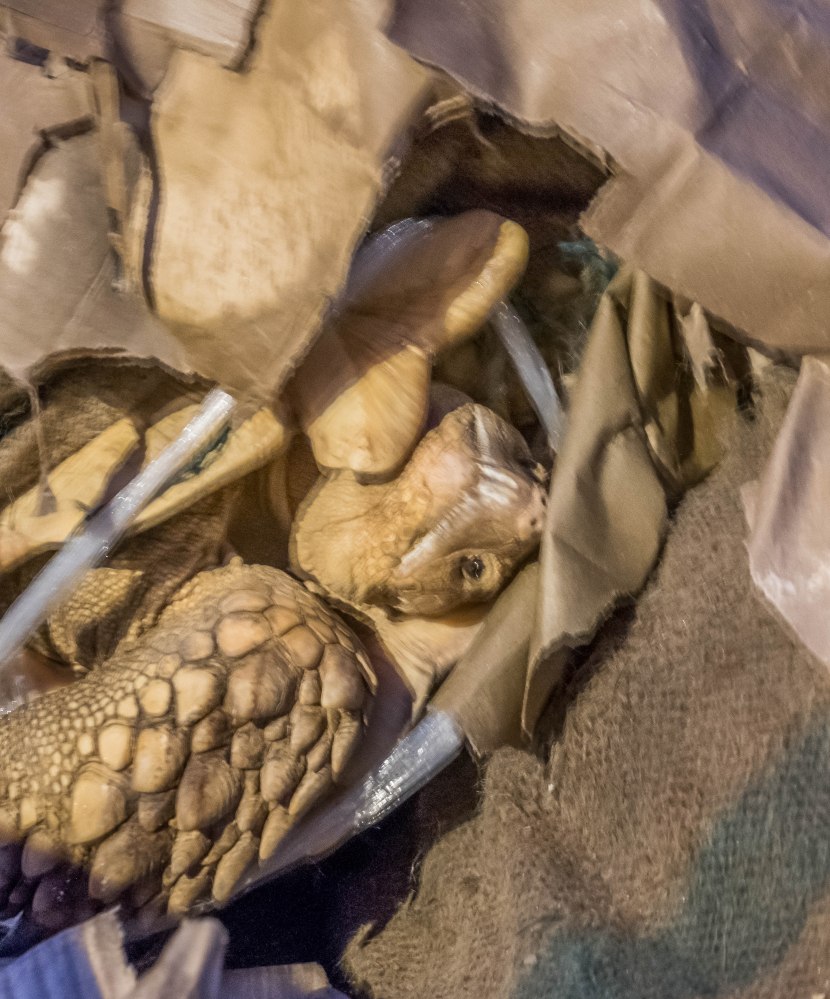
Photos: Sacks of tortoises dumped on Mui Wo dock
Photos obtained by Lantau News throw further light on the attempt to smuggle African spurred tortoises on the weekend.
Local fisherman found the tortoises in sacks on the Mui Wo dock on Saturday evening and called the police.
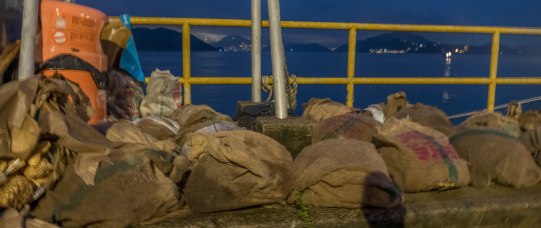
Just some of the sacks of tortoises on the dock
The photos reveal many of the tortoises were full-grown adults and some had been kept in distressing conditions.
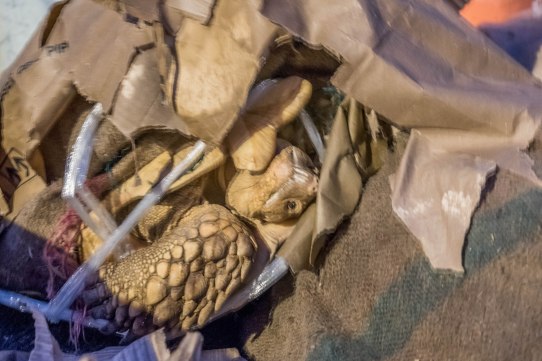
Tortoise lying on its back
The resident who passed on the photos (who asked to remain anonymous) said the sacks appeared to have been dumped on the dock by the would-be smugglers. Some sacks had broken open, revealing some tortoises lying on their backs.
He said it wasn’t clear if the creatures had been brought by boat or were waiting to be collected by boat.
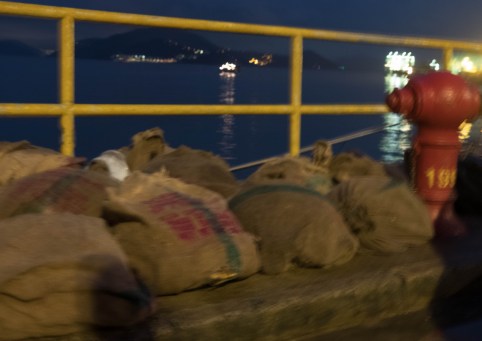
More abandoned sacks of tortoises
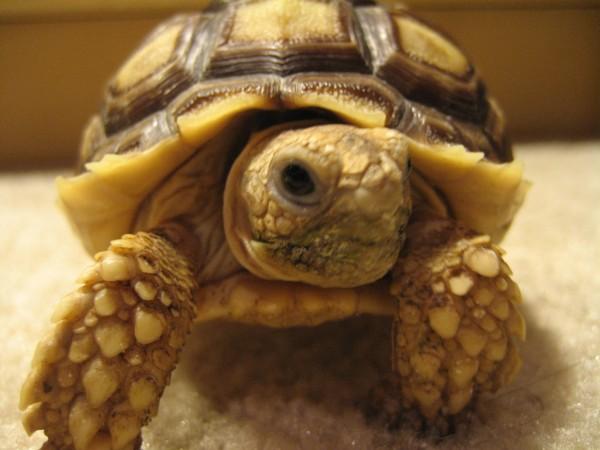
The African spurred tortoise is the world’s third largest tortoise and is a popular pet. Trade in the species is illegal under the CITES treaty.
Another attempt to smuggle large African tortoises into Lantau
Around 20 young African spurred tortoises were found abandoned in Mui Wo last night – the second local incident involving the species within two weeks.
Ten days ago police found an African spurred tortoise among a haul of items confiscated from smugglers in Tai O. The latest incident appears to also involve an unsuccessful attempt to smuggle the creatures into Hong Kong.
A man reportedly came across the tortoises in a bag in the car park next to the Mui Wo Ferry Pier Road dock at about 6pm and called the police, Oriental Daily reports.
An AFCD spokesperson said 19 tortoises – each about 30 cm in length – were found in several linen bags in the car park and had been brought back to the AFCD’s Animal Management Center in Sheung Shui for temporary care.
The African spurred tortoise is the world’s third largest tortoise, capable of growing to 83 cm. It takes 15 years to reach maturity but live for more than 100 years.
It is listed under the Endangered Species Ordinance, meaning that owners must be able to establish its legal provenance, such as the invoice issued by the store.
They are not endangered but import and export are banned under the CITES treaty and they classified by the UN as vulnerable because of the disappearance of their habitat and their popularity as a pet.
Police are searching for the owner of the bags.
Photo: A young African spurred tortoise (RyanSeiler, Wikimedia)
Pui O wetlands now facing caravan park threat
A caravan park is the latest threat to Pui O’s shrinking wetland.
A local landowner has applied to build a “temporary” caravan and camping ground and “ancillary hobby farm” on a number of allotments south of South Lantau Rd behind the Garden Plus store.
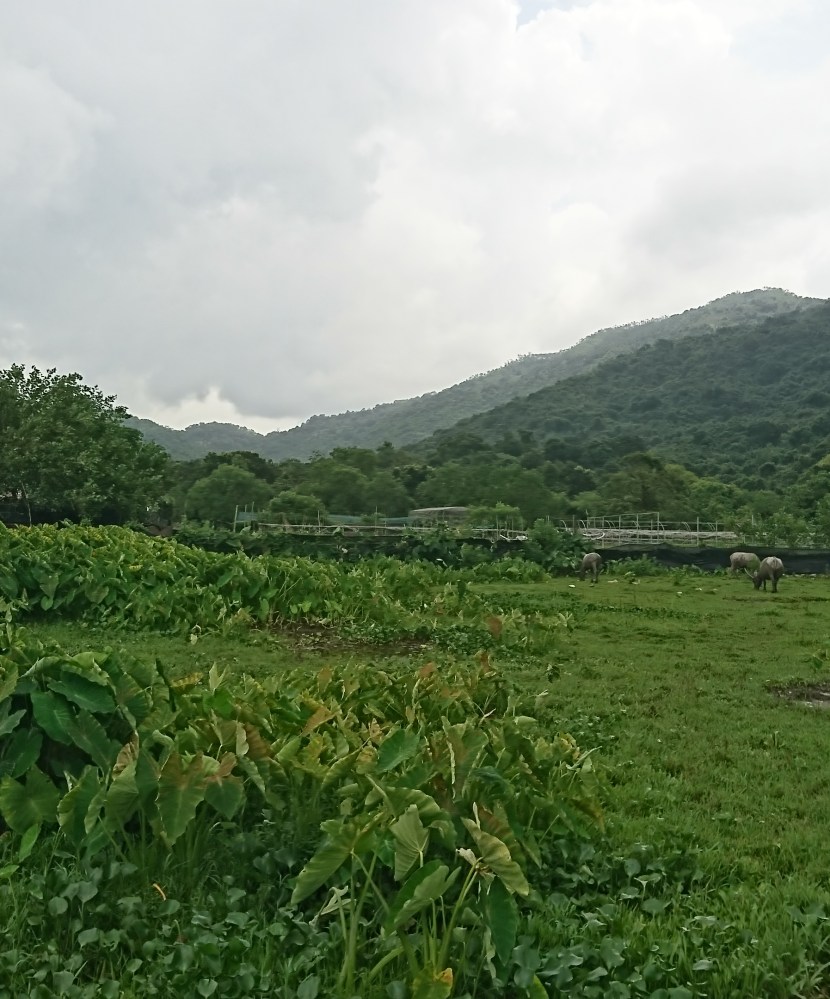
Much of the area covered by the application is currently open wetland and buffalo habitat.
It is a designated Coastal Protection Area (CPA), but Edward Yiu, Legco member for the architectural sector, said he believed a loophole allowed the operation of caravan parks in CPA zones.

The proposed site
If approved, it would be one more blow to Pui O’s besieged wetland, which is steadily contracting as a result of dumping and creeping development.
It would also be South Lantau’s third on-site caravan park. A dozen vans have been available for hire on CPA-zoned land at Tong Fuk since 2013. A second one opened at Cheung Sha last year, though it did not apply for TPB approval until February.
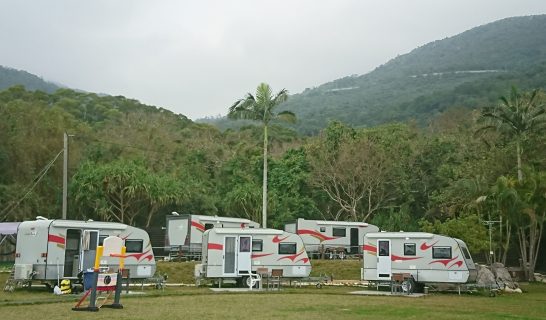
Welcome Beach caravan park, Cheung Sha
The latest application was lodged with the Town Planning Board on May 16. Just two weeks later the government released its Lantau blueprint that stressed “conservation of Pui O wetland” as one of its prime conservation objectives. But the report went no further than saying steps to conserve the ecologically sensitive site “are being explored.”
The area under application takes an unusual shape for a caravan park, with two sections in the middle of the site excised. Three smaller sections beyond the main boundary are included, possibly for the hobby farm.
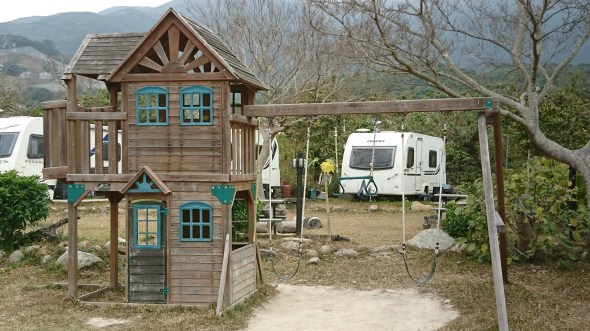
Tong Fuk Caravans
The Pui O wetland, a marshy territory of around a dozen hectares between South Lantau Road and the coast, is not a natural wetland but is abandoned and previously heavily polluted agricultural land that has been regenerated by the presence of buffalo. The combination of buffalo waste and the churning of the soil by their hooves in the past 20 years has brought the wetland to life and created Lantau’s iconic tourist attraction.
Despite the name, the CPA does not provide any protection. It has no enforcement mechanism. As a result, the buffalo habitat has been incrementally shrinking every year. Local environmentalists and senior officials agree that the most likely solution is for the government to bring the wetlands under protection by doing a land swap. They see the land swap at Sha Lo Tung, aimed at protecting its diverse dragonfly species, as a significant precedent. It is the first of its kind for conservation purposes in Hong Kong.
Under Hong Kong’s kafkaesque planning laws, only land designated for development can be protected by the Environment Protection Department (EPD).
The EPD cannot prevent dumping on privately-owned wetland but in an equally surreal twist it has the power to approve dumping. A judicial review is now before the courts challenging the EPD’s director’s green-lighting of dumping on Pui O wetlands.
The case has been heard by Justice Au but the ruling is not expected to be handed down for several months.
Photo (top): Proposed caravan site, Pui O
NOTE: This story has been updated to include the announcement of the Sha Lo Tung land swap.

Lantau blueprint scraps worst ideas, talks up conservation, upholds ELM
After three and half years of aggressive development plans from the Leung government, the Sustainable Lantau Blueprint is a return somewhat to the status quo.
The blueprint, produced by the Development Bureau, is closely aligned with the 2007 Lantau Concept plan. It even says so on the cover.
It scraps proposals for intrusive tourist facilities, ignores calls for new roads and urges greater conservation of key areas such as Pui O Wetlands and cultural heritage.
Notably it has dumped many of the unpopular proposals from LanDAC, such as the plan to extend Ngong Ping 360 to Tai O, install a chairlift to Sunset Peak and build water-skiing facilities in Shui Hau and a spa in Cheung Sha.
However, it upholds the government’s biggest development plan – the massive East Lantau Metropolis (ELM), the site of a future CBD and housing on 1000 ha of mostly reclaimed land in the waters between Mui Wo and Hong Kong island.

Above & below : What must be conserved
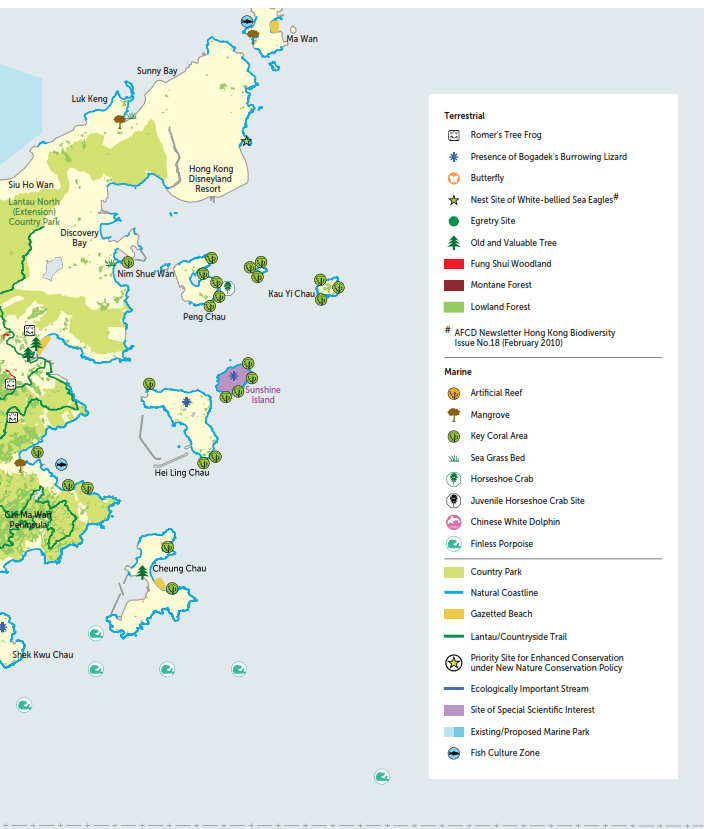
On the positive side for the environment, the blueprint on a number of occasions acknowledges the need to “conserve sites of natural and cultural heritage importance,” although it doesn’t say how this would be done.
For example, it appears to have taken on board community anger over dumping on the Pui O wetlands.
[The wetland] is rich in biodiversity of wetland plants and macro-invertebrates and is reminiscent of the living of farmers a few decades ago. The water buffaloes living there now are part of that cultural history. … Pui O can be an important educational resource to showcase the rural history of Hong Kong and the valuable wetland flora and fauna.
But while it says measures to protect the wetland “are being explored,” it has no detail.
It also runs up against the logic of the ELM. While it calls for the retention of Mui WO’s rural character, it also endorses the government proposal to build a highway from North Lantau through the town to the ELM.
On the vexed issue of Lantau transport, the document, like the 2007 plan, urges greater use of ferries for round-island transport between villages such as Cheung Sha, Shek Pik and Yi O. It also suggests convenient ‘hop-on hop-off’ short-distance transport services for South Lantau Rd and expanded cycling and mountain bike paths.
While the report has discarded many of LanDAC’s excessive development ideas, it has some of its own, including a beach volleyball court at Cheung Sha, a water sports centre at Pui O, and “an adventure park at an appropriate location.” It argues for the addition of “supporting facilities” on local hiking trails, including signage, information kiosks, “and provision of maps, toilets and emergency telephones.”
It also resurrects the government’s super-prison proposal from early in the last decade, suggesting Lantau’s correctional facilities may be relocated to Hei Ling Chau as a part of ELM.
Finally, and again without elaboration, it says it is exploring the feasibility of “themed camping grounds” in places such as Shui Hau, Tong Fuk, Pui O and Shek Pik.

Why you won’t die from snakebite and other advice from snake whisperer William Sargent
If you’re a Lantau resident, you’re bound to have come across the odd snake. If it’s a little too close for comfort the chances are you’ve also met our resident snake whisperer, William Sargent.
William’s fascination with snakes began as a boy during family holidays in Chi Ma Wan. Today he lives with in South Lantau and in recent years has become our local snake catcher.
As well as helping police retrieve and return snakes to the wild, William is a conservationist who proselytises for the care and protection of all animals in the wild. He won worldwide fame recently when he posted a HK$10,000 reward for the return of baby owls snatched from their nest.
Speaking at a recent Living Islands Movement event, he shared the most common questions he is asked about snakes.
Why does Hong Kong have so many snakes?
Primarily because of habitat. With its large country parks, the city is a sanctuary for diverse species – barking deer, wild boar, sea turtle, civet cat, porcupine and pangolin – probably the most hunted creature in the world. The city is like a big wildlife reserve. By contrast, across the border, 12 of China’s 200 snake species are threatened.
How dangerous are Hong Kong’s snakes?
Hong Kong has more than 50 species. Take away the sea snakes, the rare, the non-venomous and the mildly venomous, there are about eight snakes that can potentially hurt you.
How many people die from snakebites?
Worldwide, tens of thousands of people die each year. In Hong Kong the annual death toll from various kinds of misadventure is:
Workplace falls – 33
Road accidents – 117
Snakebites (past 20 years) – 0
About 150 people here are bitten each year, but no deaths occur because of the ready access to quality medical care. Snakebite is not dangerous if you are a healthy adult and you have modern medical care.
Unless you have a pre-existing condition or an allergy, you’re not going to drop dead. If bitten you may have issues with nerve damage, but you’re not going to die.

Photo: Hamish Low
Why are snakes important?
Nature is all interconnected. You don’t have to love snakes. But I can’t understand people who say they like nature but hate snakes. Birds eat snakes, snakes eat a lot of pests.T he ironic thing – whatever they’ve killed or moved was probably doing them a big favour (eg, eating rats).
Hong Kong is like a sanctuary. Chinese Cobras are so common here but are listed as threatened species in China. They’re on the UN Red List – their population has dropped 50% in the last 20 years.
Last year in Shenzhen 68,000 wild python skins were confiscated in one bust. That’s just a single day. To put it into perspective, on this mountain [Chi Ma Wan] there’s one or possibly two Burmese Pythons. The scale of the snake trade in China is not sustainable.
Do snakes threaten humans?
Snakes can defend themselves pretty boldly but they do not chase you. There is no reason. In the animal kingdom, if something’s not attacking you, it puts itself at risk. From an evolutionary point of view, snakes have no ecological reason to chase prey it’s not going to eat.
The only time snakes chase someone is you suddenly come across one inside your house and it doesn’t know where to go.
What are the biggest threats to snake populations?
The No 1 enemy is deforestation. A big problem in Asia – in Indonesia it is terrible.
Human attitudes are also a problem. Three weeks ago I was called to a Cheung Fu home. There was a Rednecked Keelback in someone’s garden. And the woman got to him with a shovel.
I’m getting used to it but I think, what is the point? The police were on their way. They’ve called me in, the snake-catcher. If it’s any other animal would you come out of your house and bash it with a shovel? This attitude is very, very common.
(The text has been edited for space and clarity.)
Govt clips Pui O coastal conservation zone for sewage plant
The Town Planning Board has rezoned a slice of Pui O’s Coastal Protection Area (CPA) for a planned sewage treatment facility.
The board announced today it intends to rezone an area “south of South Lantau Road” for the planned treatment works. It does not specify the exact size or location of the rezoned slice of land.
Under the zoning plan approved in September 2014, 162.5 hectares of South Lantau land are designated as CPA, primarily in a strip between Pui O and Shui Hau.
The CPA is intended to protect areas of conservation or ecological importance in Hong Kong coastal zones. However, the controversy over dumping on designated CPA land in Pui O – now subject to a judicial review – has underscored the weakness of the current CPA regime.
Members of the public can make submissions to the TPB over the rezoning. They can view the draft plan between now and August 2 at the Islands District Office in Mui Wo, the South Lantao Rural Committee in Pui O and the Islands District Office, 20F, Harbour Building, Central.
The current Outline Zoning Plan (OZP) can be viewed at the TPB website.
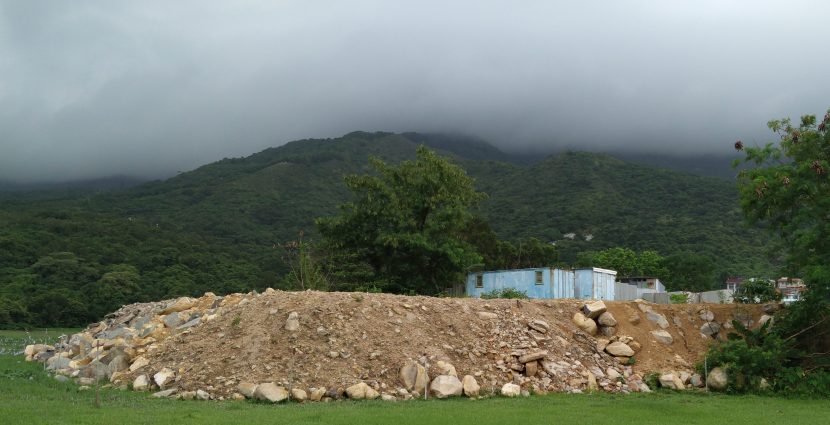
Photo: Dumping in Pui O wetland (file photo)
We can build in country parks – if we protect them
The Leung government is going about its country park housing plan in exactly the wrong way.
It has already identified two sites and has hired a property developer with no known environmental expertise to evaluate them.
What are the chances that the Housing Society will conclude that the Tai Lam and Ma On Shan country parks are in fact unsuitable for development?
It’s a short-term salami-slicing approach with easy-to-predict consequences: after green-lighting those two sites, other locations will be found for ‘evaluation,’ then a few more and then more again. After a decade, fresh areas of country park adjacent to the developed sites will be designated as ‘low ecological value’ by virtue of the environmental destruction next door.
In a couple of decades, having exhausted the park boundary areas, government leaders and developers will lead us to understand that any development at any location in any country park is acceptable. Destruction of the country park system will be complete.
Instead of this contrived process that galvanises public opposition we could take a holistic approach to both housing and environmental protection.
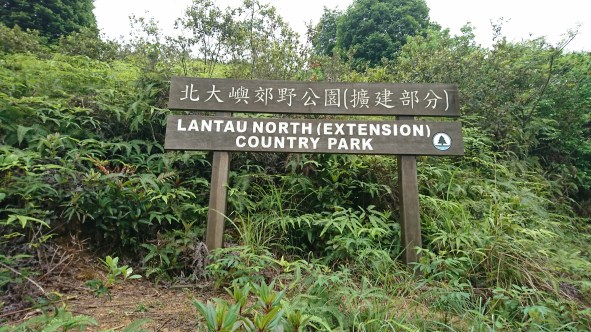
The background is that the country park system grew up in an ad hoc way in the 1970s, mostly comprising land too steep or rocky or remote for development. But it also left ecologically important sites outside the parks.
So let’s commission an independent expert panel – no government officials, no party hacks, no cronies – to identify the ‘low-ecological value’ sites on country park borders as well as the ecologically important sites not protected.
In doing so way we set markers for what is and isn’t ecologically important and build up a bank of land to for the years to come.
Once we’ve created the new park borders, let’s pass a law to guarantee they are inviolate for the next 50 years. And let’s protect those ecologically sensitive sites that can’t be added to parks by creating a body of law and a team of enforcement officers that will punish those who damage them.
We will lose some country park land, but extend protection to vulnerable sites. It shows a government willing to defend the city’s natural heritage while also making progress on housing and at the same time demonstrate an ability to collaborate with civil society.
It is the exact opposite to the current initiative. In delegating to the Housing Society Leung has made it clear he sees country parks as a storehouse of land for development, regardless of environmental impact or public expectation.
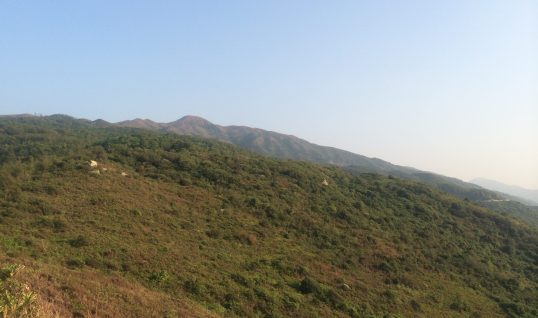
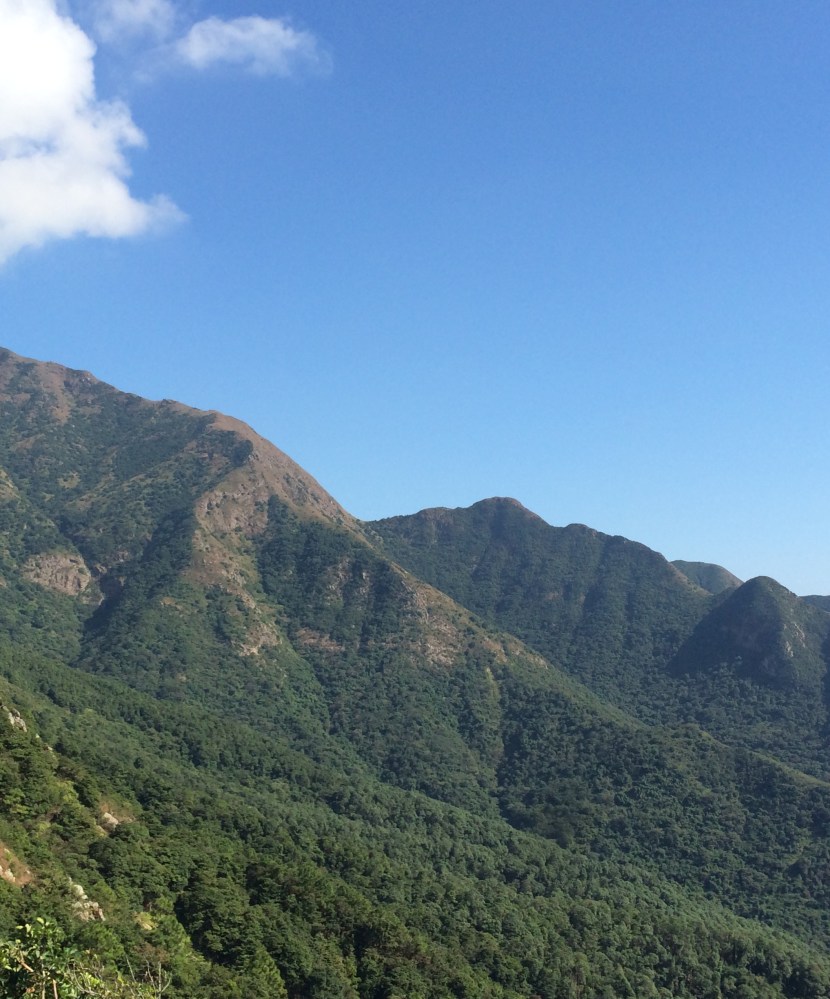
Fan Lau, Lantau South Country Park
This is an autocrat’s way of getting things done. It’s also another sign that we live in a construction state, primed to continually identify new development projects at public expense. The ‘Belt-Road’ scheme is the ultimate expression of this.
Lantau has been subject to these one after the other: the Macau Bridge, the Shek Kwu Chau incinerator and on the horizon, the East Lantau Metropolis.
During the Lantau development consultation last year government officials repeatedly assured citizens that south Lantau would remain a green zone protected by its country park status. We know now that that protection means nothing.
 Lantau Confidential