
Category: development
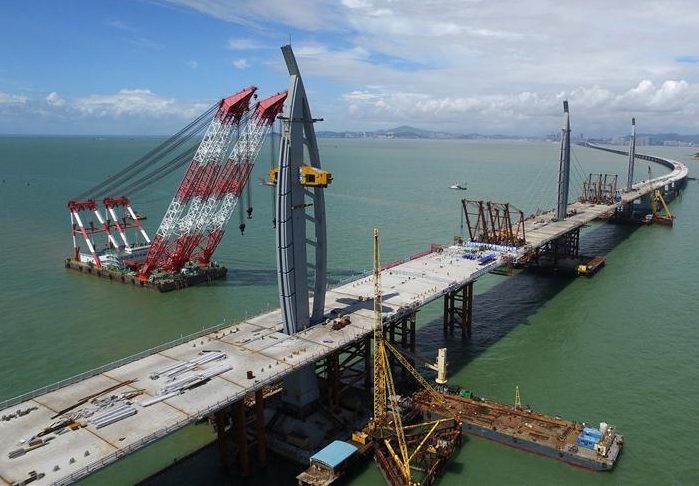
Hackers attack HK-Macau bridge project
In yet another failure at the HK$90 billion HK-Macau bridge project, it’s been revealed hackers attacked a server used by one of the contractors and locked up key files with ransomware.
Some of the files were destroyed in the attack, which took place at the site office of consultant engineers Arup Group in early March. The Arup team was working on the final bridge link to Scenic Hill on the south-east end of Chek Lap Kok island.
Staff discovered many files on the server could not be opened and received a ransom demand from hackers in order to open the files. The server had a large number of project-related material, including progress reports and blueprints that if stolen or destroyed could harm the progress of the project, Oriental Daily reported today.
The company feared that personal information belonging to a thousand employees who had worked on the project over the past five years, including their IDs and bank account details, had been compromised in the attack.
But the Highways Dept, which acknowledged the incident took place on March 2, said staff personal information had not been stored on the server.
After calling in police, the company was able to unlock a number of the ransomed files. A Highways Dept spokesperson confirmed that a number of files had been destroyed, but said no data had been leaked in the attack.
The department was unable to say how much the attack had cost the project. It said the hack did not hinder progress of the bridge construction, which was still on course to open by the end of the year.
The computer breach is the latest in a series of incidents that have plagued the seven-year-old project, that include delays, cost overruns, the deaths of nine workers and hundreds of injuries.
More reclamation: Think tank calls for new island south of Cheung Chau
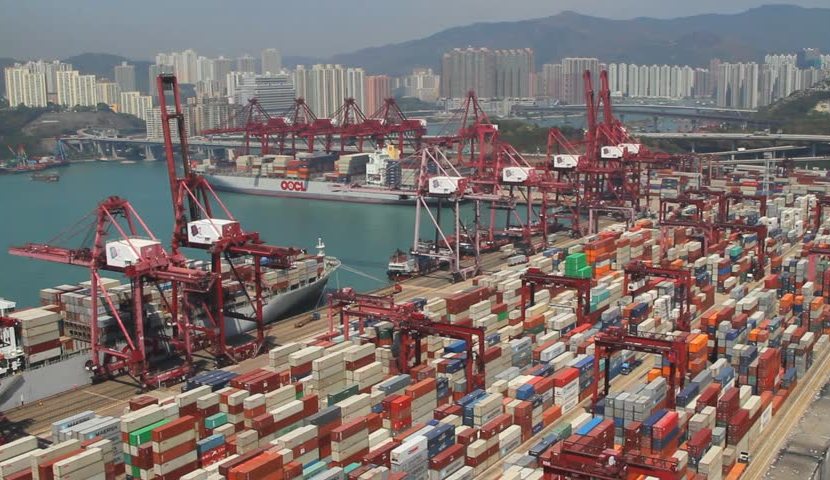
A think tank founded by Tung Chee Hwa has called for the construction of a 2200-hectare island south of Cheung Chau to house the city’s container port.
Our Hong Kong Foundation says this will free up the 940-hectare Kwai Chung port for housing. Deputy executive director Stephen Wong told RTHK the new site “hopefully has a lower environmental impact.”
The proposal, in a submission to the 2030+ plan, calls for reclamation on western Lamma and bridge links from the new port east to Hong Kong Island via Lamma and west to the proposed East Lantau Metropolis. The scale of the proposed artificial island terminal is on a scale similar to the ELM, which is suggested to be somewhere between 1000 and 2400 hectares.
Wong said the city’s medium and long term housing supply lags far behind target and required immediate large-scale land development.
OHKF also suggests reclamation around Po Toi island to hold the city’s prison facilities. Lantau hosts four prisons, and another two are located on Hei Ling Chau, with total capacity of 2900.
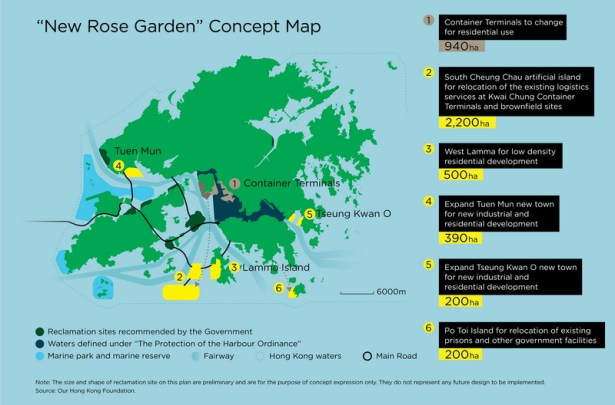
OHKF’s plan
The foundation says Hong Kong needs to carry out large scale reclamation to support different development projects, including the release of privately-owned land through a public-private cooperation model.
Said Wong:
“Instead of just thinking about having a low target of new supply of land in the New Territories – which we think should continue – but given the difficulties and given the size of the new towns, we should certainly think outside of the Victoria Harbour for large scale reclamation for predominantly subsidised housing”
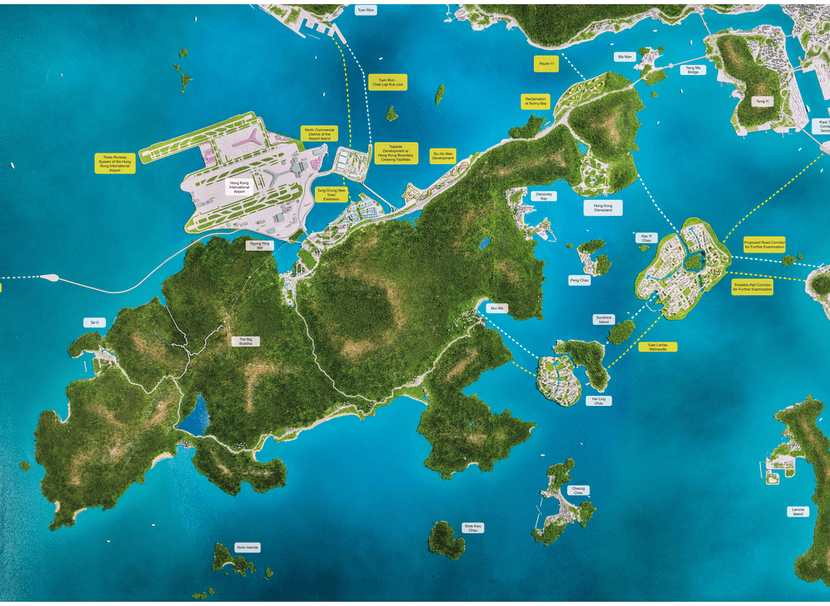
Eight reasons not to build East Lantau Metropolis
The deadline for the public consultation on Hong Kong 2030+ looms on April 30 – the last chance for Lantau people to register their views on the plan to run a freeway across the island to connect Mui Wo to Central via a new commercial centre built on reclaimed land.
Here’s why it shouldn’t be built.
- The ELM won’t fix Hong Kong’s housing problem
Hong Kong has the world’s most expensive home prices – a wretched record it has held for the past seven years. That requires solutions now, not in the mid-2030s when the first ELM homes are ready.
- The ELM is the worst solution to the housing shortage
The ELM is the slowest, most expensive and environmentally harmful way to provide affordable housing. It proposes to house up to 700,000 people on a site from anywhere between 1000 and 2400 hectares, comprising the islands of Hei Ling Chau and Kau Yi Chau and extensive harbour reclamation. Some alternatives:
- Hong Kong’s three biggest property developers, Sun Hung Kei, Henderson and New World between them have more than 90 million square feet, or 836 hectares, in their land banks. This is agricultural land that could and should be rezoned to residential (CE-elect Carrie Lam has talked about this but has made no specific plans).
- Hong Kong has 189,000 unoccupied empty properties. We should tax the owners of these and in particular those owners not living in Hong Kong.
- End the indigenous house policy, which locks up hundreds of hectares of prime residential land on the outlying islands and New Territories.
- Build on a brownfields site in Wang Chau to provide 17,000 homes instead of cutting a secret deal with a rural land owner that cuts this to 4,000.
- The ELM will solve a problem that doesn’t exist
The ELM is based on a forecast population of 9 million. Yet the government’s own figures anticipate that the city’s population will peak at 8.22 million in 2043, after which it will decline. The government has suggested it is a ‘contingency’ – in other words it wants to commit public funds to the city’s biggest ever infrastructure project on the basis that it might be needed.
- The ELM has no economic case
The ELM is intended to be Hong Kong’s third CBD – a concentration of high-end office and retail, in addition to the abundant stock that exists in Central-Admiralty and East Kowloon (in the case of office space) and Causeway Bay and Tsim Sha Tsui (retail), not to mention the flood of new retail stores at the forthcoming HZM bridge landing zone. The government has not made the case for these other than claiming that direct links to both the Pearl River west bank and Central will create economic activity.
Property consultant Leo Cheung from Icon City says the government’s economic projections “belong to the unknown.” A new city centre of that scale will require up to a quarter of million jobs – there is no sign of where they will come from.
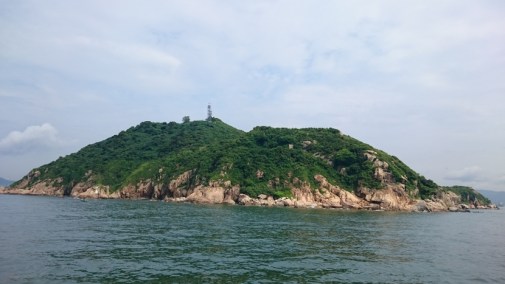
Prime real estate CBD material: Kau Yi Chau
- If we build the ELM they won’t come
Since 1997, Hong Kong has built one white elephant after another – Stonecutters Bridge (HK$2.76 billion), the Kai Tak Cruise Terminal (HK$6.6 billion), Central-Wanchai bypass (HK$36 billion), the Hong Kong-Zhuhai-Macau bridge (HK$140 billion and climbing) the high-speed rail link (HK$90 billion and also climbing) and, coming soon, the Shek Kwu Chau incinerator (HK$22 billion). Hong Kong bureaucrats love to pour concrete instead of trying to solve actual problems. Their bosses in Beijing love it, too. China is now exporting its excess construction capacity across Eurasia through its ‘One Belt One Road’ scheme. Heavy public works may have worked well for developing China in the past 30 years, but add little value to a city that already has advanced infrastructure.
- The ELM is environmentally destructive
Hong Kong leaders repeatedly stress they aim to balance conservation and development, yet invariably they find that the ‘balance’ comes down on the side of environmental degradation. This has been the case with Shek Kwu Chau, HZM bridge and the third runway. If an environmental assessment of ELM is made, it is guaranteed that the Environmental Protection Department will determine that it meets all the environmental criteria.
Special mention must be made of the repeated claim that this planned concentration of concrete and glass on reclaimed land and fed by freeways will be ‘low-carbon.’
- Hong Kong can no longer manage large projects
The ELM promises to be the greatest money pit of all. There is no costing yet, but according to a private estimate, based on previous projects, it will cost HK$400 billion.
This city once had a reputation for financial rectitude. The continued delays and cost overruns on the HZM bridge and the Guangzhou express rail link indicate a reckless approach to managing taxpayer assets and reinforce the view that sound economics are far less important than making a favourable impression in Beijing.
- The ELM has been shrouded in deception
From the outset it has been clear the government is determined to impose ELM on the city, regardless of its cost or public opinion. After introducing the ELM in his 2014 policy address CY Leung created a new advisory body stacked with developers and government supporters. After they predictably voted for ELM, the government held a ‘consultation’ that with equal predictability found that most Hong Kong people support the project, despite the thousands of written objections. The government has never showed any evidence for this claimed level of support. It also has never issued any of the consultancy studies that have examined the project. This disdain for public opinion was symbolised by the construction of a 3D model of ELM exclusively for visiting Beijing official Zhang Dejiang while the public consultation was still underway, containing details then unknown to the public.
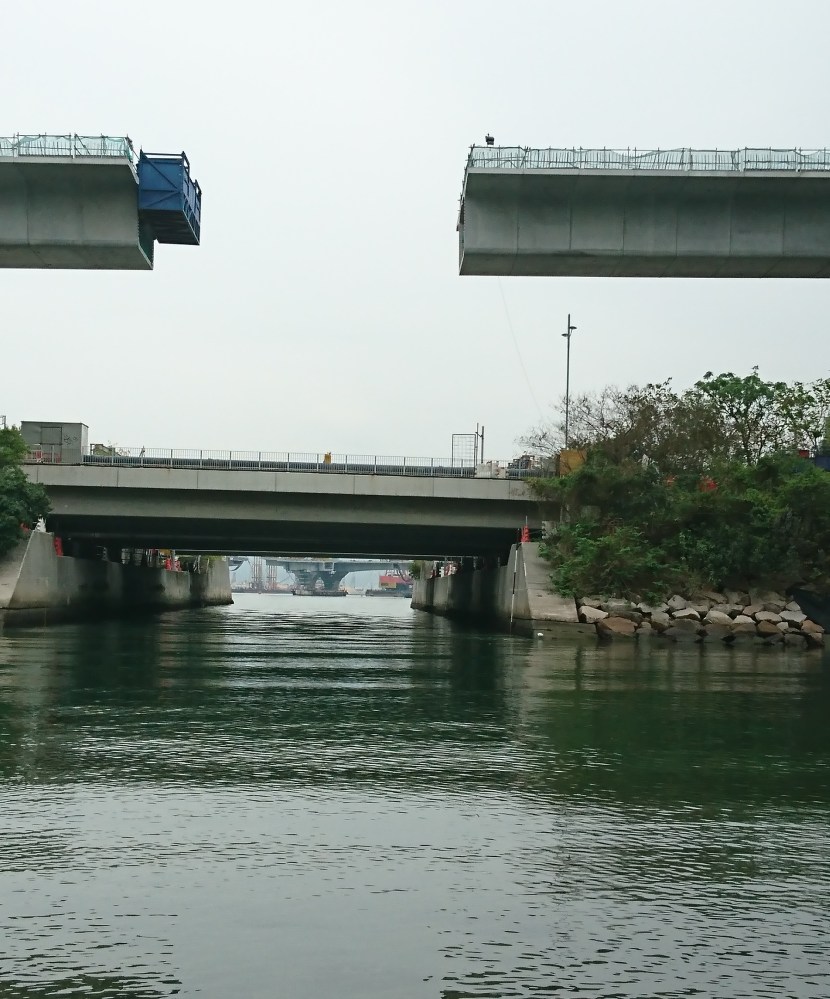
Tung Chung reclamation: Govt seeks $21b, green group warns of threats
The government is pushing ahead with plans to build 40,000 new apartments on reclaimed land in Tung Chung Bay – but a green group has called for the project to be scaled back by a third.
The Development Bureau is seeking HK$20.6 billion from Legco for the 120ha reclamation. A second stage will involve reclaiming a further 80ha. The projects are part of the Tung Chung New Town Extension plan which aims to add another 120,000 homes in the area by 2030. Continue reading
Lantau residents, NGOs seethe over stacked consultation
Is it a public consultation when the public is not invited?
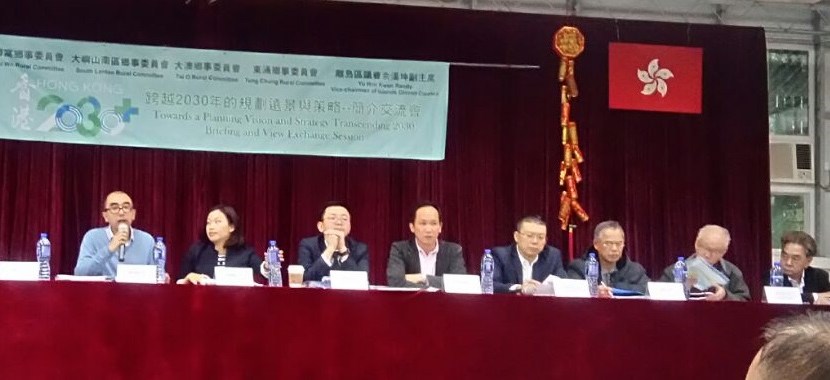
Local residents and NGOs are still fuming over their exclusion from a public consultation on Hong Kong long-term development plans – the latest in a series of steps that appear to be aimed at limiting criticism of the East Lantau Metropolis (ELM) project.
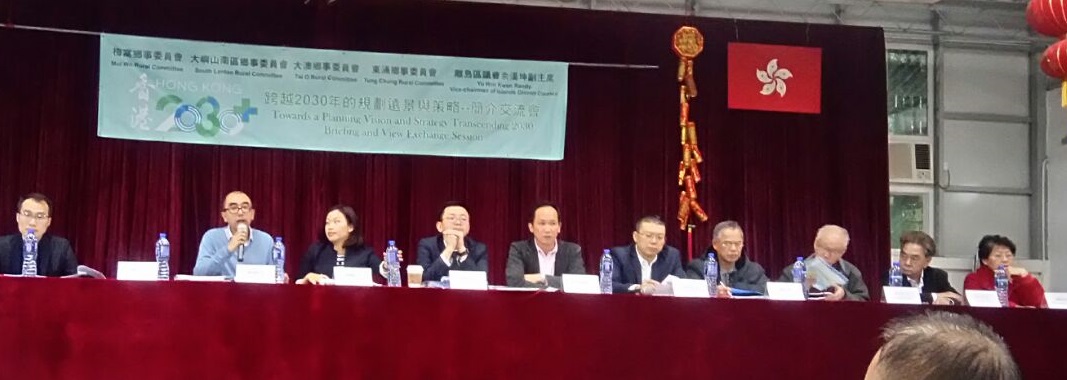
Randy Yu (fifth from right), rural committee leaders and officials at the March 22 forum
The plan to build an new retail, commercial and housing hub on 1000 hectares of sea reclamation off Lantau, with MTR and freeway links between Mui Wo and Central, could cost as much as HK$400 billion.
Highways Dept accused of cover-up over seawall collapse, mud slick
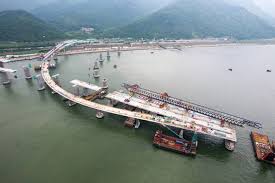
Yet another engineering failure, resulting in a massive mud spill, has been revealed at the scandal-plagued Hong Kong Zhuhai Macau Bridge (HZMB).
The Highways Dept only yesterday acknowledged the collapse, at the southeast end of Chek Lap Kok, more than two years after the event.
Newspaper HK01 reported Monday that the failure released tonnes of mud into Tung Chung Bay, creating a brown slick. It published satellite photos from Google and the Lands Dept showing the discoloured water.
The paper and Civic Party law-makers have accused the Highways Dept of covering up the accident, the latest in a series of incidents in the HK$130 billion project. Continue reading
Developer seeks approval for caravan park in Coastal Protection Area
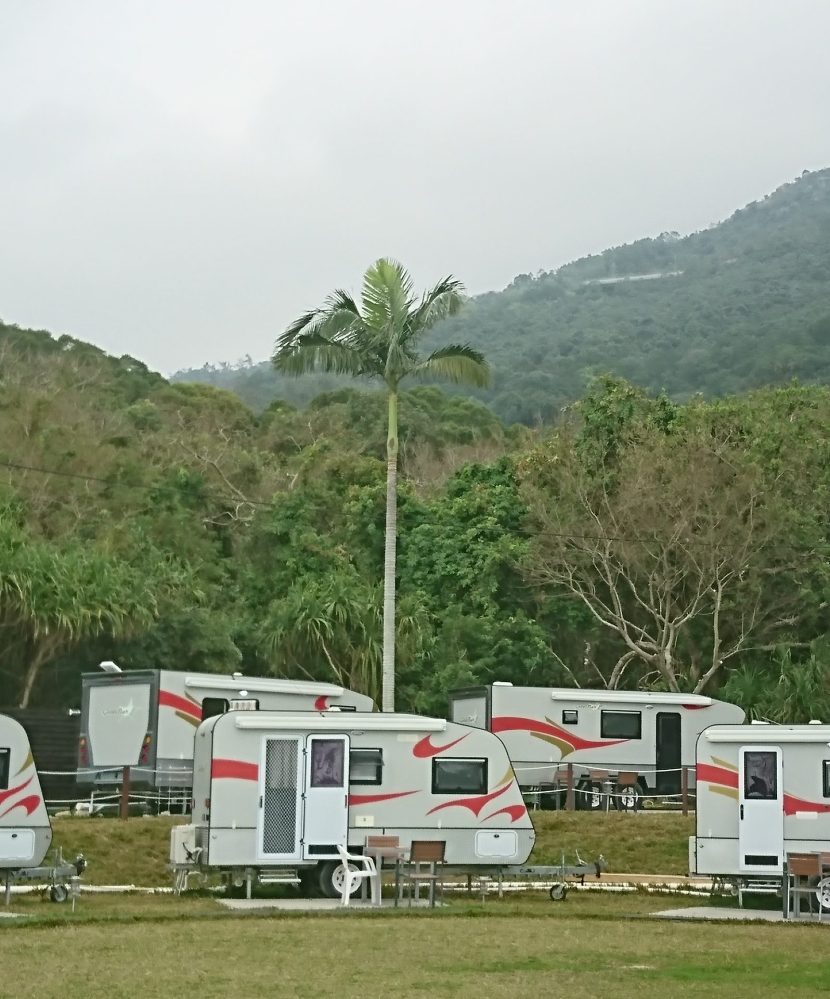
The Town Planning Board is weighing an application for a caravan park already in operation in Cheung Sha.
A company called Well Power Investment Development Ltd has sought permission to place nine caravans on former Palm Beach site for three years and to build supporting facilities including a toilet, a storage area and a kiosk.
The site covers 3,016 square metres, of which 85% is designated Coastal Protection Area (CPA)., and applies to lots 62, 63, 64, 65, 66 S.B, 66 RP and 67 in D.D.331. The remainder is government land.
One of the directors of the company is Chan Shekmou, an indigenous resident of South Lantau, according to a company registry search by Apple Daily. It says the caravans will be placed on stone and will not impact on the vegetation and argues that the proposal is consistent with the government’s ambitions to make South Lantau a tourist zone.
If approved, it would not be the first caravan park in South Lantau. A site in Tong Fuk with six caravans has been operating since 2014.
Hong Kong government’s has been been identifying sites as Coastal Protection Areas since the early 1980s in order to preserve sensitive environment and natural coastlines.
However, outside the Town Planning Ordinance, protection for CPA-designated sites is not enforced.
The Town Planning Board has set a tentative date of April 7 to discuss the application. Deadline for comments is March 10.
Mui Wo home prices set to soar, says CBRE
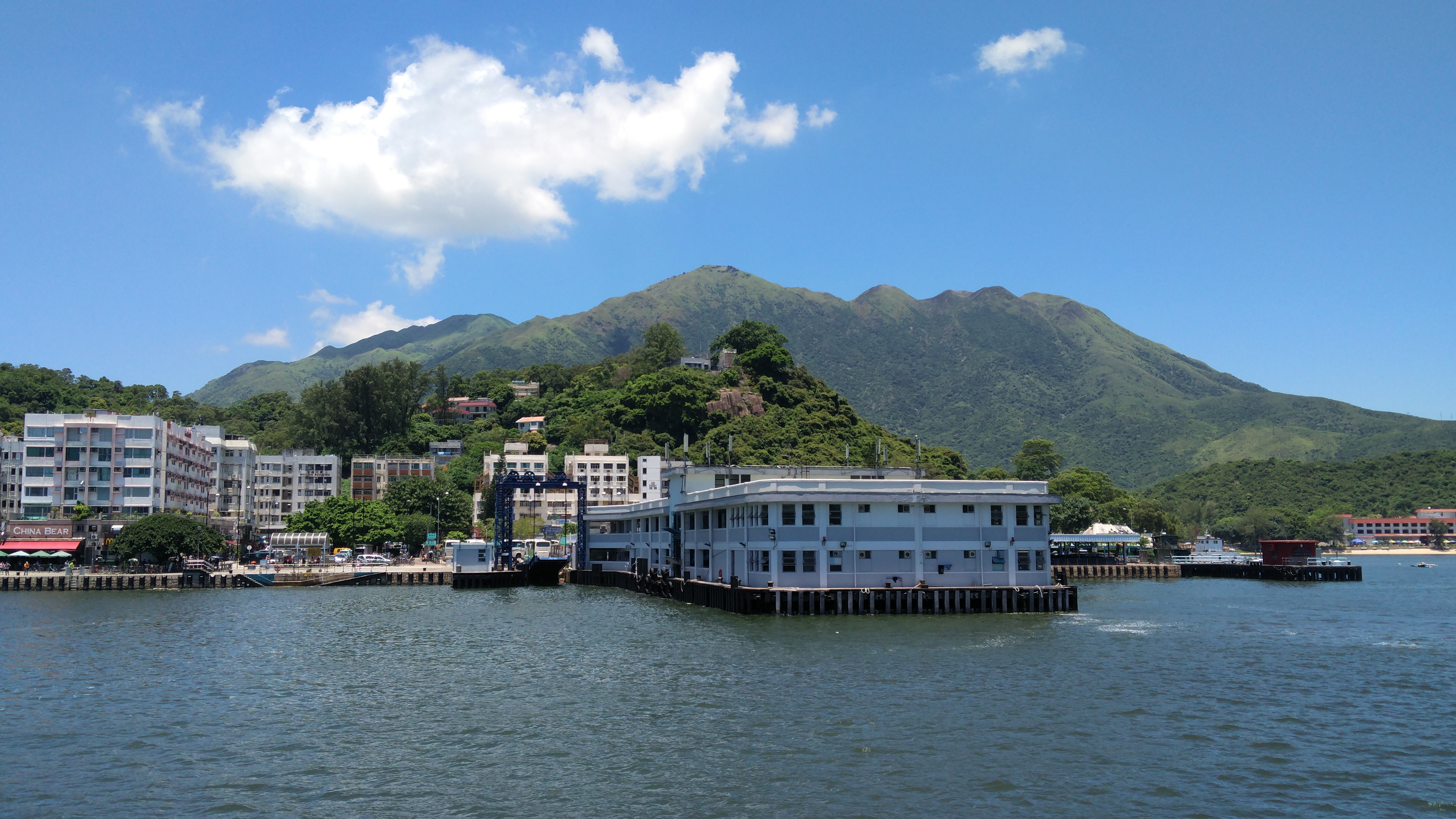
Mui Wo property prices are set to rise sharply, a senior Hong Kong real estate figure predicts.
Kam Hung-yu, a Hong Kong managing director at global estate giant CBRE and a former president of of the Hong Kong Institute of Surveyors, predicts a major hike in residential valuations.
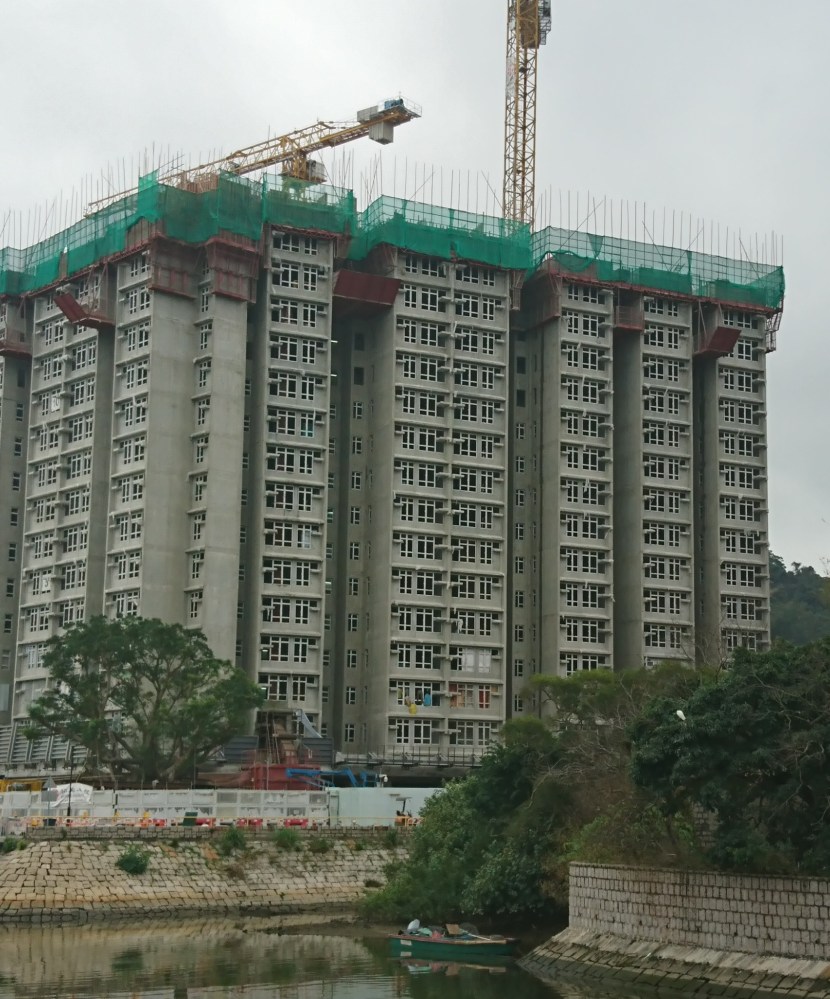
Writing in the Economic Journal he says the Housing Authority will start selling its new Mui Wo apartments in August. Mui Wo prices currently are at around $7000-$8000 psf, but after subsidies this will fall to as low as HK$5000.
“Some Hong Kong people believe the location is not attractive because it is too far [from the city],” he wrote. But he says citizens who qualify for the HA ‘green form’ subsidy should genuinely consider it. “This most likely is a housing market with very strong potential to rise in value,” he wrote. Continue reading

Think tank endorses ELM, hopes Lantau will somehow stay green
A classic case of cognitive dissonance: a think tank calls for preservation of South Lantau’s natural heritage, yet also urges construction of the East Lantau Metropolis (ELM).
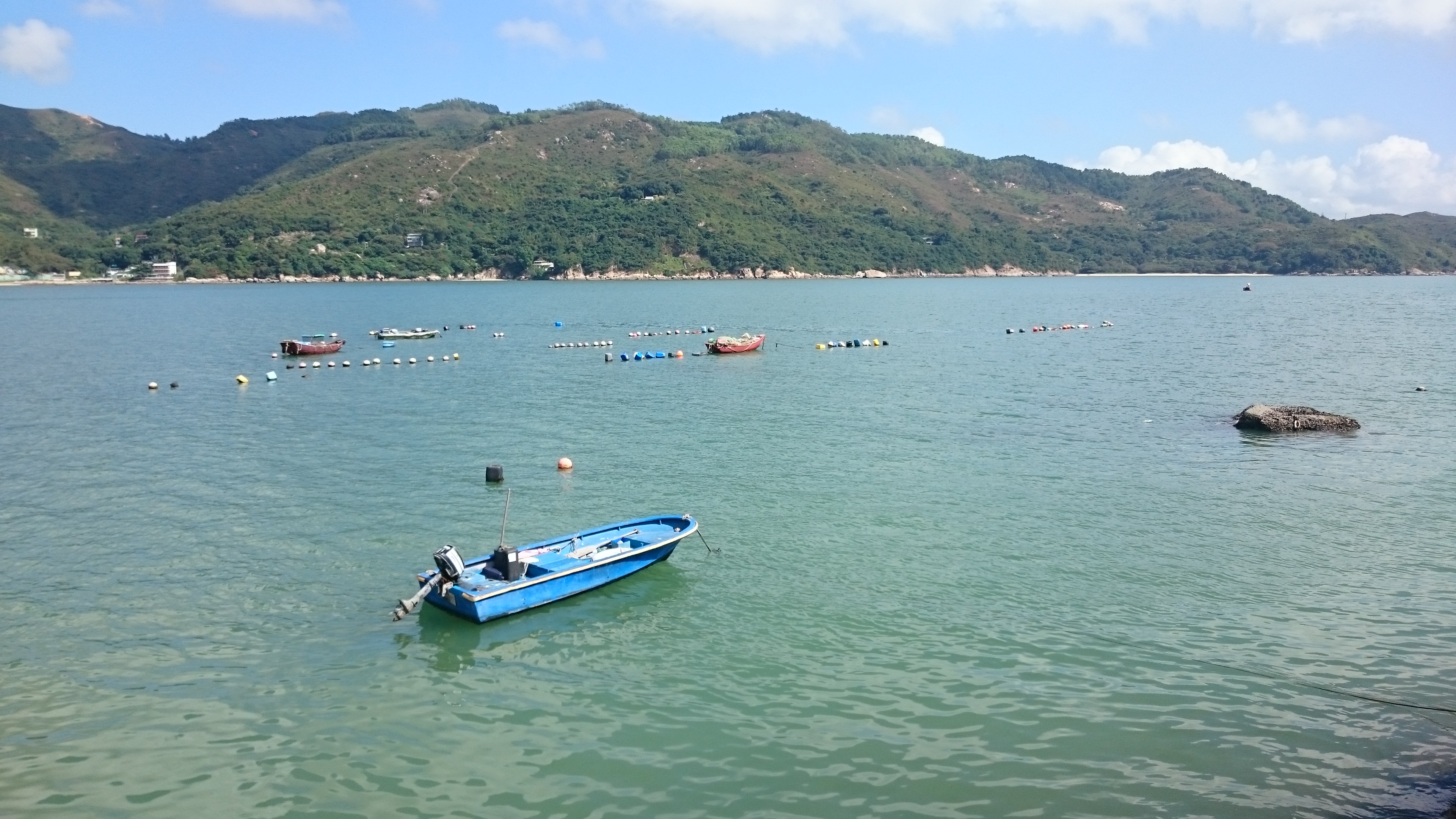
All roads to ELM run through Silvermine Bay
A report by Tung Chee-wah’s Our Hong Kong Foundation on the city’s land supply says Hong Kong has had no major land development for more than a decade and the focus now should be on Lantau.
Like the government-appointed LanDAC commitee, it’s an enthusiast about Lantau’s economic potential because of its location at the centre of the Pearl River Delta.
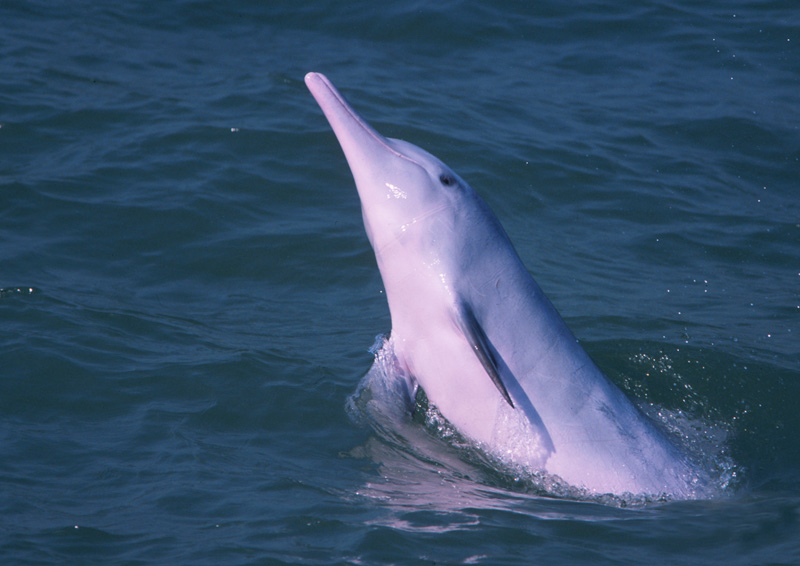
WWF warns of ‘irreversible’ decline after sharp fall in dolphin numbers
The Hong Kong-Zhuhai-Macao Bridge (HZMB) project has caused a drastic fall in dolphin numbers in the past year – and worse could be to come, says conservation group WWF.
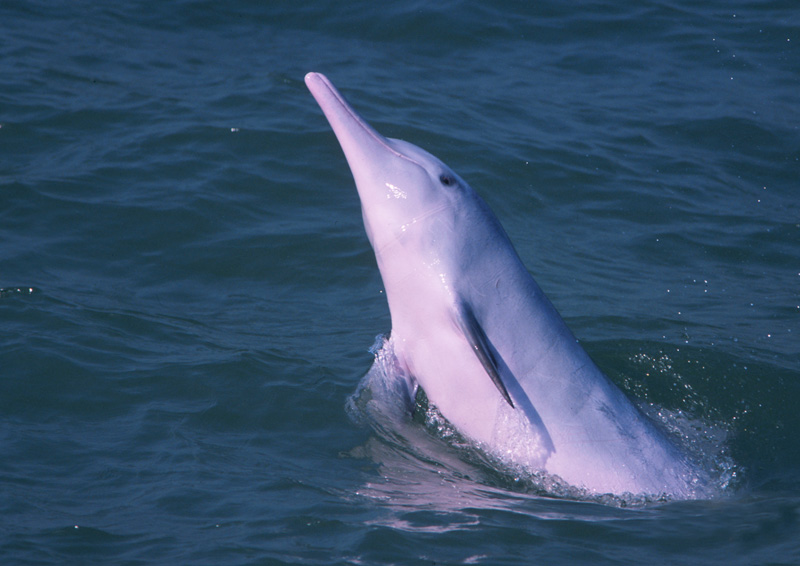
Endangered Source: EPD
The AFCD’s annual dolphin tracking report shows that the dolphin population in Lantau waters has fallen 60% to just 65. Continue reading
 Lantau Confidential