
Govt plan: let’s bring 6m tourists to Lantau
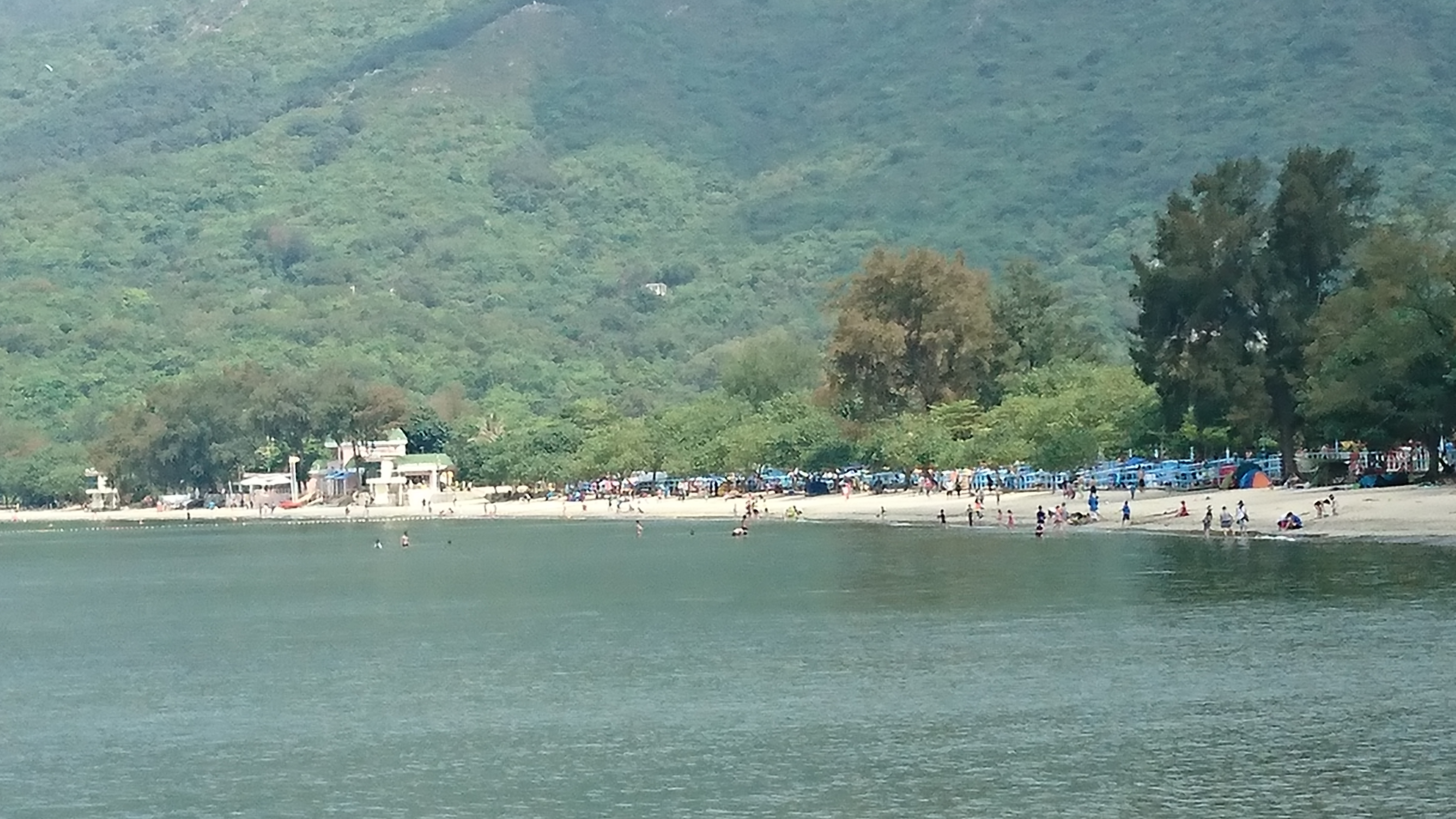
The Hong Kong government has a new plan for Lantau – tourists.
The government’s civil engineering arm, CEDD, has come up with a scheme to more than triple the number of visitors to South Lantau to around 5.7 million a year.
‘Scheme’ is perhaps over-stating it. It is a grab-bag of a couple of dozen construction projects packaged up as what they’re calling an ‘eco-recreation corridor.’
It’s an obvious make-work pitch from CEDD which has just suffered the loss of the trillion-dollar Lantau Tomorrow Vision project.
Those officials are now presenting their bosses with a solution to the Hong Kong tourism crisis – millions of tourists bussed into South Lantau for treewalks, “thrilling adventures” and “parent-child swimming.”
Specifically they are promising an extra 4000 to 6000 visitors per day to Cheung Sha, Pui O, Shui Hau and Shek Pik in tourist season. That’s a huge step up from the currnet number of around 2700, and means around 200 tourist buses daily schlepping along Tung Chung and South Lantau roads.
Not that we should take the CEDD’s numbers at face value. Those with longish memories will recall the original pretext for Lantau Tomorrow Vision was a population projection of 1 million people above the official government forecast; the incinerator plan was based on a claimed recycling figure 400% above the actual. But hey, numbers schnumbers.
The purpose here is to position CEDD as a saviour of the city’s flagging tourism sector and create a pretext for billions of dollars of new construction work, regardless of actual tourist demand.
The biggest of these projects are at Lower Cheung Sha: a bus terminus and a visitor centre with “catering, retail and sight-seeing,” to be built on what is now the local basketball court. The plan also proposes extra parking spaces somehow and, even more ambitiously, a new ferry pier for seaborne visitors via the city’s loss-making ferry services.
This paragraph on Upper Cheung Sha captures the reality-disconnect of these ideas:
“It is proposed to provide a diverse range of water-based leisure and recreational activities and ancillary facilities at Upper Cheung Sha Beach, allowing visitors to participate in dynamic activities, such as surfing and kayaking, or passive activities such as beach strolls, etc., according to their preferences in different seasons.”
Unbeknown to CEDD, dynamic water-based leisure activities and beach strolls are already available according to people’s seasonal preferences. As for surfing, unless CEDD plans to build a wave machine it’s difficult to imagine just how its “ancillary facilities” are going to magic up some six-foot barrels.
Among other proposals are a treewalk from Pui O Beach to the catchwater, a chairlift up Old Tung Chung Road, an adventure vacation area in Upper Cheung Sha, hillside glamping, and a boardwalk across the environmentally fragile Shui Hau mudflats.
For South Lantauans wondering just how this torrent of visitors would affect the already-stretched traffic, parking and public transport infrastructure, CEDD has an answer.
“Preliminary technical assessments on ecology, environment, traffic and infrastructure were carried out to confirm that the recommendations will not have adverse impacts…”
CEDD doesn’t trouble us with how it or its private consultancy came to these conclusions, just as it doesn’t explain how it arrived at the magic number of 6000 extra visitors a day.
Now we turn to what CEDD claims is the first ‘principle’ of its scheme, which is to “protect natural ecological resources.”
What a surprise to discover this proposal devotes exactly zero words to conservation. Can you really develop ‘eco-tourism’ without any reference to the local ecology?
CEDD thinks so. Natural vegetation and wildlife require active management and protection, but CEDD sees them as a convenient resource that can be endlessly drawn on for economic activity. Nowhere does it explain how it plans to implement its claimed ‘first principle.’
This is particularly true in the case of the severely-threatened buffalo and dolphin populations.
Bleak future
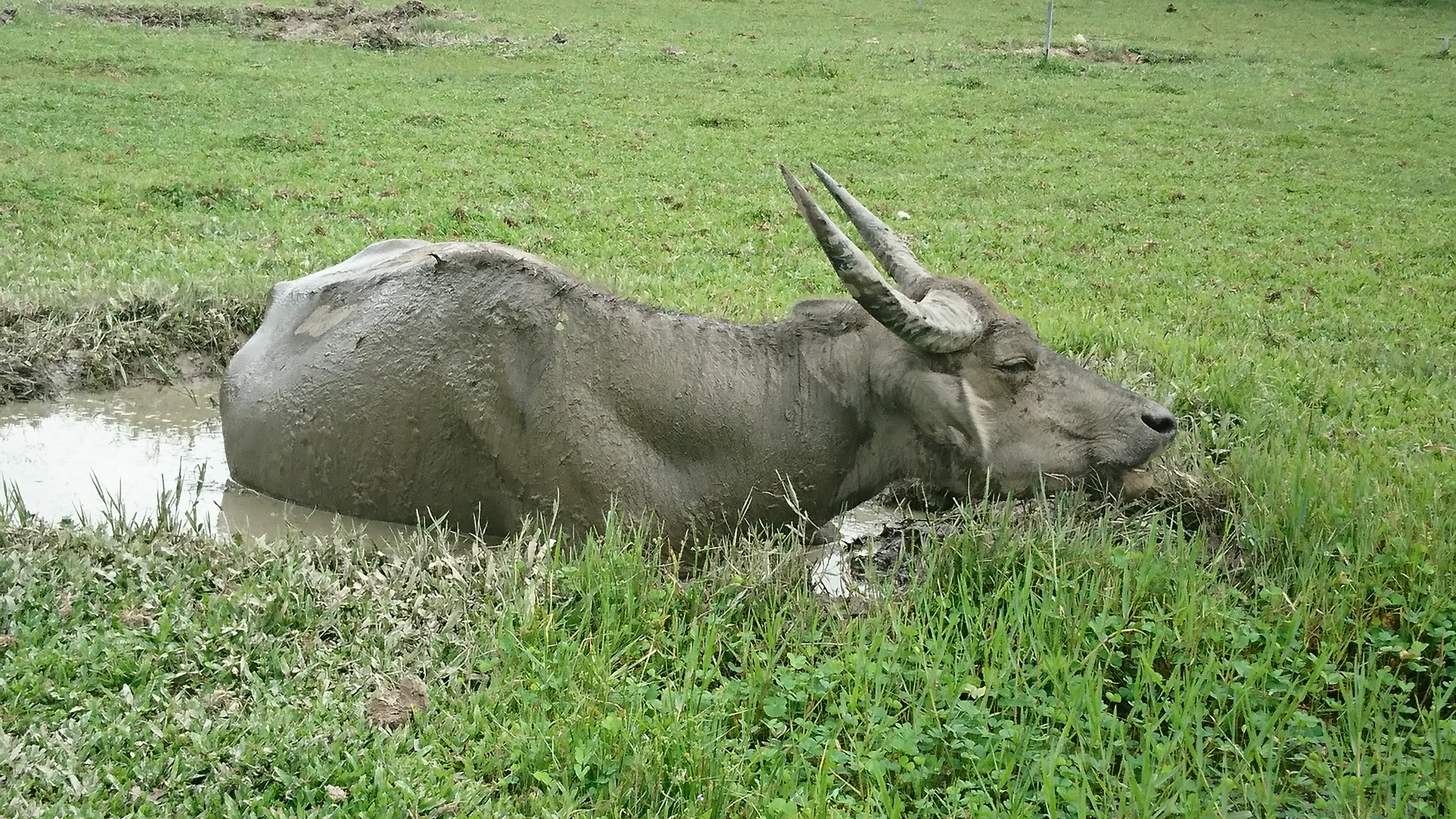
Lantau buffalo herds are an existing actual tourist feature, without requiring construction of glamping facilities or chairlifts. It is a rare visitor that is not delighted by the spectacle of a buffalo in its muddy, green habitat with an egret on its back.
But our buffalo face a bleak future, with a shrinking habitat and the government carrying out an aggressive neutering program. As far we know, all but one of the females have been spayed. Jean Leung, friend and protector of the Pui O and Ham Tin herds, says there’ll be none in 20 years.
The Chinese white dolphin is in even more peril. It is on the endangered list, with only 32 individuals left in waters around Lantau and western Hong Kong thanks to relentless offshore development and intense marine traffic. CEDD’s thinking is let’s increase the marine traffic through their habitat.
Obviously these existing, much-loved ‘eco’ attractions are no match for the CEDD’s grand design of tipping billions of dollars into “dynamic activities” and “thrilling adventures.”
You might think we can hardly expect our civil engineers to concern themselves with conservation and ecology. By the same token you may also wonder how is it these road-builders are suddenly experts on the tourism industry?
To the first point, the Sustainable Lantau Office, comprised entirely of CEDD engineers, has environmental issues as part of its remit. To the second, the authors of the ‘eco-corridor’ plan are pleased to point out they’ve visited the Great Wall and parks in Australia, New Zealand and Japan.
For the same reason that we don’t ask environmental scientists to build bridges, or hotel chain to upgrade our highways, it’s a nonsense that we let the construction engineers at CEDD drive tourism, conservation and economic development.
But that’s where we are. It’s become baked into Hong Kong governance that economic progress is largely dependent on massive capital spending projects.
The result is a trail of unloved and under-utilised works across the city.
The government and legislature are hooked on ‘build it and they will come’, and routineluy allow themselves to be led to whatever the works departments dream up. Can they summon the will to reject this latest self-serving appeal for public largesse?
 Lantau Confidential