New Islands team to challenge for district council seats

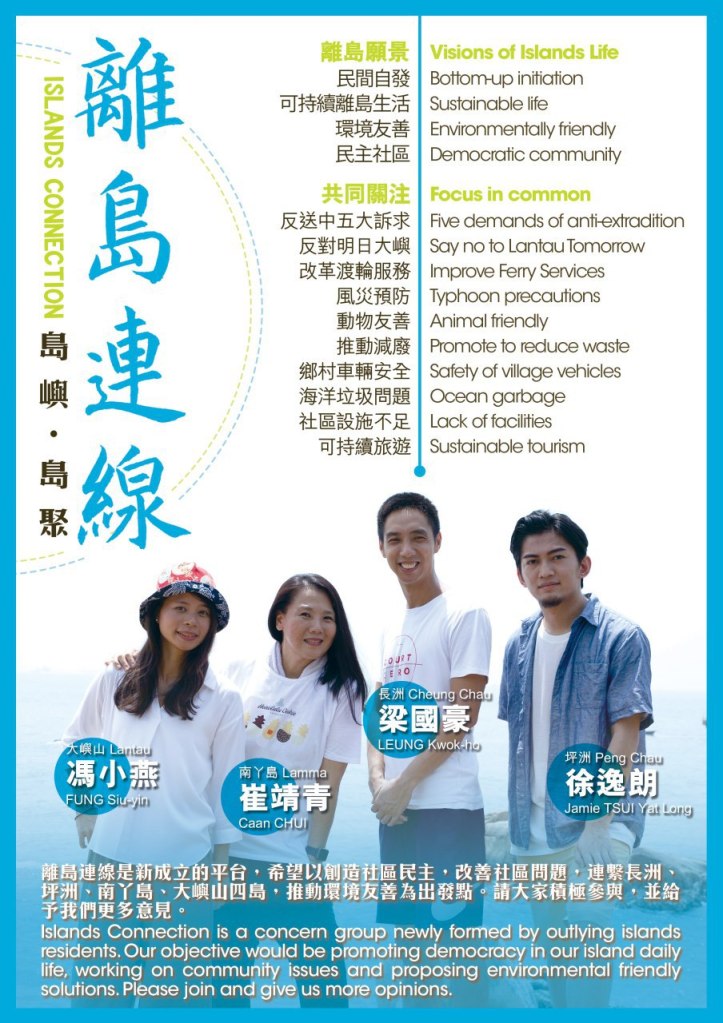
A new team has formed to compete for Islands District Council seats at the coming November 24 election.

The environmentally-friendly grouping, Islands Connection (離島連線) will field a candidate in each of the four outlying islands.

The prospective Lantau candidate, Fung Siu-yin, was raised in Tung Chung and is a Lantau community organiser.

Their platform endorses the five demands of the anti-extradition campaign, opposes the $600 billion Lantau Tomorrow Vision project, calls for better ferry services and road safety and for reduction in waste and ocean trash.

They describe their approach as “promoting democracy in our island daily life, working on community issues and proposing environmentally-friendly solutions.”

The campaign proper won’t start until after candidate registration takes place next month, but they face an uphill battle in the conservative Islands council.

Islands Connection: from left Fung Siu-yin (Lantau), Caan Chui (Lamma), Leung Kwok-ho (Cheung Chau) and Jamie Tsui (Peng Chau).

Of its 18 members, ten are elected and eight are appointed ex officio as representatives of their rural committees. Only two members are from the pro-democrat camp.

Lantau’s current member, Randy Yu, backed by all of the island’s rural committees, was elected for the first time in 2015 with 50.4% of the vote.

However, Eddie Chu (whose NT West seat includes Lantau),  believes there is support for change:

“In my experience during the election, many villagers, including indigenous villagers, are supportive of my election platform – conserve the environment and stop white elephant infrastructure projects – but they don’t have the confidence to come out. They want to come out as a group.”
Govt HK$550m Lantau Tomorrow funding request goes to Legco on Friday

As if Hong Kong politics were not combustible enough: the contentious Lantau reclamation project is back.

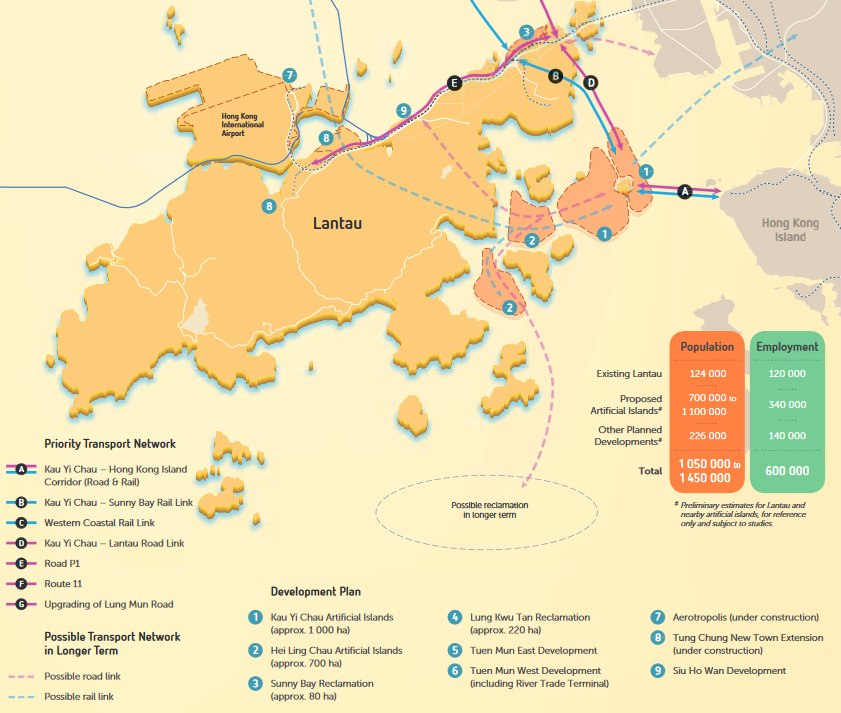
The HK$624 billion scheme to build a new CBD on reclaimed land near Lantau is the biggest and costliest in Hong Kong’s history.

The government will go to the Legco Finance Committee this Friday to seek final approval for HK$550 million for the first stage of the project – planning and engineering studies.

The proposal passed the public works subcommittee in May.

Under the scheme the government plans to create 1200ha of land for premium office space and housing for up to 1 million people around Kau Yi Chau, an island halfway between Lantau and Hong Kong.

A second stage, yet to be studied, involves building a further 500ha near Hei Ling Chau, just off Mui Wo.

Source: Sustainable Lantau Office

Critics have assailed the plan over its cost and environmental impact and poorly thought-out transport arrangements

They question the government’s figures and say it has ignored existing land stocks such as brownfield land and vacant government sites as well as tens of thousands of empty apartments.

In a briefing paper, the CEDD said it required the funds to proceed

with the planning of the KYC [Kau Yi Chau] Artificial Islands, including the formulation of detailed land use proposals, as well as the road and rail connections linking the KYC Artificial Islands with Hong Kong Island, Northeast Lantau and coastal area of Tuen Mun.

If it begins on schedule the study would complete in mid-2023, the paper said.

The biggest costs in the study are the consultants’ fees for the artificial islands (HK$190 million) and for transport infrastructure (HK$160 million).

Govt calls tender for fast(ish) broadband across rural Hong Kong

The Hong Kong government has issued tenders for its scheme to subsidise construction of high-speed internet to rural Hong Kong villages.

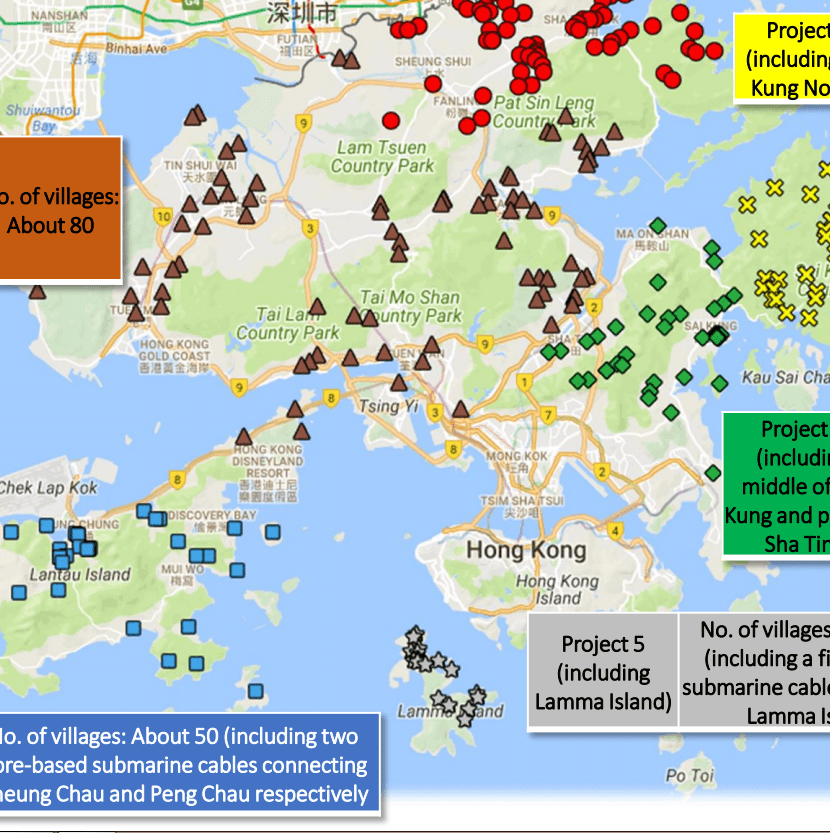
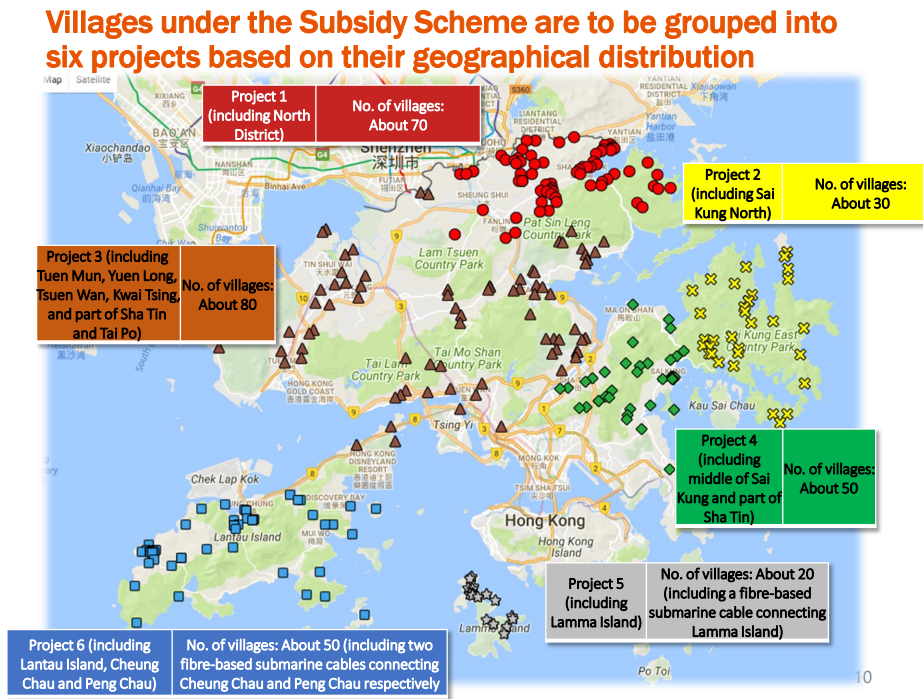
The project aims to build fibre connections to 235 villages across rural Hong Kong, including around 50 villages in Lantau, Cheung Chau and Peng Chau.

It also calls for the construction of new submarine cable links from Lantau to Cheung Chau and Peng Chau and between Hong  Kong and Lamma islands.

But those in remote villages hungry for fast broadband may have to be patient.

The scheme, which is divided into six areas across the New Territories and the outlying islands, is not expected to complete until at least 2021.

It only funds the rollout of fibre cable to the “entrance” of each village. Residents will then have to wait for one of the local telecom operators – most likely PCCW or HGC – to run connections to individual households.

It also provides for a minimum download speed of 25Mbps – a fraction of the Hong Kong average of 173 Mbps. Users are most likely to receive a service applying DSL technology on the existing copper phone lines rather than high-speed fibre to the home.

According to Ofca:

The subsidy scheme will subsidise the selected FNOs to roll out lead-in connections to the vicinity of the entrances of the villages concerned.

The subsidy scheme will also subsidise the roll-out of three submarine cables connecting Lamma Island from Hong Kong Island, Cheung Chau from Lantau Island and Peng Chau from Lantau Island respectively.

To encourage competition, the network operators will be required to open up at least half of the capacity of the subsidised network facilities for use by other operators for free.

The plan to subsidise the cost of rural internet construction was foreshadowed by CE Carrie Lam in her January 2017 policy address.

In a paper to the Islands District Council last year, Ofca said that 300 of Hong Kong’s 750 rural villages had a broadband download speed of less than 10Mbps.

Ofca has identified 32 villages in South Lantau and 13 near Tung Chung that qualify for the scheme.

The tender is open to Hong Kong telecom operators holding a fixed network operator licence.

Bidders are asked to stipulate how much subsidy they will require, the level of broadband services and prices, and the construction timetable.

The tender closes on September 10.

Background:

Islands villages eligible for the scheme

Islands villages already connected by fibre

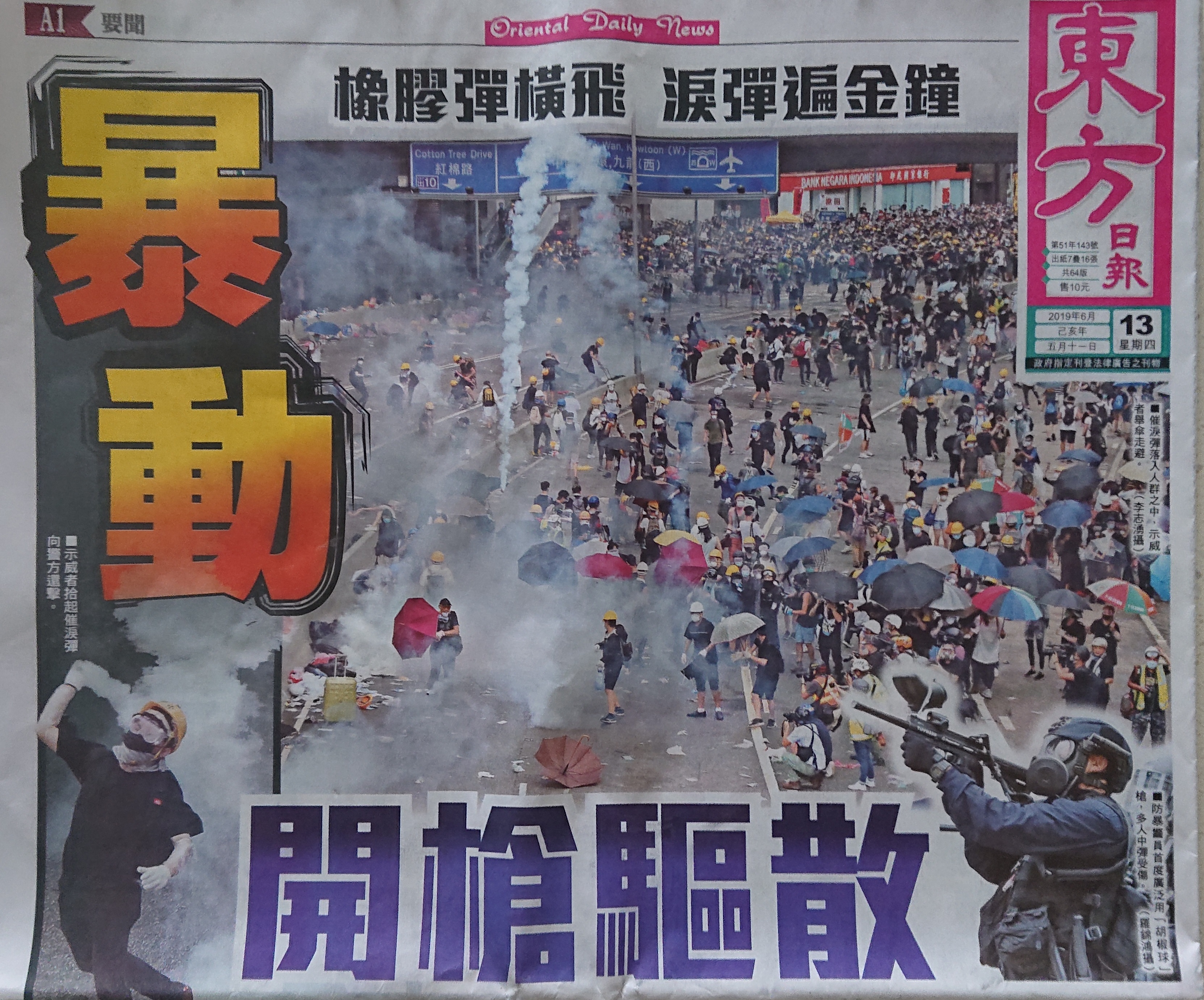
‘Riot’: How the Hong Kong press covered June 12

Newspapers may not be the force they used to be but the way they handle big stories is still revealing.

Following an extraordinary day in Hong Kong yesterday, let’s see how the main papers covered it.

Main headline: Riot

First up is the Oriental Daily News. Its editors deserve a certain recognition for this powerful front page, even though it is, to be frank, quite misleading.

Continue reading

May 4, June 4 and other whiplash

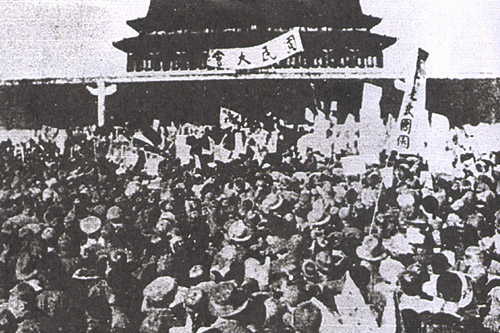
Source: Wikimedia Public Domain

Now we’ve despatched the organisers of an illegal student-led demonstration, let’s celebrate May 4.

For those not familiar, the May 4th Movement began as a protest against the unfair Versailles Treaty and became a genuine social revolution.

Like the Occupy and 1989 democracy movements, the students of 1919 took to the streets in defiance of an official ban. As with the later protests, it failed in its immediate aims but the spirit and ideology lived on. Continue reading

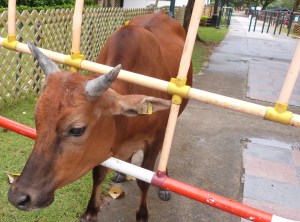
RIP Billy, Lantau’s favourite cow

South Lantau is today mourning the loss of Billy, the beloved cow who ran with a buffalo herd and became friendly, perhaps too friendly, with visitors.

Billy was found dead in the wetland field at Lo Uk after being missing for two days, according to Jean Leung, the friend and champion of Pui O bovines.

His cause of death is uncertain, but eight-year-old Billy had been unwell for some time, a result apparently of the consumption of plastic and other trash.

Chilling: Billy in the wetland

Three years ago government vets wanted to put Billy down after he became ill from eating rubbish or contaminated food.

Jean persuaded them to release him back to Lantau so he could live out his days with the buffalo.

But Billy was in fact lucky to make it to adulthood. At four months he lost his mother in a dog attack on the catchwater.

Billy the calf after his attack (Photo: LBA)

According to local vet Dr Joe Laraya, Billy suffered a giant puncture in his rump that required daily cleaning, meaning he could not be let back to the herd.

So Billy stayed at first with Joe and his partner Okka Scherer, and then in Ham Tin with Mel Potgieter, best known as the inspiration behind the Lantau Beer Dash.

As Mel explained in an interview in 2014, Billy grazed on her lawn but was keen to be a part of the family.  He would eat the dogs’ food, force his way into the house and rub himself against people’s backsides.

As he grew bigger they took him for walks, where he became friendly with the buffalo herd, to the point of challenging some of the males.

Banana for young Billy (Photo: LBA)

It became harder and harder to bring him home. Eventually, Mel got “fed up” and let him go.

He became a part of the Pui O buffalo herd and for years was a local landmark and talking point. Mel points out that when the herd was harassed by dogs they protected Billy equally – he was one of them.

But Billy lived a second life as an unofficial mascot of Pui O beach and a scourge of visitors to the picnic site. Most had never encountered a cow before and had no idea of how to deal with a bovine showing a healthy interest in their lunch.

Silly Billy (Photo: LBA)

It made for occasional spontaneous friendly encounters but also headaches for lifeguards and AFCD staff who had to separate Billy from the uneasy tourists shielding their lunch.

Sadly, Billy was unable to resist the trash that visitors left behind. Bins too often overflowed with too many things that found their way into his stomach.

He never fully recovered from the incident three years ago, but as Jean said, he was able to “live more than three years because he liked to stay with his family, the buffalos.”

Billy’s intelligence, friendliness and placid good nature brought pleasure to so many. He will be missed. RIP Billy.

Hong Kong wetlands face ‘significant’ threat after court ruling: LIM

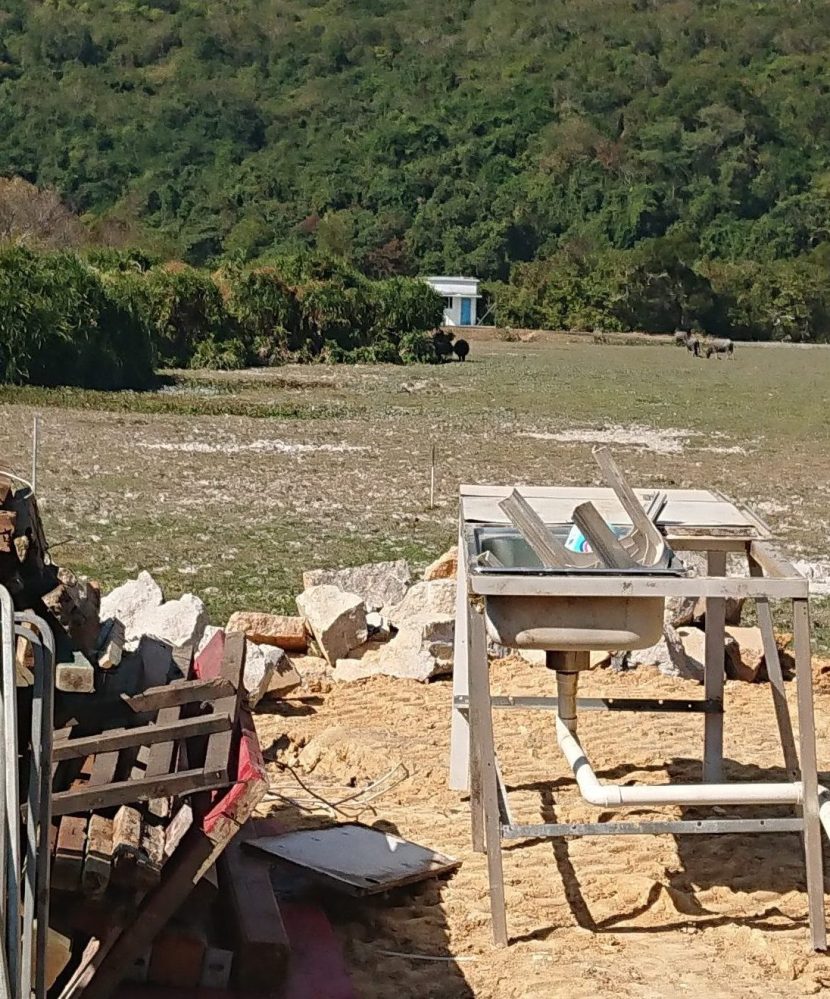
Hong Kong’s remaining wetland areas are under threat after a High Court has ruled the government cannot prevent landowners from dumping rubbish on wetland sites, green group Living Islands Movement (LIM) has warned.

Yesterday’s judicial review decision over the dumping of waste on a Pui O wetland plot “means that Hong Kong will likely now lose a significant amount of its last remaining wetland habitats,” LIM said in a statement.

“This land in question was zoned as ‘Coastal Protection Area’ by the Government and their intent that it should be protected was clear in the zoning regulations.”

A local resident, Christian Masset, had sought a judicial review into the approval by the director of the Environmental Protection Department (EPD) of waste dumping on a privately-owned Pui O allotment in 2015.

Under the Waste Disposal Ordinance, landowners are permitted to dump landfill on their own land, but must seek EPD approval to do so.

Masset had argued that the EPD director had the power under the law to refuse approval. However, Justice Kenneth Au ruled that the director did not have that power.

LIM said:

It seems illogical to us and other observers that the Hong Kong Government, leading a ‘World City’, would conclude that they have no authority to prevent a private landowner destroying a valuable wetland habitat which is also a biodiversity hotspot and home to rare and semi-rare species of wetland animals and plants. 

The landfilling related to this case has also destroyed part of the habitat sustaining Hong Kong’s last remaining feral herd of water buffaloes, a unique aspect of Hong Kong’s cultural legacy, something that should be valued and protected for future generations.

The case once again highlighted the ineffectiveness of the Hong Kong’s wetlands protection laws and the government’s unwillingness to confront developers and rural landowners.

The Sustainable Lantau Blueprint issued 15 months ago specifically calls for the preservation of South Lantau’s wetlands. But Chief Executive Carrie Lam says she sees no reason to change the law and refuses to condemn wetland dumping.

LIM called on the government to amend the legislation and implement statutory protections for Coastal Protection Areas. These were established by the colonial government 30 years ago for ecologically significant coastal zones across the city, but lack any enforceable safeguards.

LIM also expressed concern that it had taken two years for Au to issue his decision.

“This is a clear indication that the judicial process in Hong Kong is broken.  We ask the Secretary for Justice to explain this unacceptable delay and outline how she will fix the problem.”

Police seize $600,000 in ivory, cough syrup near Sha Lo Wan

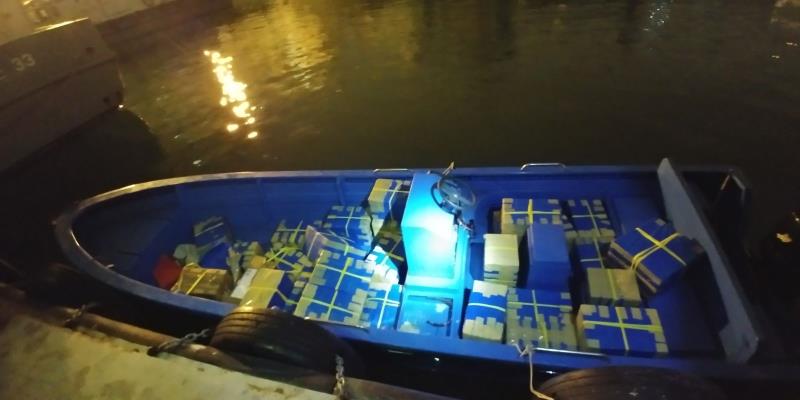
Police and customs officers seized a small boat and smuggled goods worth HK$600,000 in an operation off Sha Lo Wan yesterday.

In a joint operation they spotted a speedboat approaching Tung Chung River, Metro Radio reports.

Onshore five men were unloading goods from a private car for the speedboat.

As the boat departed, Marine Police gave chase,. forcing the occupant to abandon the craft in Sha Lo Wan and flee on foot.

Officers found 32 boxes aboard the boat containing ivory products, cough syrup and other products.

No arrests were made.

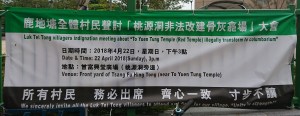
Luk Tei Tong villagers to protest today against ‘illegal’ columbarium

Luk Tei Tong villagers will hold a protest this afternoon over construction of a private columbarium inside a local temple.

They say the columbarium would breach land use regulations and result in a large number of visitors to the small village, which connects to Mui Wo by a single path.

Luk Tei Tong indigenous village head Tsang Wunwai says residents are unanimously opposed to the columbarium, which has been enabled by the introduction of a private columbarium law last year.

The To Yuen Tung Temple, which was built in the 1960s, has applied for a licence to build a private columbarium.

It is not clear how big the columbarium will be. According to an Oriental Daily report, the temple will have 4,000 slots for urns, while HK01 reports the number as “more than 1000”.

Tsang told HK01 that the columbarium would affect daily village life and called on the new Private Columbaria Licensing Board to reject its application. He said he wouldn’t rule out the possibility of blocking traffic to the village.

He said residents discovered that urns were being hosted on the site about five or six years ago and had complained to several government departments.

Indignation meeting today

The villagers argue that the project is illegal because the Lands Department has determined is that storing human ashes on the site breaches its land use provisions.

However, the application is now with the PCLB, along with more than 140 others.

The Food and Environmental Hygiene Department says the To Yuen Tung application was still being processed. It must prove to the licensing board that all requirements have been met, including land use, planning, fire safety and environmental impact.

The To Yuen Tung application is one of six such from across Lantau.

The Lands Department found that one site, Nim Yuen village near Tung Chung, was also in breach of land use rules, but the department lost its case before the High Court  to have it shut down.

Photo (top): Under construction (Source: HK01)

Man dies after fall from Kap Shui Mun Bridge

A 63-year-old taxi passenger has died after jumping over the side of the Kap Shui Mun Bridge early this morning.

The cab was approaching the Lantau Link toll plaza at about 2am when the man called for the driver to stop, saying he felt sick, Apple Daily reported.

The car halted in the slow lane and the passenger, surnamed Man, exited the vehicle and climbed over the railing at the side of the road.

After the driver sounded the alarm, Marine Police and Fire Department found the unconscious body of the man in the water following a 45-minute search.

The man died shortly after being admitted to Yan Chai Hospital in Tsuen Wan.

According to the Apple Daily, the deceased had worked as a driver, but was a heavy drinker which caused arguments with his family.

Last night he went out alone after a family dinner. He did not leave a note, but send a text message to his grandson, saying “Grandpa won’t be with you anymore.”

Photo: Apple Daily

Caritas Crisis Hotline: 18288

The Samaritans: 23892222