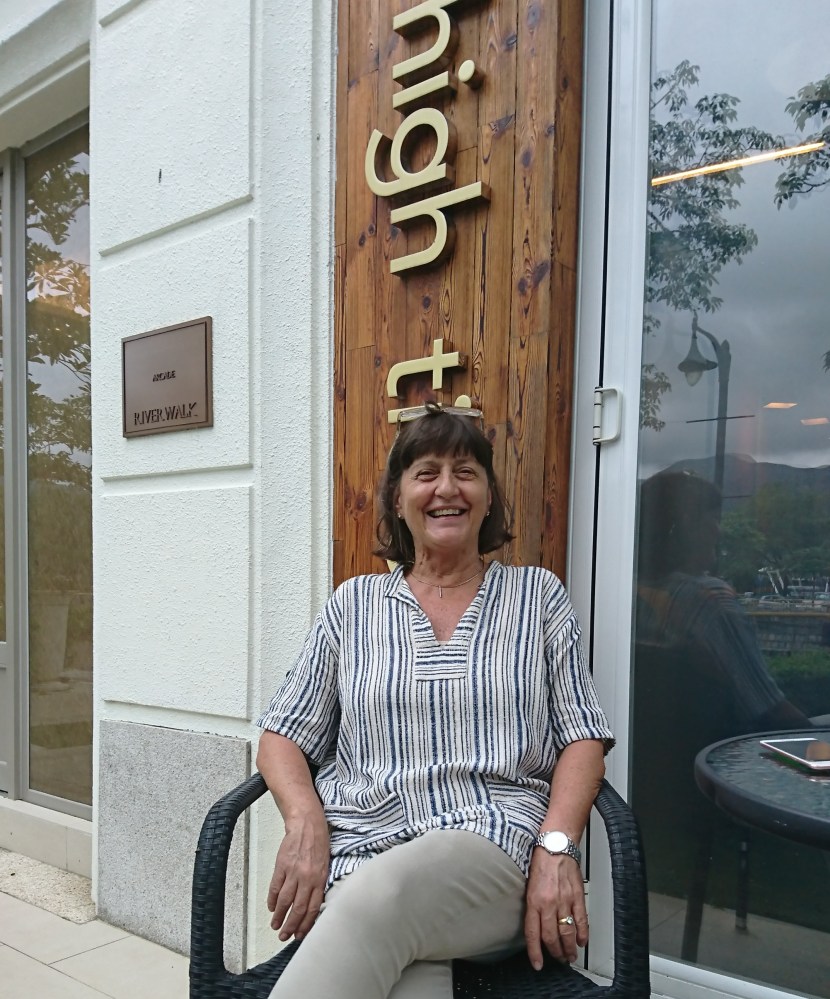
After 18 years on the beach, the Stoep gets new lease of life

It’s the end of an era. The Stoep, a landmark at Cheung Sha beach, has closed its doors.

It will live on in another guise, but the old Stoep was a much-loved restaurant that became a destination.

In its golden years people from all over Hong Kong flocked to the beachside eatery, savouring its sandy floor and laidback vibe as much its breads and boerewors. You could count the yachts moored offshore.
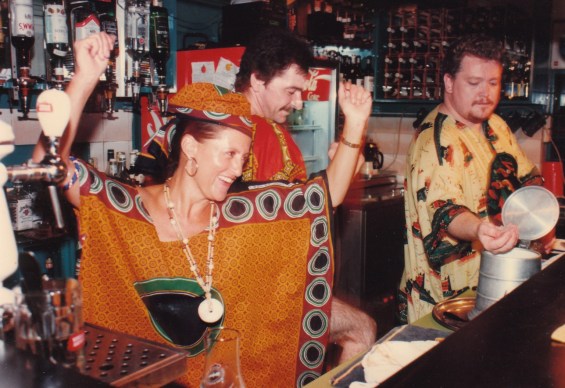
Dolla and team at the Gallery, late 1990s

Founder and co-owner Dolla Bruce, now preparing the new Stoep in Mui Wo, recalls that she fell into the restaurant trade by accident. She’d been a specialist in organisational development in South Africa, arriving here in 1994 with “a husband, a cat and three dogs.”

She quickly tired of being idle and found an outlet for her energies at the Gallery in Tong Fuk, in those days a weekend bar run by a Kiwi who was looking to retire. In those days there was no Lantau expressway or MTR. Just the slow ferry.

“Within three months, it was packed,” she says. “I brought my multibraai [barbecue] from South Africa and on the weekend I closed the kitchen and just cooked with the grill. You could smell the braai all across the village.”

It wasn’t just the villagers whose attention she caught. Governor Chris Patten so enjoyed his trek out to Tong Fuk that his chef called to ask for the seedloaf recipe.

Dolla said she didn’t have a recipe – it was all in her head. So she was invited to demonstrate how in the governor’s kitchen. She made her own trek, laden with ingredients, to Central. The governor’s bodyguard met her at the pier and whisked her to Government House, where she spent the afternoon baking in front of 11 chefs.
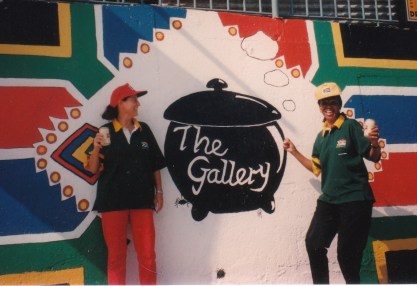
Dolla and Renee Mandela, daughter-in-law of the late President Mandela

The Gallery days ended when out of the blue she received another phone call – did she want to take over a vacant space at Lower Cheung Sha?

So Dolla started up the Stoep – Afrikaans for verandah – and the legend began.

It was 1999. The owner had spied an opportunity and was buying up properties on the beach.

“There was nothing on the beach at the time – just one Chinese restaurant next door,” she said.

A slew of other restaurants and beachside businesses sprung up in the Stoep’s wake. On summer weekends the small space is clogged with cars and visitors.
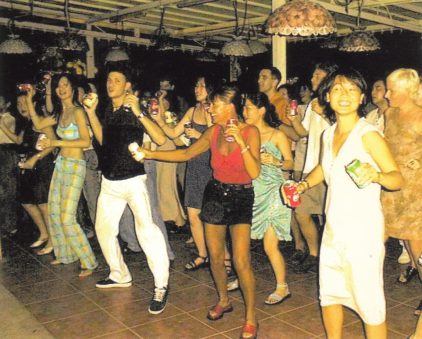
Dolla (front, second from right) in the thick of dance action at the Stoep

“Because of Stoep, Cheung Sha became very, very popular,” Dolla says.

Perhaps too popular. In 2014, her landlord decided not to renew the Stoep’s lease. A new tenant moved in. The Stoep moved around the corner to another site near the beach.

But then the lease ran out for High Tide, the Thai restaurant run by business partner Mei Tai, and she had to exit Cheung Sha after more than a decade.

Mei and Dolla are friends – they met the day Dolla arrived in Hong Kong – and shared the workload across their businesses. That means anything from shopping to keeping an eye on the other restaurant. When Dolla took an eight-year sabbatical from Hong Kong, Mei managed both.

She reopened High Tide at the new Riverwalk building in Mui Wo, but at that distance it was difficult to work together.  They discussed it earlier this year and agreed – one restaurant had to go.

“Yes, it was heartbreaking,” Dolla admits. But she also thinks business was getting harder at Cheung Sha.

“The transport situation is becoming very diabolical. Weekend after weekend, people were calling to cancel after waiting two hours for a ride.”

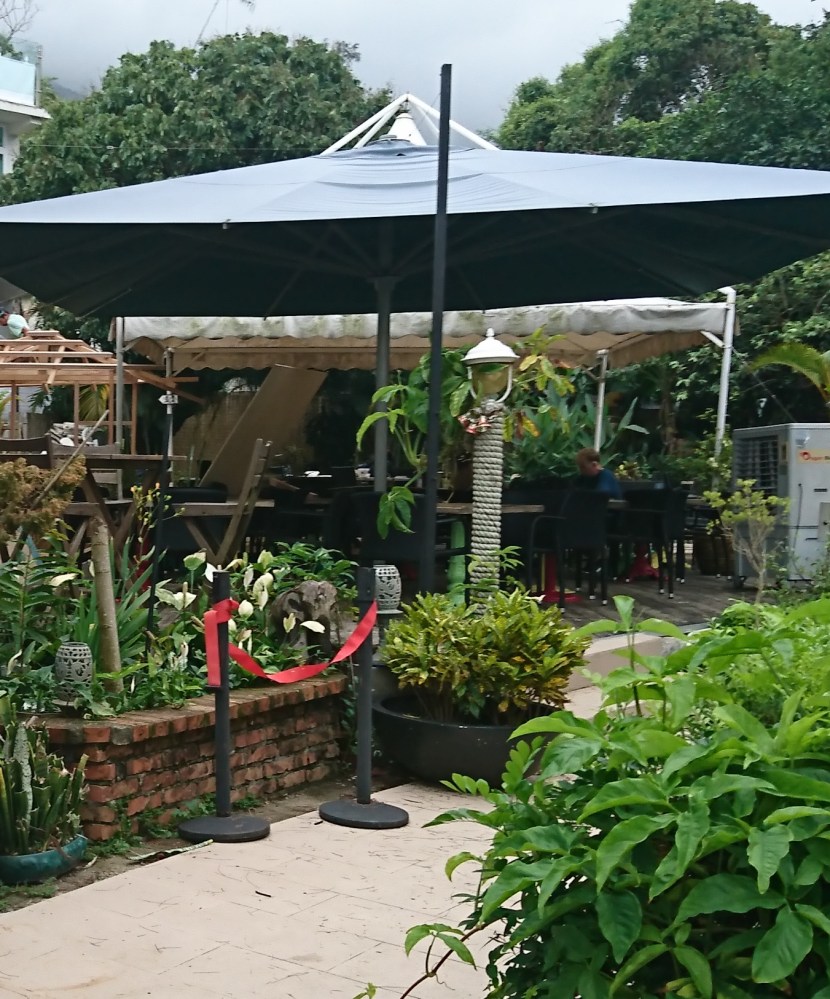
The new Stoep

Now she has rejoined Mei at Riverwalk in a new venture called Stoep at High Tide.

The place is currently closed as they renovate and revamp the kitchen. It doesn’t have an opening date – “some time in July,” Dolla says.

She will still bake bread and “keep the things that worked at the Stoep.” It will have an Asian section and a  bar at the front of the house.

Dolla is relishing some of the advantages of her new location. The landlord is a professional management team, so she’s not wrestling with maintenance tasks.

Plus the new site means a different flow of customers.

“We are expecting a more even trade. On the beach it’s feast and famine. When the sun comes out, everybody comes Here, if it’s cold they come in, if it’s hot they come in.”
Police seek blue taxi over Shui Hau hit-and-run

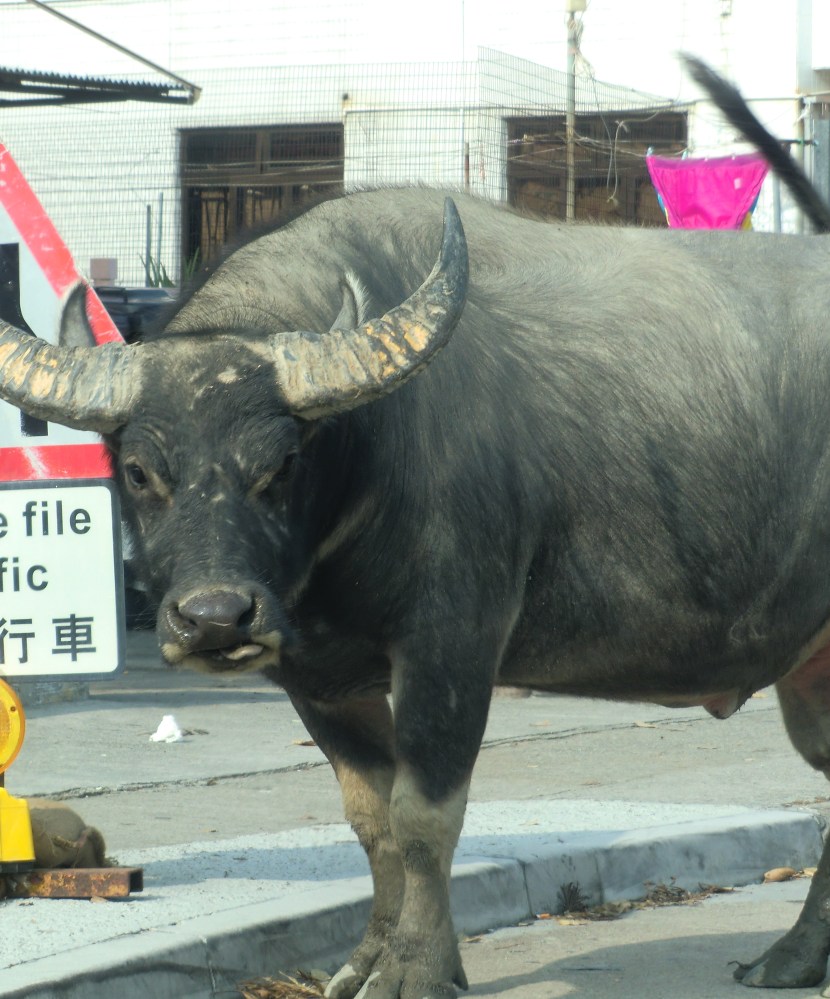
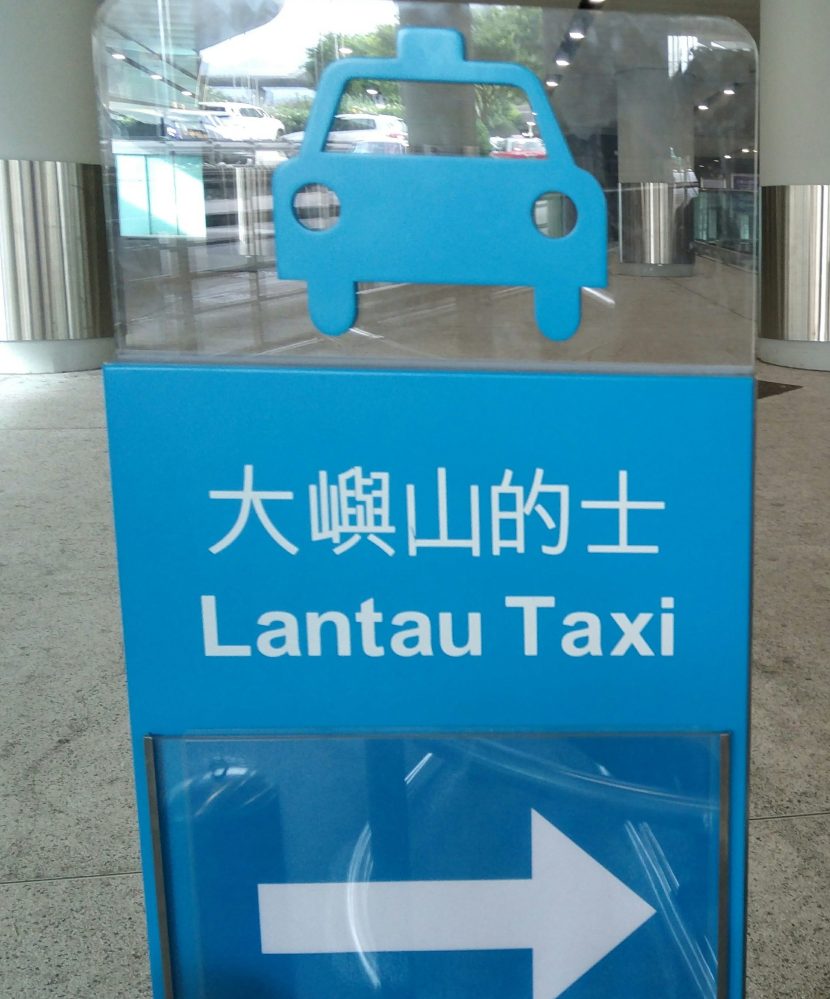
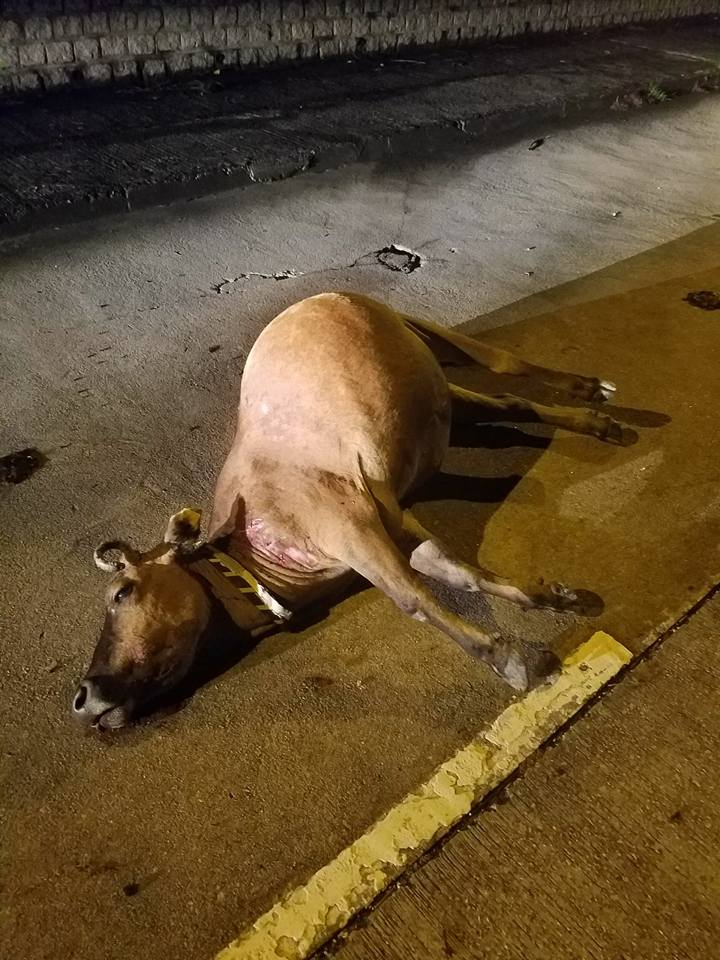
Police suspect a Lantau taxi was involved in a hit-and-run accident at Shui Hau early today that killed a cow.

They are interviewing a cab driver in relation to the incident. They believe the taxi has been taken to a Cheung Sha Wan garage for repair.

They also seek three passengers believed to have taken a cab from Tai O to Tung Chung between 2:00 to 4:00 am today.

A female cow died on the road between Shui Hau and Tong Fuk in the early hours this morning.

Police arriving at the scene at 4:15am found the animal (no 228) had died and the driver had fled. They found fragments of a vehicle indicator light on the road and are calling for public assistance.

It is the second time in less than two weeks that a vehicle has struck a cow at that location, approximately a kilometre west of Tong Fuk.

The Lantau Buffalo Association and members are offering HK$5000 reward for information that leads to the arrest and conviction of the driver responsible for the death.

They are calling for passengers in the cab, or other witnesses, to come forward.

Anyone with information about the incident can call New Territories South Traffic Investigations Team on 36611300, Lantau traffic police on 36612780 or LBA Hotline on 81036312.

Govt to sell Cheung Sha site for new homes

The Cheung Sha strip near the San Shek Wan roundabout looks set to grow further as a prime residential property location.

A 2480 sq metre site just 200 metres west of the roundabout will go on the block as part of the government land sales in the next quarter, Development Secretary Eric Ma announced Friday.

The site, Lot 763 in DD 332, is on the coastal side of South Lantau Road, opposite the police station. It is near a 1440 sq metre residential site sold four years ago, now an upmarket residence.

The location, just ten minutes from Tung Chung and Mui Wo, offers the attraction of the island lifestyle with relatively fast access to the rest of Hong Kong.

Much larger slices of land at Tai Po, Cheung Sha Wan will also go on sale, Ma said. Altogether they will supply 1350 new homes.

New homes built after the last land sale

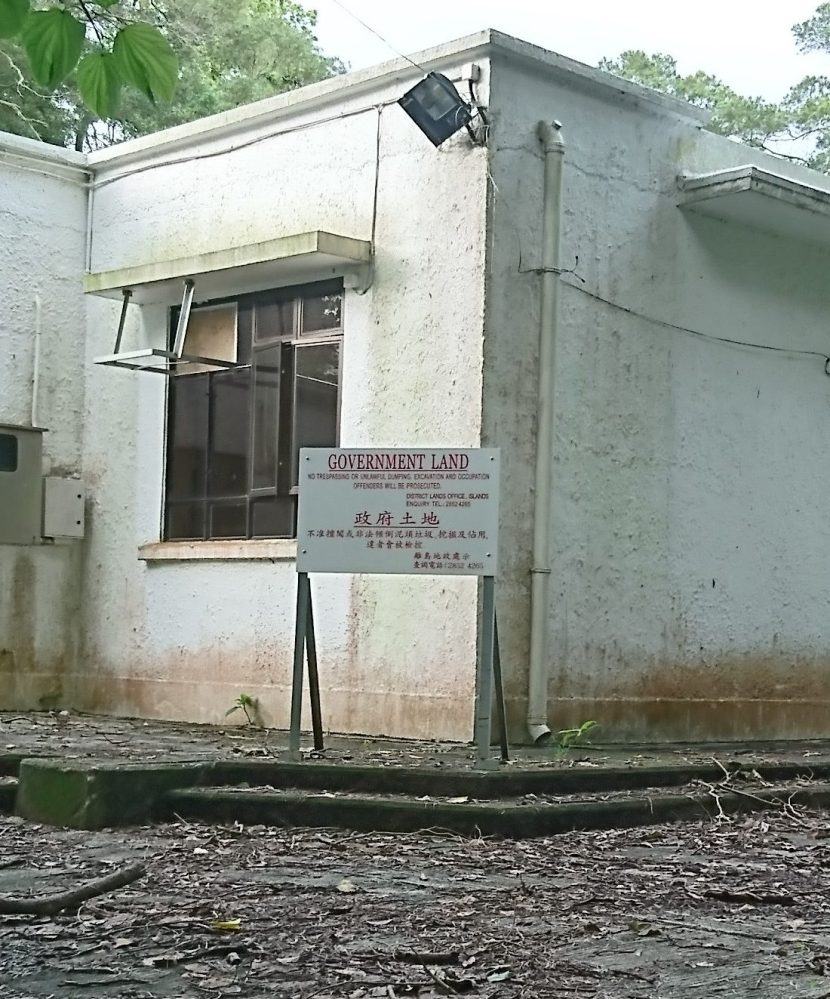
Butterfly Hill development breaches planning rules

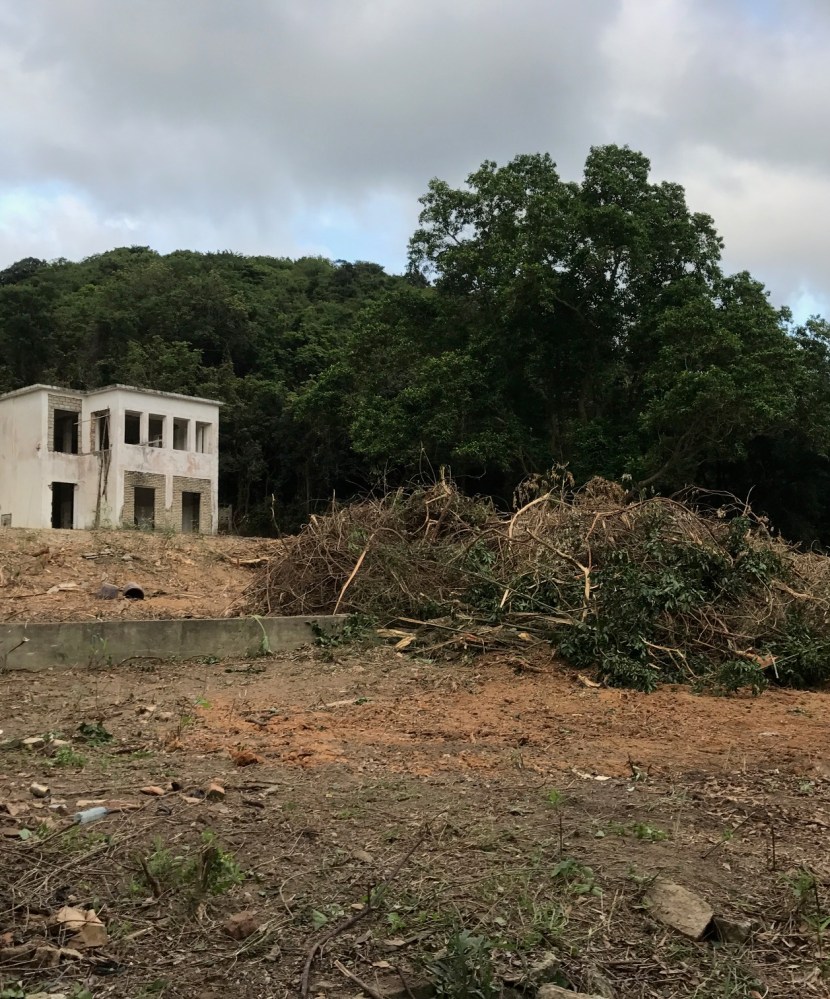
The construction of a new road, and plans to build new homes, on Butterfly Hill appears to be a clear breach of planning rules – but government agencies are unwilling to act.

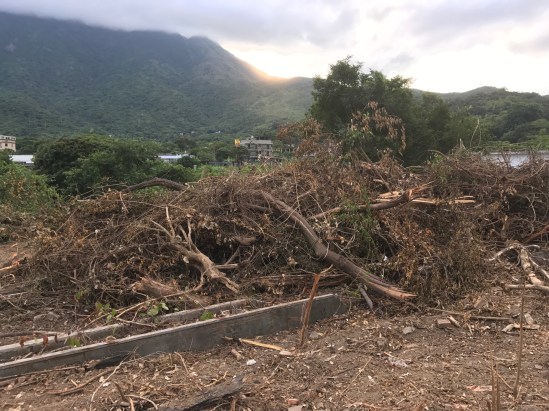
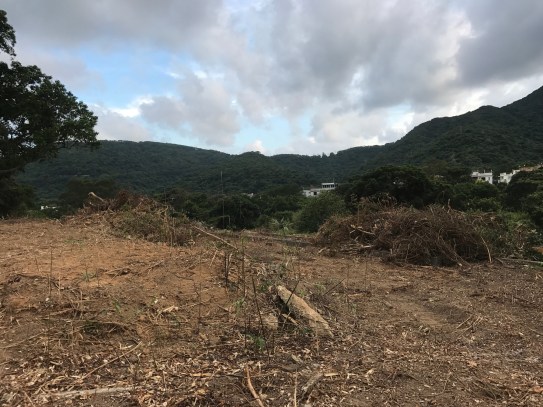
In the last six months a developer has cleared approximately a hectare of trees and vegetation and built a new road on the site, just northwest of old Mui Wo town. The developer is reportedly planning to build five homes.

But neither the Buildings Department nor the Planning Department has received an application for new housing or roadworks, Apple Daily reports.

The Planning Department said the land is zoned for agricultural use under the Outline Zoning Plan. Any kind of reclamation or building works would require the permission of the Town Planning Board. It would investigate any potential breach of the Town Planning Ordinance, it said.

Land clearance

However, Miffy Ng from Save Lantau Alliance says she had the same response when she informed the department of the construction work in March.

“It is clearly not to develop agriculture,” she said. She warned that the land was no longer protected by vegetation and was concerned about the risk of mudslides. “The ecology has been destroyed and the need for conservation is urgent.”

Ownership of the land is unclear. It is registered to Keymax Holdings (基明集團有限公司), which is wholly-owned by a British Virgin Islands registered company called Acota Services Ltd.

Butterfly Hill today

Photos: Sacks of tortoises dumped on Mui Wo dock

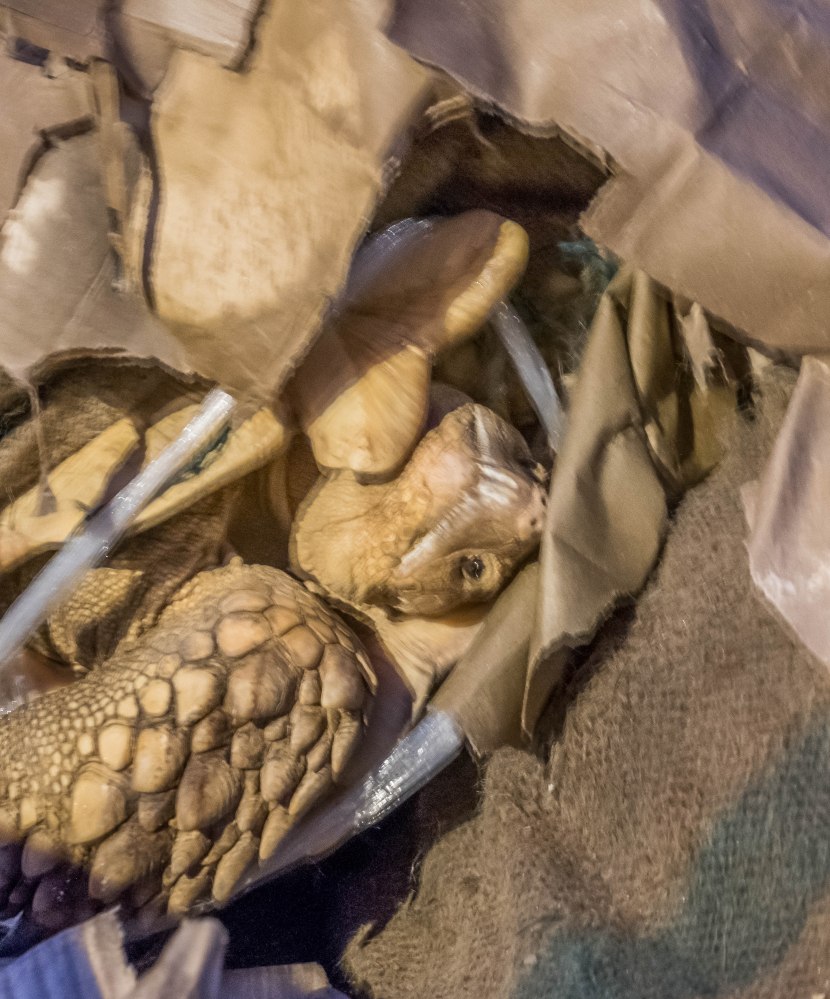
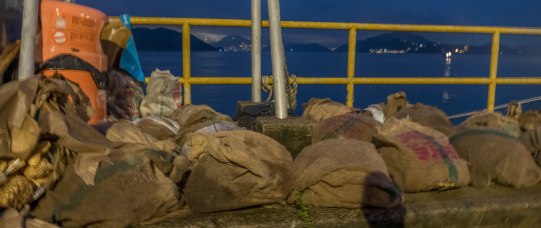
Photos obtained by Lantau News throw further light on the attempt to smuggle African spurred tortoises on the weekend.

Local fisherman found the tortoises in sacks on the Mui Wo dock on Saturday evening and called the police.

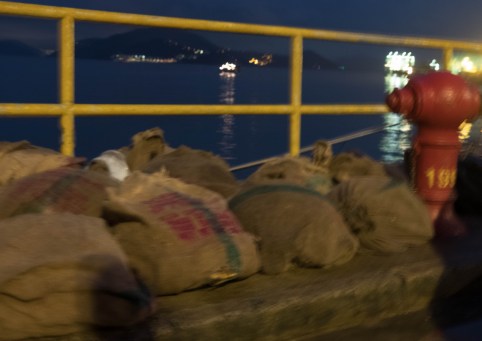
Just some of the sacks of tortoises on the dock

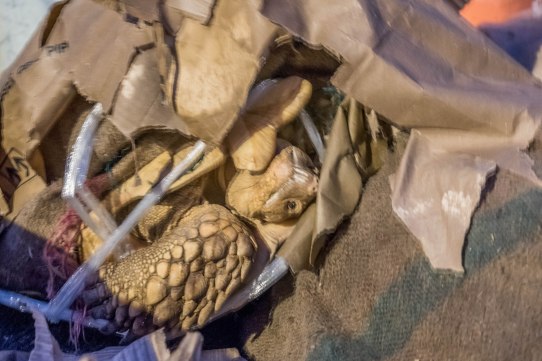
The photos reveal many of the tortoises were full-grown adults and some had been kept in distressing conditions.

Tortoise lying on its back


The resident who passed on the photos  (who asked to remain anonymous) said the sacks appeared to have been dumped on the dock by the would-be smugglers. Some sacks had broken open, revealing some tortoises lying on their backs.

He said it wasn’t clear if the creatures had been brought by boat or were waiting to be collected by boat.

More abandoned sacks of tortoises

The African spurred tortoise is the world’s third largest tortoise and is a popular pet. Trade in the species is illegal under the CITES treaty.

Another attempt to smuggle large African tortoises into Lantau

Around 20 young African spurred tortoises were found abandoned in Mui Wo last night – the second local incident involving the species within two weeks.

Ten days ago police found an African spurred tortoise among a haul of items confiscated from smugglers in Tai O. The latest incident appears to also involve an unsuccessful attempt to smuggle the creatures into Hong Kong.

A man reportedly came across the tortoises in a bag in the car park next to the Mui Wo Ferry Pier Road dock at about 6pm and called the police, Oriental Daily reports.

An AFCD spokesperson said 19 tortoises – each about 30 cm in length – were found in several linen bags in the car park and had been brought back to the AFCD’s Animal Management Center in Sheung Shui for temporary care.

The African spurred tortoise is the world’s third largest tortoise, capable of growing to 83 cm. It takes 15 years to reach maturity but live for more than 100 years.

It is listed under the Endangered Species Ordinance, meaning that owners must be able to establish its legal provenance, such as the invoice issued by the store.

They are not endangered but import and export are banned under the CITES treaty and they classified by the UN as vulnerable because of the disappearance of their habitat and their popularity as a pet.

Police are searching for the owner of the bags.

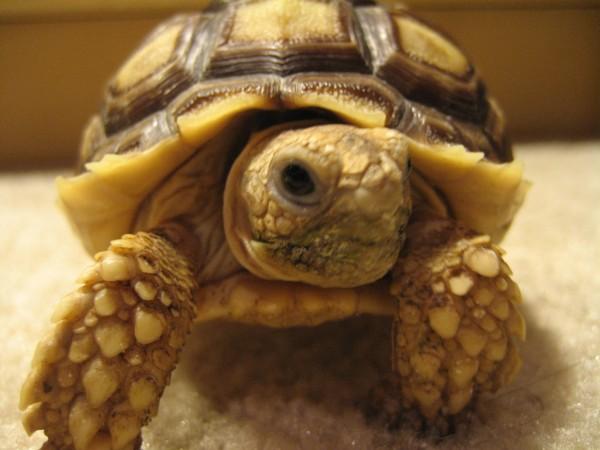
Photo: A young African spurred tortoise (RyanSeiler, Wikimedia

A taste of the Caribbean at Cheung Sha

We’re going to be liming at Cheung Sha this summer.

Di Jerk Shed, Lantau’s first Caribbean restaurant opens today at the site vacated by the Stoep, just a few steps from the Cheung Sha sands.

Lantau News spoke to Larry la Guerre, a Hong Kong Airlines captain and Tung Chung resident, and co-founder Phil St Hill, a fellow pilot who hails from St Vincent.

Larry (left) and Phil: Bringing the Caribbean experience

Q: What makes a successful airlines captain jump into the Hong Kong restaurant scene?

You can find Caribbean food in places like New York, London and Toronto but there’s nothing in Hong Kong. We have so many expats here and the Caribbean is a long way away. We want to bring the Caribbean experience here.

Q: What is Di Jerk Shed going to offer?

There will be Caribbean food, like Jamaican jerk – chicken, pork, wings. Plus doubles from Trinidad, which is like pita, with split peas in the middle, and roti.

You can’t get alot of the ingredients here. There’s nothing remotely like pimento in Hong Kong, so we’re bringing them from North America.

For drinks there is rum Julep punch, and we’re trying to order in Red Stripe lager from Jamaica.

And there’s music. Reggae and calypso – Bob Marley, Might Sparrow, Peter Tosh – classic reggae from the 70s to the 90s.

Q: What kind of vibe are you aiming for?

You go to a restaurant in the Caribbean and you don’t see just one colour or culture. There’s a huge diversity and that is reflected in our food.

We also have a word ‘lime’, which means to hang out. We want people to lime – relax, kick back, enjoy the music, the beach, the food.

Q: This is a very seasonal location – most of the business takes place in the space of four months. What will you do for the rest of the year?

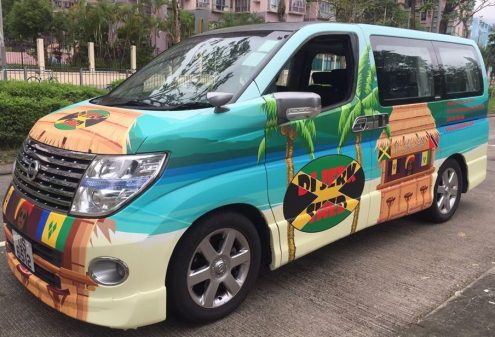
Getting here is the biggest challenge people face. We will offer free transportation to Cheung Sha with our van – that will be a scheduled service to North Lantau.

We’re going to get local residents involved. We’ll hold events like Latin dance night, we’ll have a residents’ VIP card with special offers, and we’re also marketing to airline crews. We will have crew nights, with 30% discount.

Q: How did the two of you get together?

[Larry] I worked here from 2002 to 2007 and then came back to work for Hong Kong Airlines in 2012. My wife loves it here.

We bumped into each other last year. Phil used to run a chain of successful bars on Phuket, and we both had exactly the same idea of bringing the Caribbean experience to Hong Kong.

We were looking for a location and when this spot became vacant we both thought this had it all – beach, sun, sand. Perfect for liming.

What: Di Jerk Shed

Where: G/F, 50 Lower Cheung Sha Beach, South Lantau

When: Daily

Phone: 2234-JERK

Website: www.dijerkshed.com

How to safely share the road with Lantau cattle and buffalo

Two nights ago a female cow was struck by a car on South Lantau Road.

Fortunately she suffered no more than abrasions and should quickly make a full recovery. Others have not been so lucky.

According to the Lantau Buffalo Association (LBA) three bovines have died on local roads since the beginning of last year – two adults and one calf. Last month a bull died after being struck by an unknown vehicle at Shap Sze Tung near Sai Kung.

The three worst blackspots are the South Lantau section of Tung Chung Road, the bend at Cheung Sha by the police station and South Lantau Road near the Shui Hau football pitch.

Cow 658: Lightly injured after being struck near Tong Fuk on Wednesday night

If you are a driver on Lantau roads, you must be cattle-aware. This means observing the speed limit, approaching bends and blind spots cautiously and having some familiarity with their behaviour.

Bovines are not fast and skittish animals – they will not jump out in front of traffic. But you must be aware that you may encounter one on the road suddenly when you round a bend.

You should also be alert to local cattle moving to or from their overnight shelter late in the afternoon or early mornings.

If you are an experienced local driver, you most likely have already adopted these practices. Police and LBA data suggest that a high proportion of accidents involve drivers inexperienced in Lantau conditions – the narrow roads, the slower speeds and the cattle movements are not found in the rest of Hong Kong.

If you are involved in an accident with a cattle or buffalo, you must remain at the scene and render assistance, just as you would if you had hit a human pedestrian. Leaving the scene could incur up to 12 months’ jail time and a $10,000 fine.

As with any other accident you should call the police.

Cow 92: Struck near Cheung Sha police station in January 2016, breaking her rear leg. Had to be put down by AFCD vet.

If the animal is injured, you should also call one of the local cattle groups (see below). They or the police can call the AFCD Cattle Team, which can provide professional assistance. It can take more than an hour for them to arrive, however. Local groups can assist in the meantime in making an early assessment of the injured animal and providing some basic aid.

Remember that often after an accident an injured animal may wander away. You can assist by watching and if necessary following the animal – often they may stray into the bushes at the side of the road and become hard to find. Do not assume that the animal is unhurt because it is walking.

If you are a passenger or a passer-by this also applies – you can help by observing the injured animal until the vet arrives.

Our bovine populations are one of Lantau’s treasures – be sure you make room for them on the road.


Contact numbers

LBA Rescue Hotline: 8103 6312

PALS: 9197 4371

SPCA: 2984 0060

Tai O Community Cattle Group: 5181 4406


Pui O wetlands now facing caravan park threat

A caravan park is the latest threat to Pui O’s shrinking wetland.

A local landowner has applied to build a “temporary” caravan and camping ground and “ancillary hobby farm” on a number of allotments south of South Lantau Rd behind the Garden Plus store.

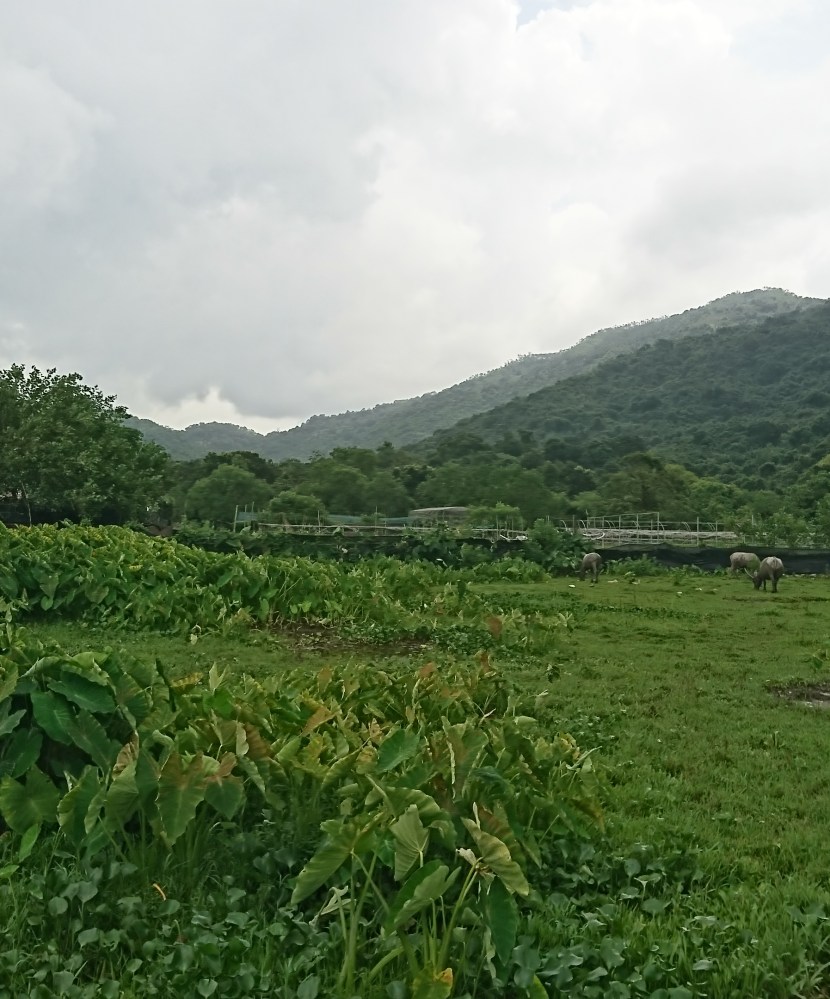
Much of the area covered by the application is currently open wetland and buffalo habitat.

It is a designated Coastal Protection Area (CPA), but Edward Yiu, Legco member for the architectural sector, said he believed a loophole allowed the operation of caravan parks in CPA zones.

The proposed site

If approved, it would be one more blow to Pui O’s besieged wetland, which is steadily contracting as a result of dumping and creeping development.

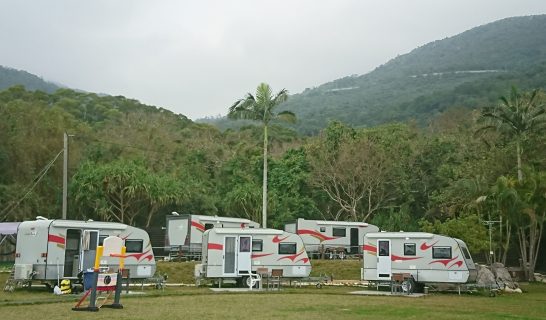
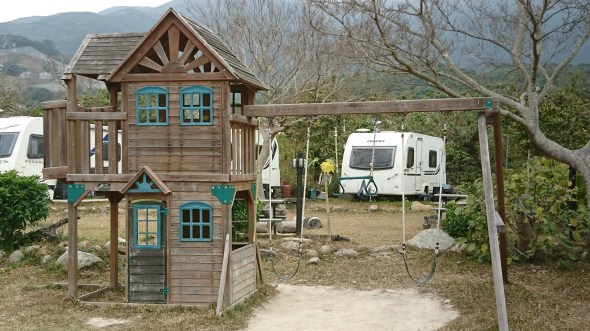
It would also be South Lantau’s third on-site caravan park. A dozen vans have been available for hire on CPA-zoned land at Tong Fuk since 2013. A second one opened at Cheung Sha last year, though it did not apply for TPB approval until February.

Welcome Beach caravan park, Cheung Sha

The latest application was lodged with the Town Planning Board on May 16. Just two weeks later the government released its Lantau blueprint that stressed “conservation of Pui O wetland” as one of its prime conservation objectives. But the report went no further than saying steps to conserve the ecologically sensitive site “are being explored.”

The area under application takes an unusual shape for a caravan park, with two sections in the middle of the site excised. Three smaller sections beyond the main boundary are included, possibly for the hobby farm.

Tong Fuk Caravans

The Pui O wetland, a marshy territory of around a dozen hectares between South Lantau Road and the coast, is not a natural wetland but is abandoned and previously heavily polluted agricultural land that has been regenerated by the presence of buffalo. The combination of buffalo waste and the churning of the soil by their hooves in the past 20 years has brought the wetland to life and created Lantau’s iconic tourist attraction.

Despite the name, the CPA does not provide any protection. It has no enforcement mechanism. As a result, the buffalo habitat has been incrementally shrinking every year. Local environmentalists and senior officials agree that the most likely solution is for the government to bring the wetlands under protection by doing a land swap. They see the land swap at Sha Lo Tung, aimed at protecting its diverse dragonfly species, as a significant precedent. It is the first of its kind for conservation purposes in Hong Kong.

Under Hong Kong’s kafkaesque planning laws, only land designated for development can be protected by the Environment Protection Department (EPD).

The EPD cannot prevent dumping on privately-owned wetland but in an equally surreal twist it has the power to approve dumping. A judicial review is now before the courts challenging the EPD’s director’s green-lighting of dumping on Pui O wetlands.

The case has been heard by Justice Au but the ruling is not expected to be handed down for several months.

Photo (top): Proposed caravan site, Pui O 

NOTE: This story has been updated to include the announcement of the Sha Lo Tung land swap.

Lantau cab driver arrested for overcharging during typhoon

A taxi driver called Ho must be one of the unluckiest people in Hong Kong.

The 60-year-old Lantau taxi driver was arrested by police last night for overcharging fares during Typhoon Merbok, HK01 reported today.

Following complaints about cabs refusing fares and hiking prices during typhoons, plainclothes officers went to the Tung Chung MTR taxi stand at 5pm, just before T8 was hoisted.

A cab driven by Ho arrived at the rank and, after asking their destination, he allegedly asked for a fare well above the standard price.

Ho was arrested under section 40 of the Road Traffic (Public Service Vehicles) Regulations, which forbids a driver from asking for an inducement, with a penalty of a $10,000 fine and six months jail.

This police sting might prompt surprise among regular customers of Lantau cabs, where soliciting for higher fares is a widely-reported practice.

Among Hong Kong taxis in general, raising the price during the typhoon is also not unusual because of the limited number of cabs and the urgent demand.  The arrested driver can count himself unlucky.