
Category: Incinerator
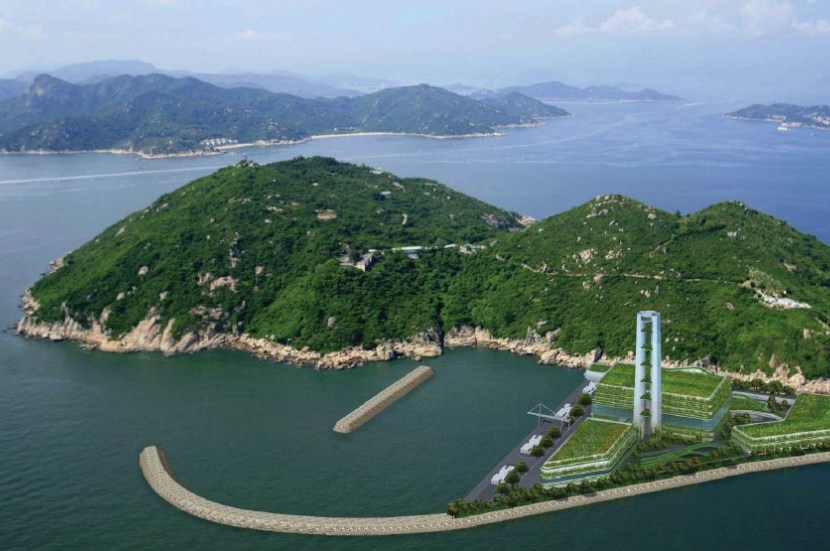
EPD issues HK$31b contract for Shek Kwu Chau incinerator
After years of delay and controversy, the Environmental Protection Department (EPD) has finally issued the tender for the construction and operation of the waste incinerator on Shek Kwu Chau.
A Singapore-China joint venture, Keppel Seghers-Zhen Hua, has won the main tender to build and operate what is officially known as an integrated waste management facility.
The EPD has not disclosed the size of the contract, but Singapore-based Keppel-Seghers says it will be worth HK$31 billion.
The incinerator, just off Chi Ma Wan, will be built on a 16ha site at the south end of the island.
It will burn approximately 3000 tonnes of municipal waste daily after it comes into service in 2024.
Just 200 tonnes of that amount will be recycled, while several hundred tonnes of ash will be shipped by barge to the Western New Territories (WENT) landfill site at Tuen Mun.
It will also generate up to 480 million kilowatt hours in electricity capacity per annum – equivalent to 1% of Hong Kong’s total electricity consumption – that can be exported to the grid.
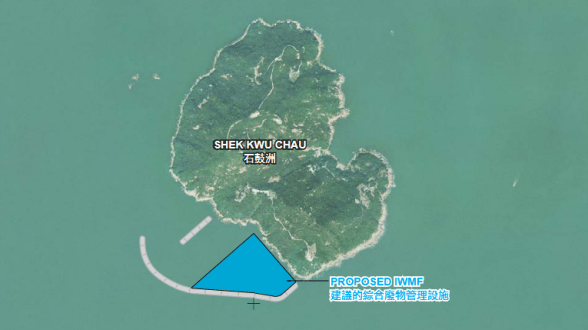
Keppel-Seghers says the construction, to be carried out by Zhen Hua, will “involve the reclamation of an area of about 16 ha, design, engineering and construction of breakwaters, as well as of the IWMF, and its related port facilities on the reclaimed island.”
Keppel Seghers will provide its proprietary waste-to-energy (WTE) technology, which has been successfully deployed for over 100 WTE projects around the world, as well as WTE project implementation and execution of the mechanical treatment plant, power island and desalination facilities.
After the plant is commissioned Keppel has won the right to operate it for 15 years.
The government has argued that the incinerator, first proposed in 2008, is essential for the city to deal with its mountain of household solid waste, estimated to be 5.7 million tonnes in 2015, of which the EPD says just 35% was recycled.
But the project has been criticised for its location, cost, use of old technology and its impact on air quality and marine life.
The initial site of Tsang Tsui was vetoed by rural kingmaker Lau Wong-fat because it was located next to his home village of Lung Kwu Tan.
It sparked a series of protests and a judicial review from a Cheung Chau resident on health grounds. Former EPD deputy secretary Christine Lou even described it as “dioxin-spewing”.
But with construction about to begin, the incinerator, fumes and barges are to become a permanent feature of the South Lantau coast.
Lam promises Lantau conservation cash and a start on Shek Kwu Chau
Cash for local conservation projects, a solar power trial and the start of work on the Shek Kwu Chau incinerator top the list of measures affecting Lantau in Carrie Lam’s first policy address.
Lam announced she would make available funding for “countryside conservation initiatives” in areas of Lantau, including Pui O, Tai O and Shui Hau. She said the government would

The Environment and Conservation Fund is a government body, set up in the mid-90s, which in its last funding round in 2013 was granted $5 billion.
A new body, the Countryside Conservation Office, may also be a source of funds for Lantau conservation. It has a $1 billion kitty and a brief to “co-ordinate conservation projects that promote sustainable development of remote countryside.”
Another green project on the drawing board is the implementation of large-scale floating solar farms on the surface of Shek Pik and a dozen other Hong Kong reservoirs, following successful trials at Shek Pik and Plover Cove.
The project with possibly the biggest impact on South Lantau in the coming years could be is the Shek Kwu Chau incinerator – officially known as ‘the integrated waste management facilities.’ Work on the project, just one kilometre off Lantau’s south coast, is due to get underway soon.
The EPD issued a tender for the $21 billion project last December. Lam said the government intended to
Complete the tendering exercise and commence the design and construction works for the phase 1 project of the Integrated Waste Management Facilities for [municipal solid waste] treatment.
As reported earlier, most Lantau commuters will likely qualify for the planned fare subsidy scheme.
In other initiatives:
* A “district cooling system” is under consideration for the new development projects at Tung Chung and the HK-Macau bridge landing zone. A district cooling system is a centralised system of chilled pipes that can cool multiple buildings.
* Lam confirmed the government would go ahead with a review of the city’s heavily-subsidised ferry services, including the possibility of extending the licensing period or even offering subsidies for vessel replacement.
* The CE said she would encourage “the extension of optical fibre networks to villages in rural and remote areas.” Currently 117,000 people in 380 villages lacked access to high-speed fibre, Lam said.
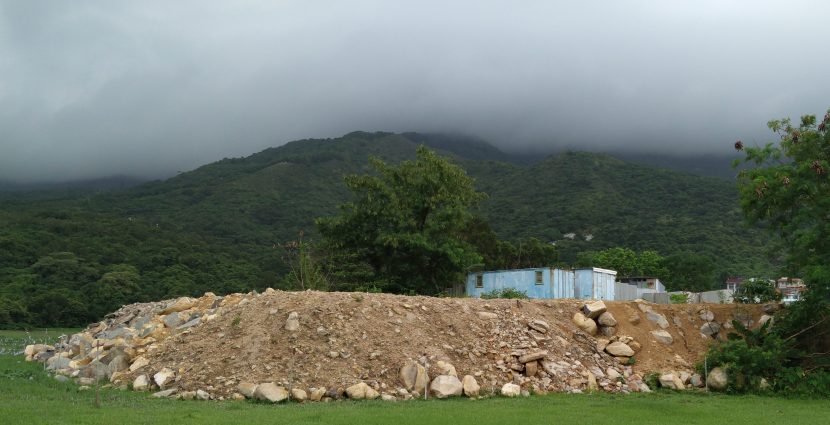
Photo (top): Pui O – ready for conservation?
Declare independence, save Lantau
Public consultation (or ‘consultation’) on Lantau development is in its final week. On recent evidence it is difficult to believe it will make a difference.
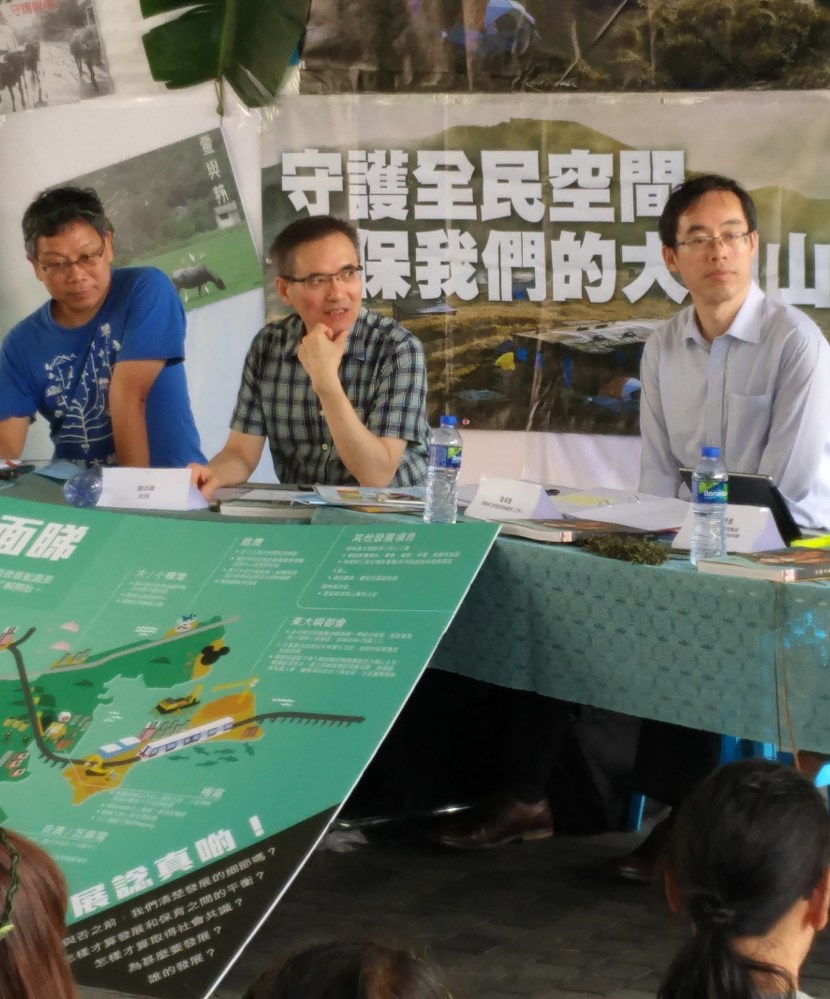
This blog has attended two public forums on Lantau in the past fortnight – one at Hong Kong University and the other one at Pier 8, Central. The way these work is that senior officials turn up, take notes and occasionally answer questions while people tell them what they’re doing wrong. Then they go back to their offices, tick the ‘consultation’ box and life goes on.

Lantau Community Forum, Pier 8
Exhibit A for Lantau is the four years of consultation over the Shek Kwu Chau incinerator that yielded exactly zero changes to the original plan. Continue reading

High-end living lands in Lantau
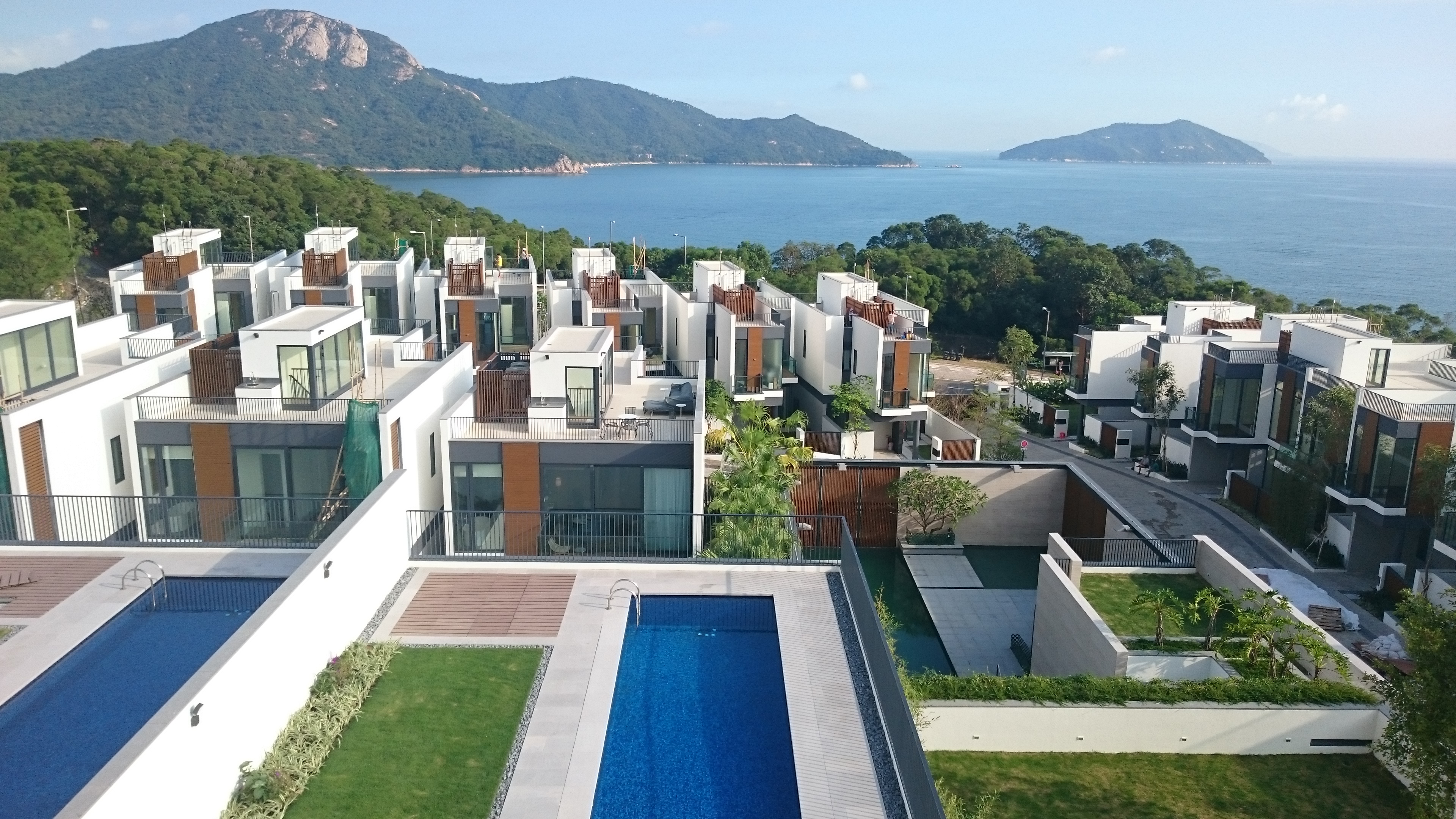
At no 20: prime view and a pool
If you’re feeling limited by Lantau’s lifestyle choices you now have a new one – opulent living.
Not one but two high-end housing developments have come on the market in the last six months, exemplifying perhaps South Lantau’s transition from sleepy backwater to development hot spot.
Kelly Merrick from Home Solutions kindly took Lantau Confidential for a tour of White Sands early this month. From her perspective it’s the arrival of much-needed new inventory. “There’s been nothing like this previously on Lantau,” she said.

Democracy in action (or should that be ‘inaction’?)
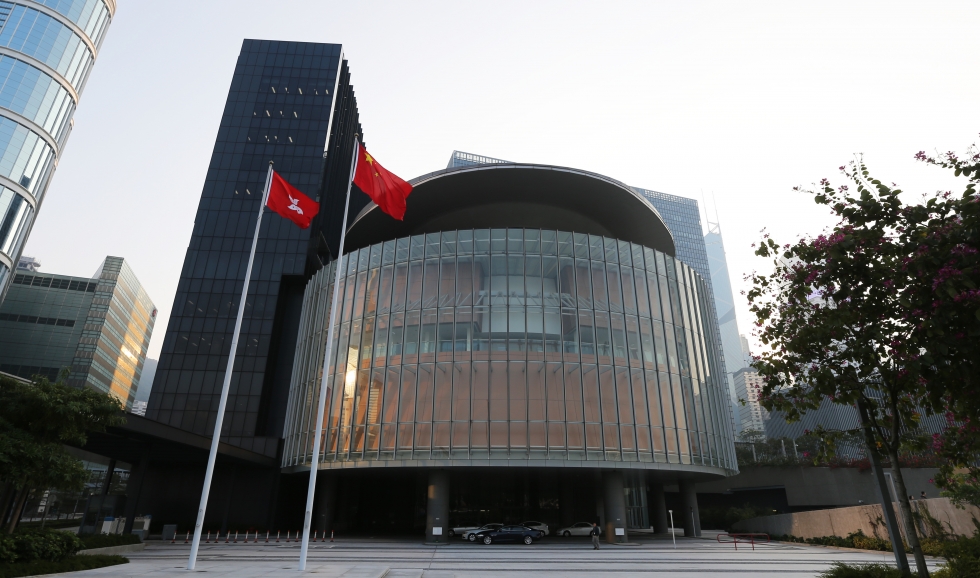
On my last visit to LegCo the taxi driver thought it was the High Court and proceeded up the hill past the Shangri-La. He was ex-mainland, but these days you can almost understand the confusion.
This journey was to make my contribution to the waste management ‘debate’. Hong Kong citizens have the right to directly make their argument on issues to an appropriate LegCo committee, in this case the Environmental Panel (wondering: can we do this for the electoral reform bill?). I’ve been thinking about whether this is an admirable exercise in pure democracy or a complete waste of time, but I’ve had to come down in favour of the latter.
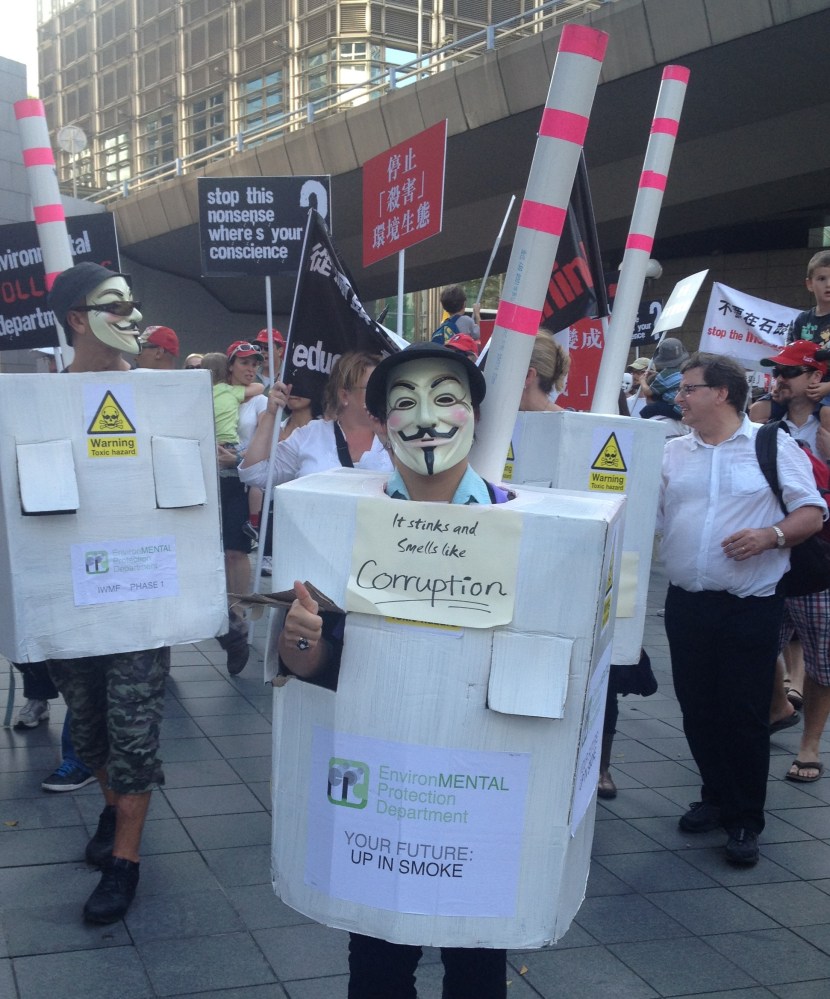
A monument to waste
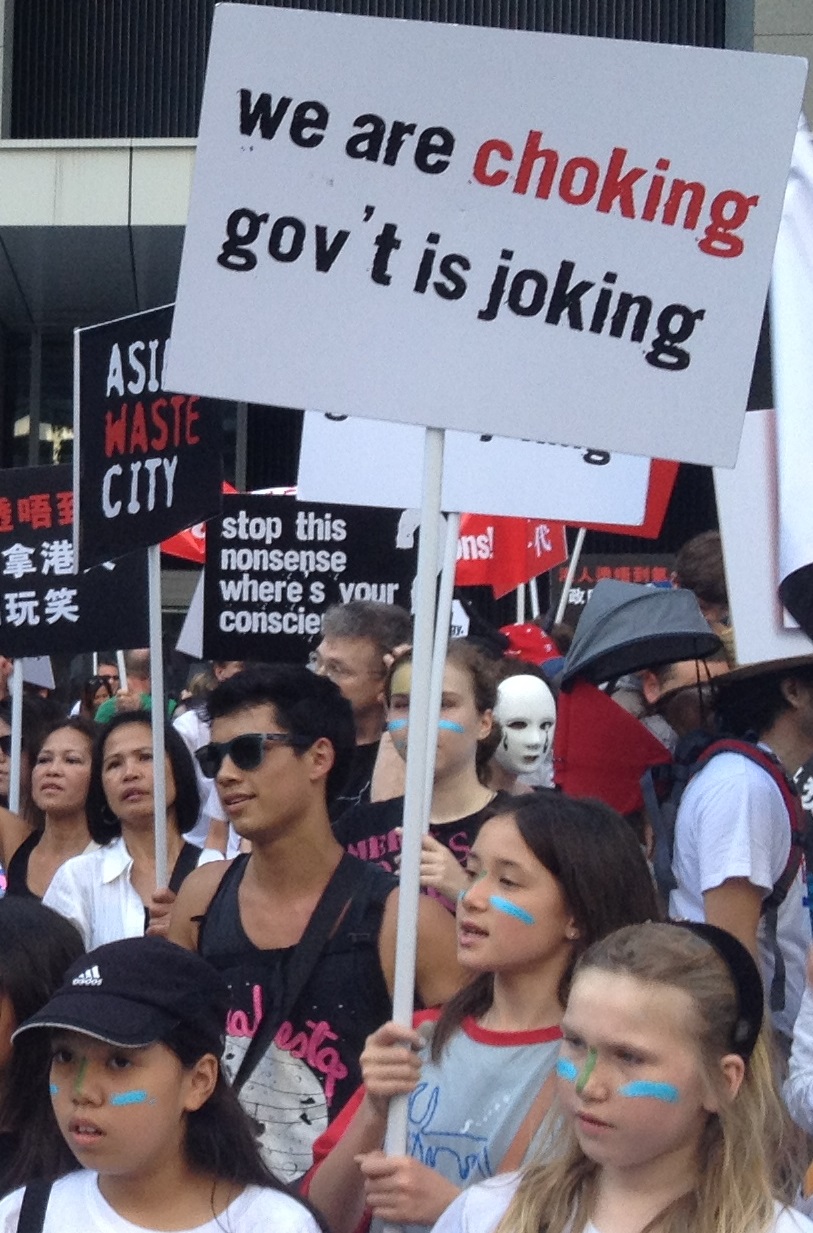
Hong Kong suffers from bad decisions because of our dysfunctional system.
In particular, it encourages grandiose public works in favour of long-term problem-solving. Officials have come to regard capital works as a salve to any of our problems because it is virtually cost-free financially, politically and professionally.
From the Stonecutters Bridge to the Kai Tak Cruise Terminal, the territory is littered with lightly-used boondoggles. We are right now well-advanced in building a road-only bridge across the Pearl River that will cut travel time by just 15 minutes. While other cities are building cycle paths and pedestrian walkways, we are unique in expanding the road network.
So it’s no surprise that we are late in tackling the issue of waste. From personal experience, I can attest that Taipei City was collecting recyclables from all residents 17 years ago. But in Hong Kong there is little reward for reducing our mountain of waste and more importantly no penalty for not doing so, just as there is no penalty for not cleaning up the air or failing to provide affordable housing. Continue reading
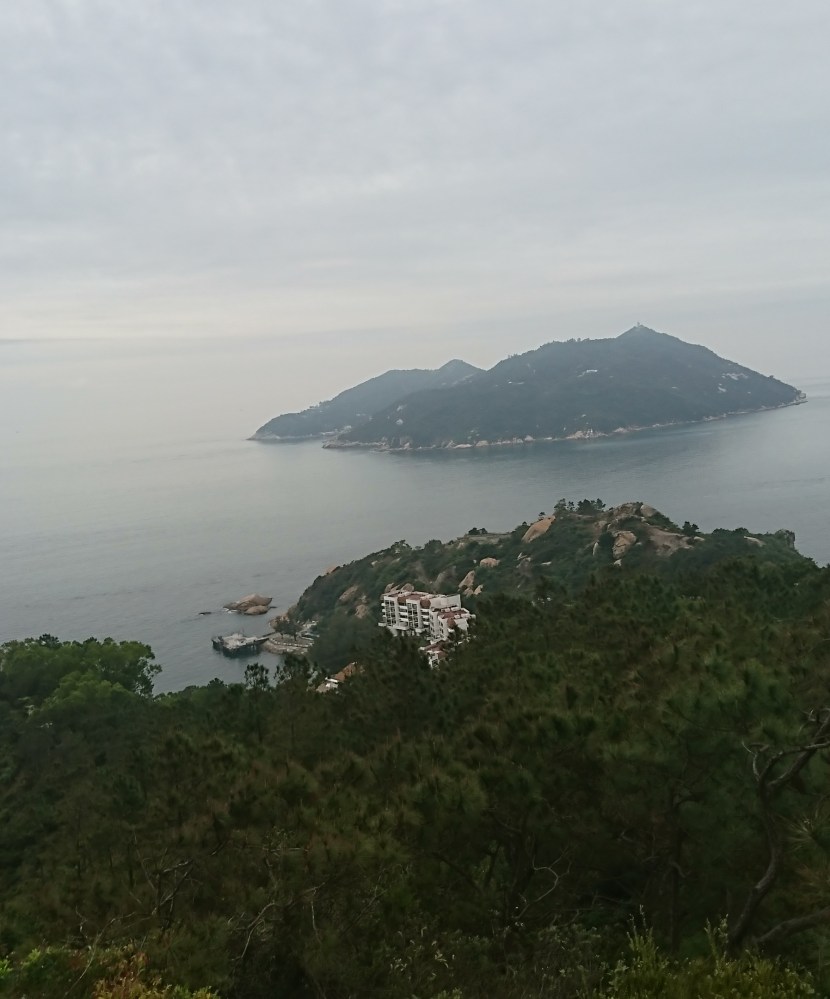
Here on Lantau, Hong Kong’s cheapest property
Running around Chi Ma Wan peninsula last year I noticed a bunch of apartments on the shore below. Not knowing the epic importance of the dwellings, I took this photograph from just the other side of the point.
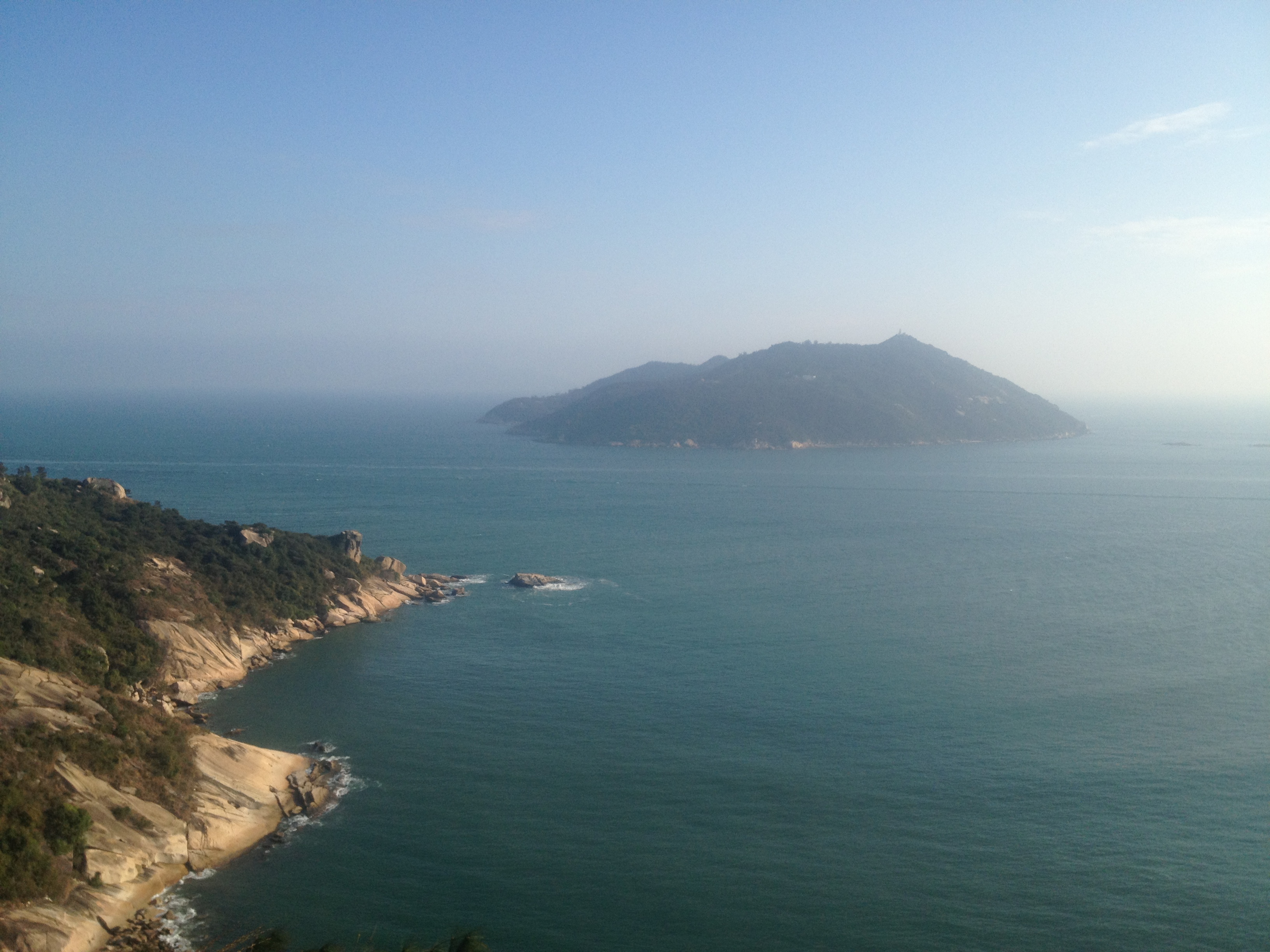
That’s pretty much the same stunning view as residents get daily. Who wouldn’t want a part of it?
The answer is, no-one. Even in land-scarce Hong Kong.
The place is called Sea Ranch. Built some 20 years ago, it has entered Hong Kong legend as a semi-deserted ghost village. Not quite on the same scale as Skyfall‘s Hashima Island, but important enough to rate a mention in Time Out‘s ‘Secret Hong Kong’.
The awkward location and lack of transport links have doubtless contributed to the exit of owners and tenants. At $732 per square foot it is surely Hong Kong’s best-priced accommodation (thanks, Big Lychee). That’s six times less than the South Lantau average of $4,704 for November.
But what’s that smack in the middle of the foreground? Yes, Shek Kwu Chau, the government’s favourite location for super-incinerator and wharf, promising the arrival of 3,000 tonnes of garbage daily and likely toxic emissions. No wonder it’s been abandoned by the market.
 Lantau Confidential