
Category: development
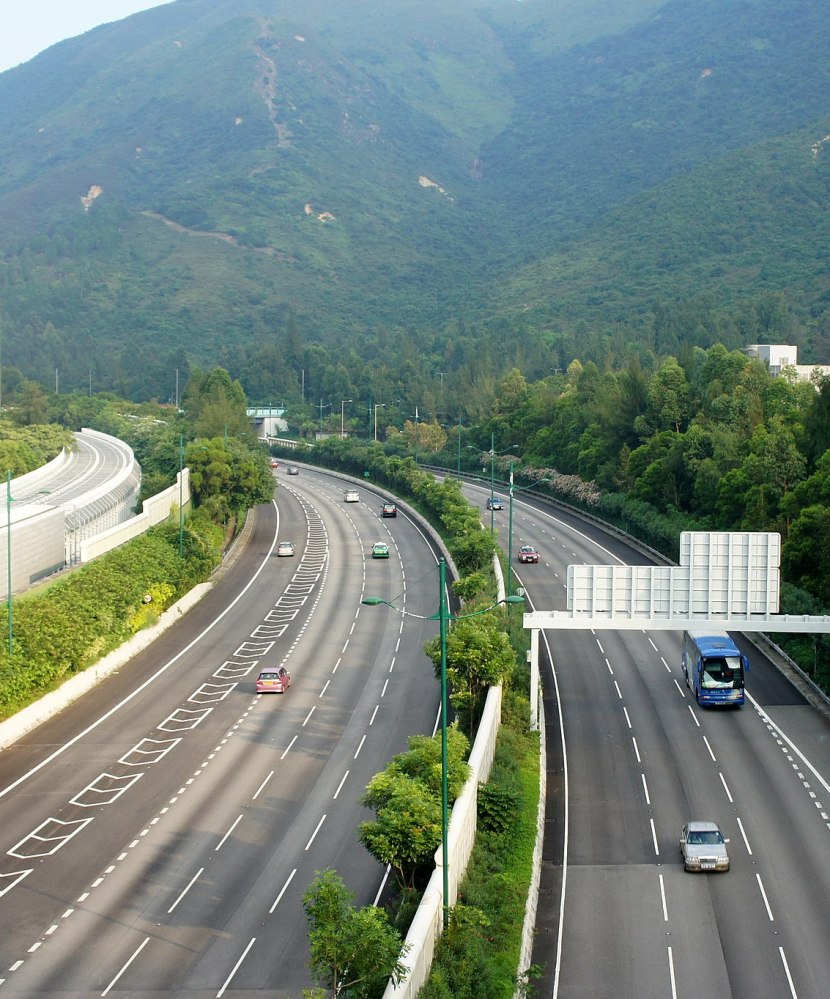
‘Nonsense!’ Pan-Dems attack plan for third N. Lantau link to Kowloon
Yet another huge and hard-to-justify road project may be headed Lantau’s way.
With work yet to be completed on the HK-Macau bridge and the Chek Lap Kok-Tuen Mun link, the government is seeking HK$87.7 million for a feasibility study on a freeway from North Lantau to Yuen Long.
Legislators said the proposed Route 11, which would connect from Sunny Bay across the strait to Tsing Lung Tau, was identical to the ‘Route 10’ scheme put forward in 1997 and that Legco ultimately rejected in 2004, Inmediahk.net reported.
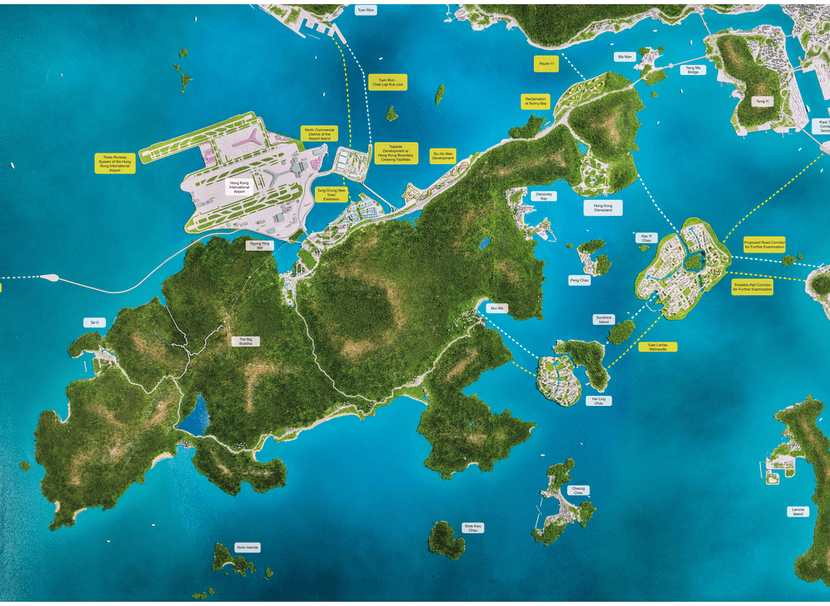
Under the original plan, the freeway was to run to Lantau’s south coast and then across central waters to reclaimed area around Kau Yi Chau and the west end of Hong Kong island – an earlier version of the East Lantau Metropolis (ELM).
Kwok Ka-ki, Civic Party member for New Territories West, described it as “nonsense,” and said it was intended solely to bring traffic onto Lantau for the ELM, which is not yet approved but is slated for mid-2030s.
Kwok said documents submitted to the Legco public works sub-committee showed that the government was bent on implementing the ELM.

Highways Department ‘indicative plan’
He said the next step would be the government declaring that there was “no way” that the project could be rejected.”
Labour Party’s Fernando Cheung also attacked the proposal.
The government had said NT West needed road links to urban areas, he said. “How is Lantau an urban area?”
The two pan-dems also pointed out that the project should be specified under the Hong Kong 2030+ plan, which won’t be issued until next year, and called on the government to clarify its plans.
DAB member and Islands District Councillor Holden Chow said he believed Lantau needed more road connections to Kowloon and Hong Kong, but the Route 11 plan would only make the Tsing Ma area a bottleneck.
If approved, the bridge-freeway would be the third road link between Lantau and the Kowloon Peninsula.
Currently, the sole connection is through Tsing-Ma Bridge, built in the 1990s to service the airport.
One of the reasons cited for the need for Route 11 is to provide an alternative, for occasions such as the Kap Mun Shui Bridge collision in 2015 which cut road links to the airport.
But the link from the airport to Tuen Mun, part of the HK-Macau bridge project and due to complete in 2020, is already an alternative land route.
Henry Sin, a researcher for Kwok Ka Ki, has said the original proposal, known as Route 10, was estimated to cost HK$35 billion. Writing for HK01 earlier this year, he said the Route 11 was likely to cost at least twice that.
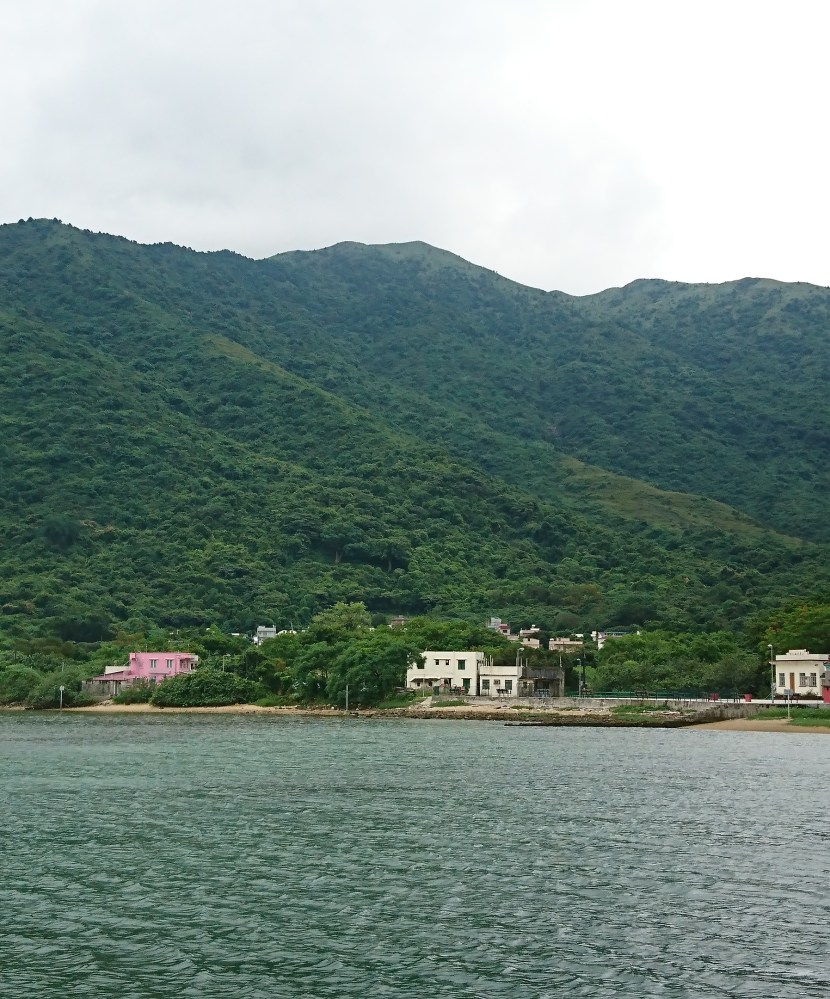
CEDD studying light rail link to Tai O
The government is exploring the feasibility of building a light rail to Tai O, part of a wider study into Lantau transport networks.
Development Secretary Michael Wong told reporters yesterday that CEDD had hired a consultant to review Lantau’s internal transport links and its connections to the rest of Hong Kong.
He said the consultant was examining the potential for a light rail along the coastal route from Tung Chung to Tai O.
The seaside village currently has just a single road connection, parts of which are barely wide enough for buses to pass. The journey to Tung Chung takes 45 minutes.
Local rural leaders have repeatedly called for an upgrade of the existing road and for a direct road connection to Tung Chung. The coastal road has been rejected on environmental and heritage grounds.
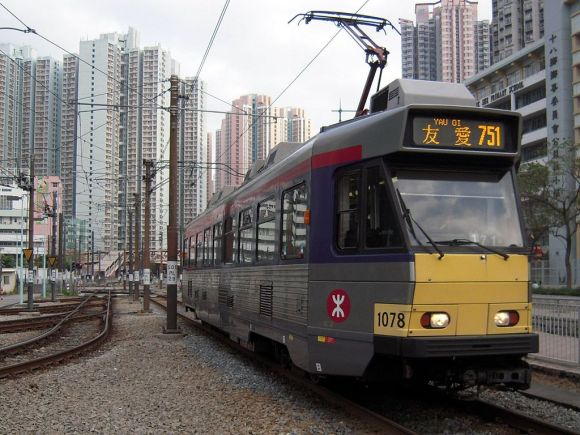
MTR light rail, Tuen Mun (Wiki Commons)
Transport panel chairman and former Kowloon-Canton Railway chairman Michael Tien last year proposed the idea of a light rail around Tung Chung, the airport and the Macau bridge, arguing it would take just 15 minutes to make the trip.
He told Sing Tao newspaper that in principle he supported extending it to Tai O but was wary of the cost, estimating that his original proposal would cost HK$15 billion.
He said because the light rail runs on overhead lines it has a light environmental footprint.
Wong did not elaborate on what other changes the government would make to Lantau’s transport connections. He said the consultancy would complete its study in 2019.
Photo (top): Sha Lo Wan on Lantau’s north coast
Land task force chief urges caution on country park development
The chairman of the land supply task force has warned on the need to “proceed with caution” in building homes in country parks.
Speaking after the task force’s latest meeting, Stanley Wong said the idea needs to meet higher thresholds than existing statutory requirements, RTHK reported.
He said the government “had not formed a view on whether or how to develop country parks” and would “leave it to the public engagement” to see the level of support.
 However, despite Wong’s careful words, the task force has already mapped out the process in which country parks can be turned into housing:
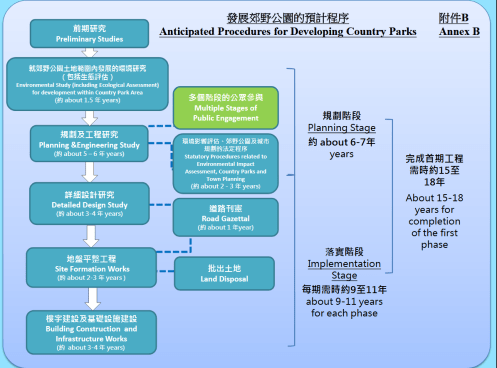
Source: Task Force on Land Supply
The previous Chief Executive, CY Leung, asked a non-profit developer, the Housing Society, to evaluate two possible park locations as possible sites for housing development. The Housing Society expects to make a preliminary report as early as Q2 2019.
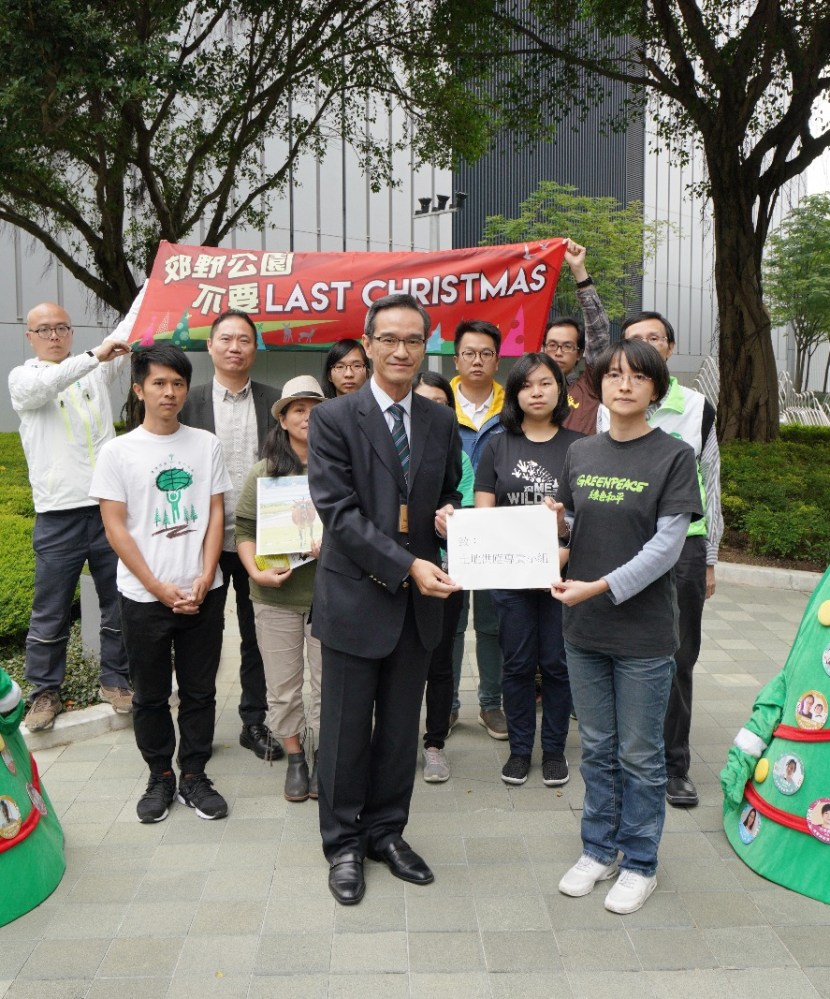
After the meeting, Wong accepted a petition from 14 local green groups, including Greenpeace, Designing Hong Kong, Trailwatch and LBA.
They said in a statement that the Country Parks Ordinance forbids development in the city’s parks, and called on the government to re-examine the use of idle land, brownfields land and land used by golf and other private clubs to meet housing needs.
One clear decision the task force seems to made is to have rejected a proposal to fill in Plover Cove Reservoir for housing.
A paper submitted to the group pointed out that as the site was “located at an area of relatively high ecological and conservation value and away from major transport infrastructures, it did not conform with” the city’s planning framework.
Photo: Stanley Wong meets green group representatives (Greenpeace Hong Kong)
Holden Chow calls on MTR to speed up Tung Chung East station development
Islands District Councillor and DAB vice-chairman Holden Chow has called on the MTR Corp to bring forward the construction of the Tung Chung East station to align with the timetable for building new apartments.
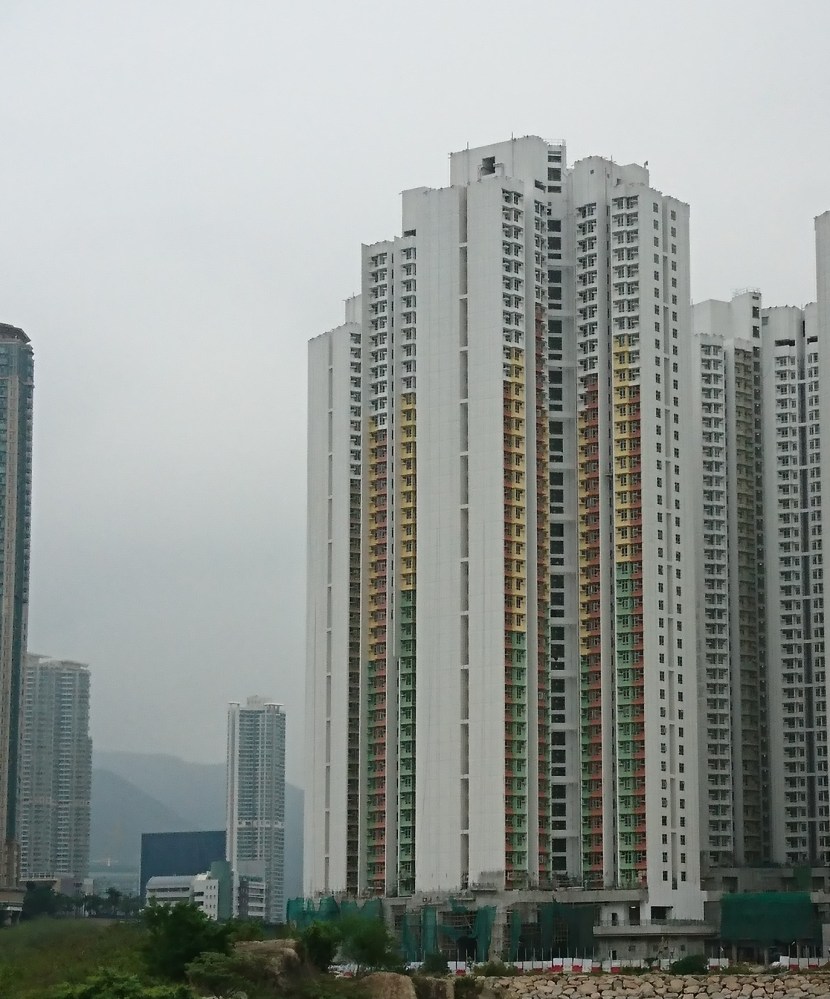
Under the current timetable, the first residents will start moving into the Tung Chung East Development in 2023, but the new MTR station won’t be completed until 2026.
Chow said the construction of the third runway would bring many work opportunities, including for local residents, and the most effective way to ensure they could take advantage of these would be to connect airport island and TC directly.
He said the MTR was studying the idea of adding an extra Tung Chung Line station to connect to the airport and urged the government or the MTR to release their findings, RTHK reports.
Reclamation work on the Tung Chung East project is due to start by the end of the year.
The CEDD plans to build 40,800 apartments in Tung Chung East and another 8,600 in Tung Chung West. It has forecast that Tung Chung East will accommodate an 119,000 people.
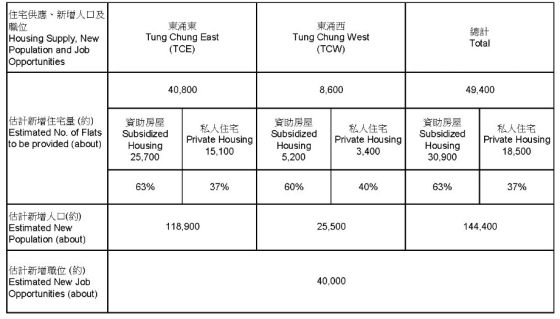
Tung Chung development forecasts (Source: Legco Public Works Subcommittee)
Citizens group assails land task force on reclamation
A non-government group has attacked the new government land task force, saying it has already breached its commitment to examine all of the city’s land supply options.
The Citizens Task Force on Land Resources, an independent group created as a civil society counterpart to the government body, says when established the task force promised it would have no pre-conceived ideas about land supply options and would consult widely.
But in its first public statement earlier this week, the government committee expressed its support for the East Lantau Metropolis (ELM) and five other reclamation projects, including two on Lantau.
Task force chairman Stanley Wong Yuen-fai had already declared land reclamation as “one of the most appropriate and practical ways of increasing land supply,” with public consultations going ahead next year, the citizens group said in a statement.
It said the task force had ignored other means of adding to the land supply, including 1300ha of brownfield land, more than 800ha of short-term lease land, 3300ha of temporary government land and 140ha of vacant land government sites.
It warned that the 1000ha ELM in the central waters between Lantau and Hong Kong Island involved complex economic, environmental and technical considerations and was already “a huge controversy” in the community, adding:
[We] cannot imagine how the task force can agree on such a huge and complex reclamation plan in such a short period of time
Members of the citizens group include legislators Eddie Chu and Andrew Wan, Paul Zimmerman from Designing Hong Kong, academics, engineers and representatives of other NGOs.

New land body endorses ELM and further Lantau reclamation
Carrie Lam has promised a fresh approach to dealing with land supply issues, but in its early decisions new land supply task force has merely endorsed plans initiated by her predecessor.
The committee, set up in September, has reaffirmed the East Lantau Metropolis (ELM) and accepted government recommendations on reclamation at five other sites, including two on Lantau
Task force chairman Stanley Wong Yuen-fai said after the group’s Tuesday meeting that the ELM, a 1000 ha housing and business district scheme in central waters, should go ahead, Post 852 reported.
The ELM, which involves building on reclaimed land around Hei Ling Chau and Kau Yi Chau islands, is currently stuck in Legco seeking funding for a HK$200 million “strategic study.” If it proceeds, the development, which would connect Mui Wo and Central by freeway, would be Hong Kong’s biggest ever infrastructure project, costing as much as HK$400 billion.
But major engineering works off outlying islands may not end there.
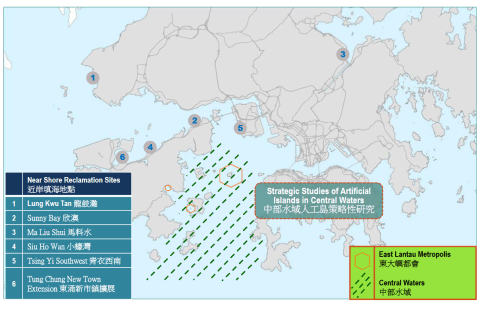
Proposed reclamation sites (Source: CEDD)
A Civil Engineering and Development Department (CEDD) report to the committee stated there may be “opportunities” for more artificial islands “in the southern part of the central waters (in particular the waters off South Cheung Chau).”
The report calls for reclamation work on north Lantau sites of Siu Ho Wan and Sunny Bay as well as southwest Tsing Yi, Ma Liu Shui near Sha Tin and Lung Kwu Tan west of Tuen Mun.
A 2011 CEDD study made exactly the same recommendations.
CEDD said it had recently completed a technical study on Siu Ho Wan and would begin an engineering assessment of reclamation at Sunny Bay next year.

The department, which says since 2000 Hong Kong has dragged its feet on reclamation. Between 1985 and 2000, it created more than 3000 ha of reclaimed land, including the area under Tung Chung, while since than only 690 ha of land was been generated.
It says only 6% of Hong Kong land is derived from reclamation, compared to 24% in Singapore. But nearly 70% of Hong Kong territory is locked up in country park, almost all of it unsuitable for development. However, 27% of Hong Kong’s developed area is in fact based on reclaimed land.
A 2004 court ruling ended reclamation in Victoria Harbour.
Photo: Kau Yi Chau
Govt promises new Tung Chung public market
The government has promised to build a new public market in Tung Chung to meet the district’s growing population.
It’s one of a number of measures on shopping markets announced in the CE policy address earlier in October and confirmed by a senior official in responses to Legco.
The Food and Environmental Hygiene Department is also promising to provide air-conditioning to 11 market sites and to “improve facilities and administration” at all markets, Ming Pao reports. Other new public markets are planned for Tin Shui Wai and Hung Shui Kiu.
Government planners predict that Tung Chung’s population will increase from around 80,000 residents today to approximately 268,000 by the middle of the next decade.
Tung Chung’s Yat Tung, along with Tin Shui Wai, is one of the city’s most economically-challenged areas, with high unemployment and low incomes. Many residents say they are unable to afford local supermarket prices, and take advantage of a government transport subsidy to travel to Mong Kok each week to buy food and necessities.
Community group Alliance on the Development of Public Markets has complained that the government proposal contains no detail and no timetable.
Two years ago the group recommended five sites for a new Tung Chung market, but has so far had no official response. The proposed sites include the Tung Chung Cable Station next to Tat Tung Road Garden, the Chung Wai St bus depot and the Yat Tung No. 3 car park.
The group called on the government to set out its timetable for the construction of the markets and to consult widely on site selection and the market scale.
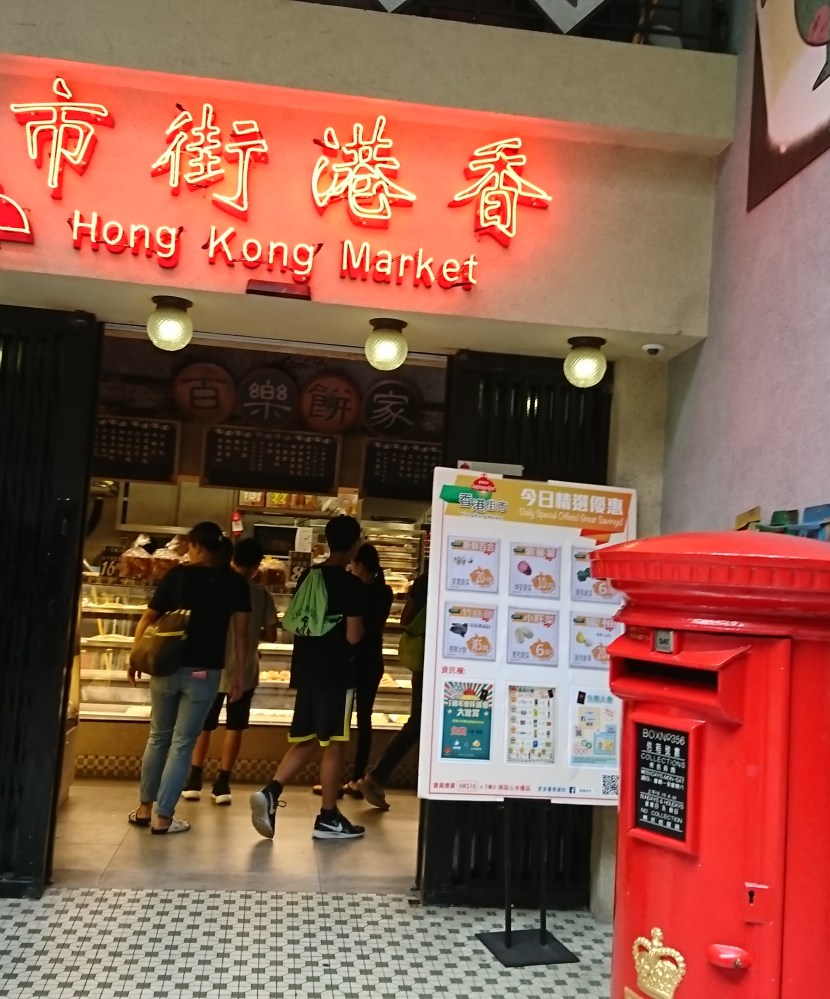
Photo: Market, Yat Tung (Lantau News)

Lantau rural chiefs defy govt with plan to oust cattle and buffalo
The ink is barely dry on the government’s long-term Lantau development plan, but one of its core principles is under challenge from rural chiefs in their latest attempt to expel cattle and buffalo.
The Sustainable Lantau Blueprint, issued in June, calls for the conservation of rural Lantau’s natural and cultural heritage.
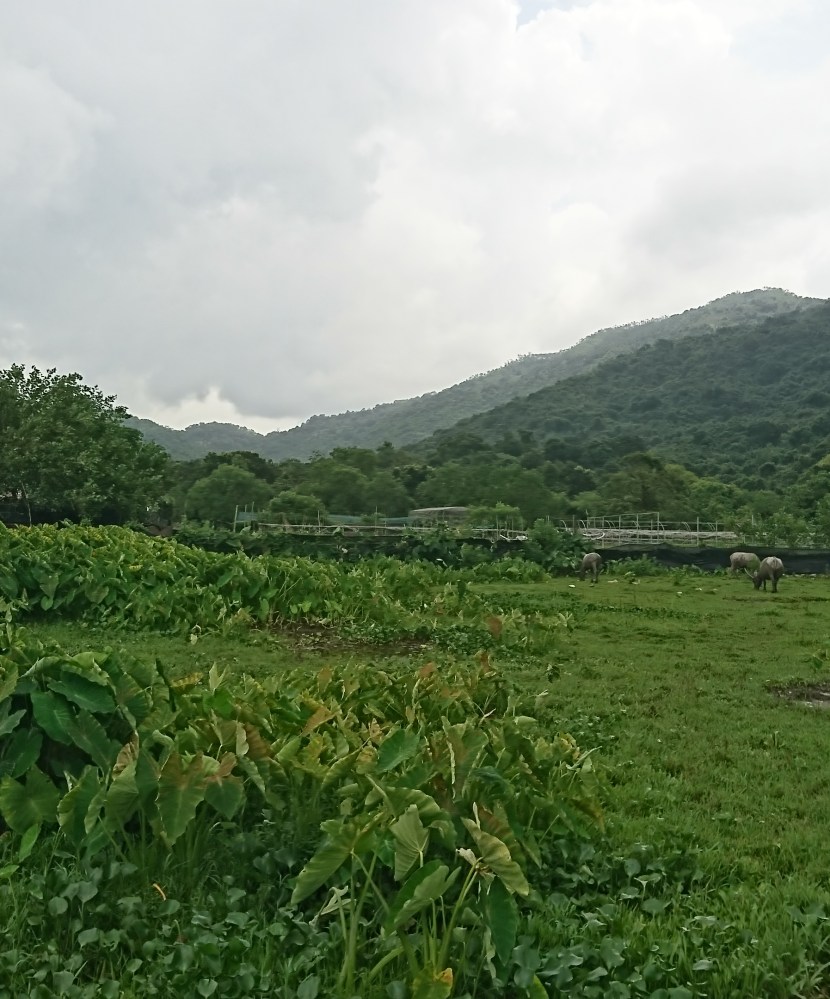
It specifically demands the protection of the Pui O wetland, home to the local buffalo herd, which it acknowledges as as “part of [Pui O’s] cultural history” and an important means of showcasing Hong Kong’s rural history. It also seeks the preservation of Mui Wo’s “rural township character.”
However, the Islands District Council and local rural committees are once again lobbying the AFCD to remove Lantau’s remaining cattle and buffalo.
This time their plan is to shift them to Tai A Chau, an island in the Sokos with limited water supplies and no wetland that could support buffalo.
Despite this, the AFCD cattle team is understood to have told an October 12 meeting that the plan was feasible. However, they also said the idea was not practical because there was no way for them staff to conveniently reach the remote location.
The meeting, organized by the Islands District Council, was attended by Wong Man-hong and Fan Chi-ping – the heads respectively of the Mui Wo and Tung Chung rural committees – a member of the South Lantao Rural Committee, district councillor Randy Yu, LanDAC member Chau Cheun Heung, Bui O Public School principal Yu Mei Fong, Home Affairs Department officials and four representatives from cattle support groups.
One attendee told Lantau News the rural leaders argued that the move was necessary for safety reasons, although they were unable to explain why the buffalo posed a bigger safety threat than speeding traffic on EVA.
Despite the AFCD reservations, the rural councillors and Randy Yu urged the AFCD to go ahead with a trial.
The current effort to remove Lantau’s bovines is the latest of many.
In one notorious case in 2006, several dozen cattle were removed byAFCD truck to Fan Lau, but only three survived the journey.
In 2013, the AFCD experimented by swapping cattle herds between South Lantau and Sai Kung. One of the Lantau cattle died and many of the remainder, unable to food in the unfamiliar environment, had to be hand-fed. The trial was terminated after the department was hauled before a Legco sub-committee.
In the last two years the plan to remove the animals to Tai A Chau has emerged on a number of occasions, only for the government in each instance to deny it.
An online petition opposing the relocation states:
We believe that Lantau Island has absolutely sufficient capacity for the conservation of all cows and buffaloes. Any form of relocation out of Lantau Island is not needed. In addition, we demand the government to establish a long-term conservation policy, allocating resources to conserve them in their original habitats.
Developer withdraws Pui O caravan park plan
Pui O business group JK Group Limited has withdrawn its application for a caravan park and holiday camp.
The application to the Town Planning Board (TPB) was originally scheduled to be heard in June, but was extended twice because of the number of objections.
The TPB was due to review the case today, but the board’s website reveals that the plan was “withdrawn by the applicant.”
In a post on its web page last month JK Ltd attacked what it called “misleading and dafamatory expressions made by several foreigners in the social media.”
It said it regarded “such behaviour as a commercial attack rather than an environmental issue.”

Mui Wo bus & ferry operators to add capacity but not new services
Lantau bus and ferry companies are adding capacity to meet the expected spike in passengers next year, but have no plans to schedule extra services.
With Mui Wo’s population expected to increase by as much as 40% in the second half of 2018, First Ferry has ordered five new large vessels and the New Lantao Bus Company is tendering for double-decker buses,
But First Ferry says even with the new boats it won’t have capacity for new services.
Transport, police and Hospital Authority officials as well as public transport operators appeared before the Islands District Council meeting early this week to explain how they are preparing for Mui Wo’s growth spurt. As many as 2000 residents will move into two new Home Ownership Scheme (HOS) estates starting next August.
First Ferry has bought five new 423-seat vessels – previously the largest carried just 403 passengers – and says two are already in service. The other three will be deployed from the first quarter of next year.
New Lantao Bus Company is planning to run double-decker buses on the 3M route between Mui Wo and Tung Chung. It said it held a successful trial early this year and has just tendered for 14 double-decker vehicles.
First Ferry communication manager Chow Suk Man told the council morning peak-hour fast ferries were currently running at 80-90% capacity. Already one of the new large ferries is being deployed at 7am from Mui Wo.
But in response to Councillor Randy Yu, who asked if a backup ferry could be deployed in morning peak period, Chow said there was not enough spare capacity.
“If there are school trips or organisations planning to take this particular ferry, and if we are informed in advance, we can arrange a spare ferry for such occasions,” she said. But there was no spare ferry for a permanent arrangement.
Chow acknowledged it was difficult to plan without knowing the exact numbers of likely passengers. The company had requested information from the Transport Department about the size of the working population.
NLB vice chairman Chan Ching Lung said the company believed the double-decker buses could increase carrying capacity by 40-50%. The bus operator runs four special services from Pui O each morning which are 70-80% filled, he said.
 Lantau Confidential