
Tagged: election

LegCo 2016: An election explainer for Lantau voters

Whether you think Hong Kong has the world’s most “ridiculous political system or that it appropriately protects the interests of business, it takes some explaining.
As a registered voter, you have two votes in the LegCo election on September 4.
Here’s how it works.
The outgoing LegCo consists of 70 seats, of which 35 are from geographical constituencies and 35 from Hong Kong’s unique creation, “functional constituencies (FCs).” These are a frankly random and hard-to-explain assortment of sectors. To take one example: insurance, finance and financial services are all separate FCs.
Only 18 will actually be contested (fun fact: the Heung Yee Kuk seat has never been contested). Voting populations vary immensely – at one end agriculture and fisheries has 154 voters; at the other end education has 88,000. Of the 35 FCs, five are district council super-seats that we all get to vote on. More on that later. Continue reading
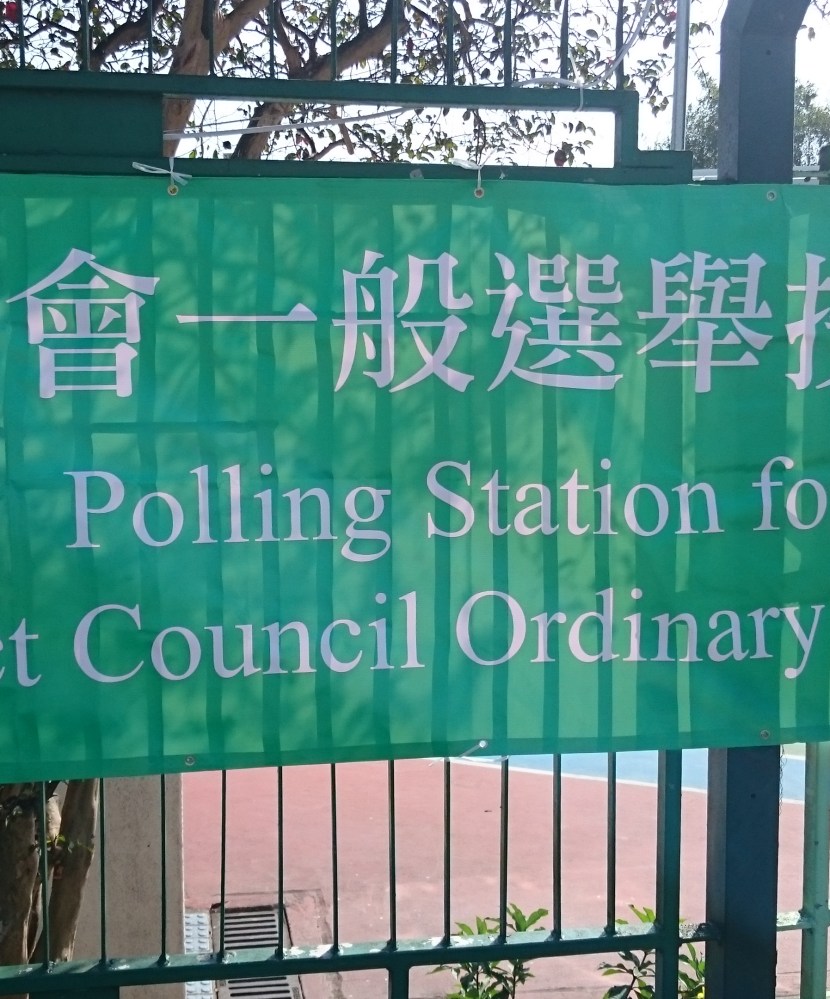
Election 2015 preview
Whoever said the internet has changed politics never visited Lantau. The battle for Hong Kong’s biggest electoral district is strictly analogue. No Twitter wars here. Issues and platforms are less important in Lantau’s murky politics than patronage, clan loyalties and personal feuds.
The island rural committees dominate both local politics and the Island District Council (IDC). Although the government no longer appoints councillors, rural committee heads are automatically granted seats. As well as the ten elected members the Islands Council will have eight ex officio members from the rural committees – pretty much a lock.
Randy Yu, the rural committee candidate for Lantau and, if he wins, the likely next IDC chairman, should also be a lock. But the retirement of the unlamented Rainbow Wong,the development controversies and the Occupy fallout have made this contest interesting. Continue reading

Green candidate: Clara Tam
This is the second Q&A with a Lantau District Council candidate.
Clara Tam (candidate no. 4) stands out in the race as the only conservation candidate. In Lantau terms that means she is the only one opposed to the government’s development programme – including Shek Kwu Chau incinerator, the round-island highway and the East Lantau Metropolis. She advocates a green approach emphasising eco-tourism, community participation and greater transparency.
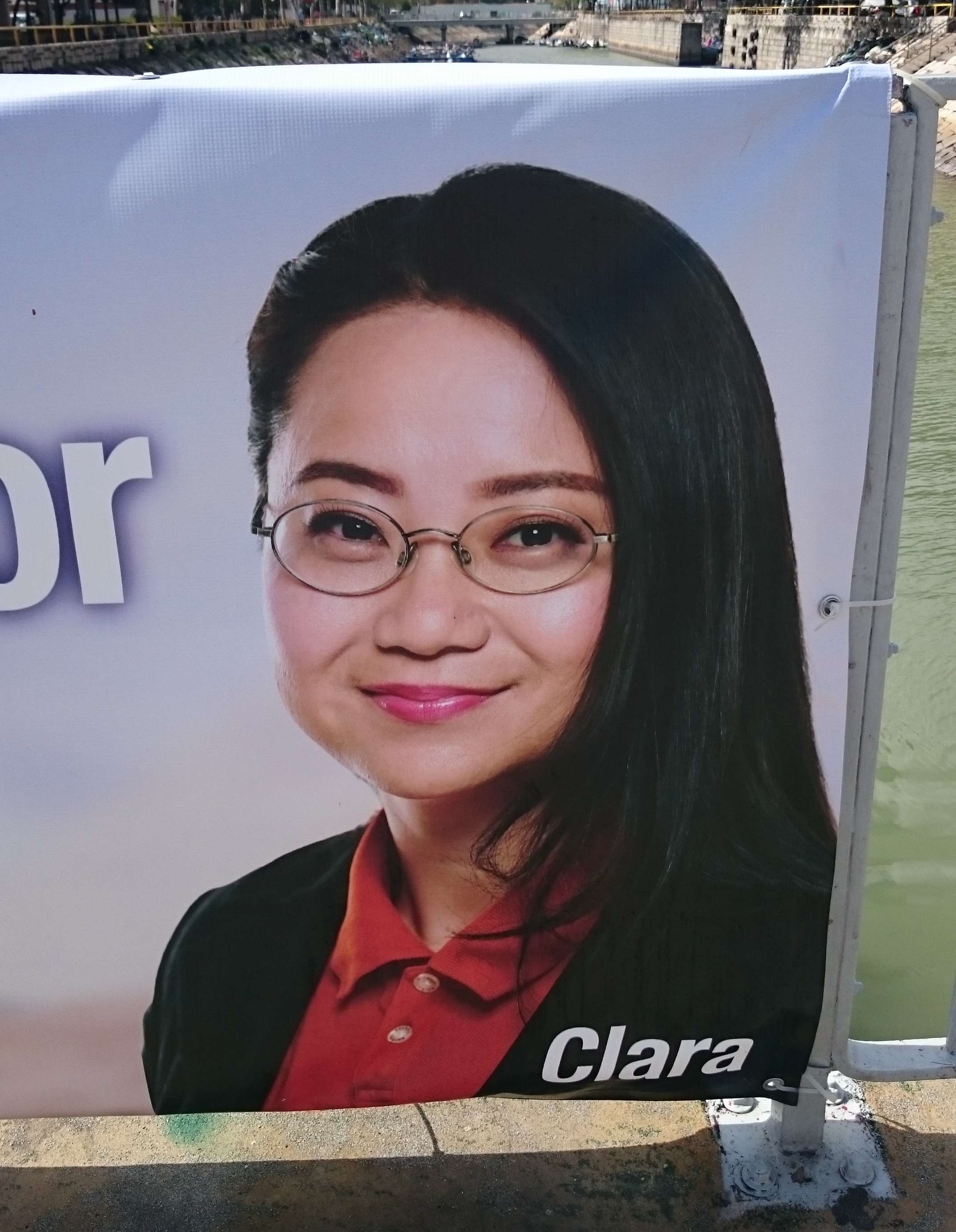
Please introduce yourself: name, age, occupation and education experience, experience in the community, political affiliation, connection to Lantau.
I’m Clara Tam Sau Ngor, 46 years old female and third-generation born and raised in Mui Wo, Lantau. The Tams have made Mui Wo our home for 60 years since my grandpa and dad started Yau Lee Transportation Company, a kaito (cargo boat) family business on the island. Most of the people in Mui Wo know our family. Like most of the kids here, I went to Lik Hang kindergarten and Mui Wo School. Continue reading
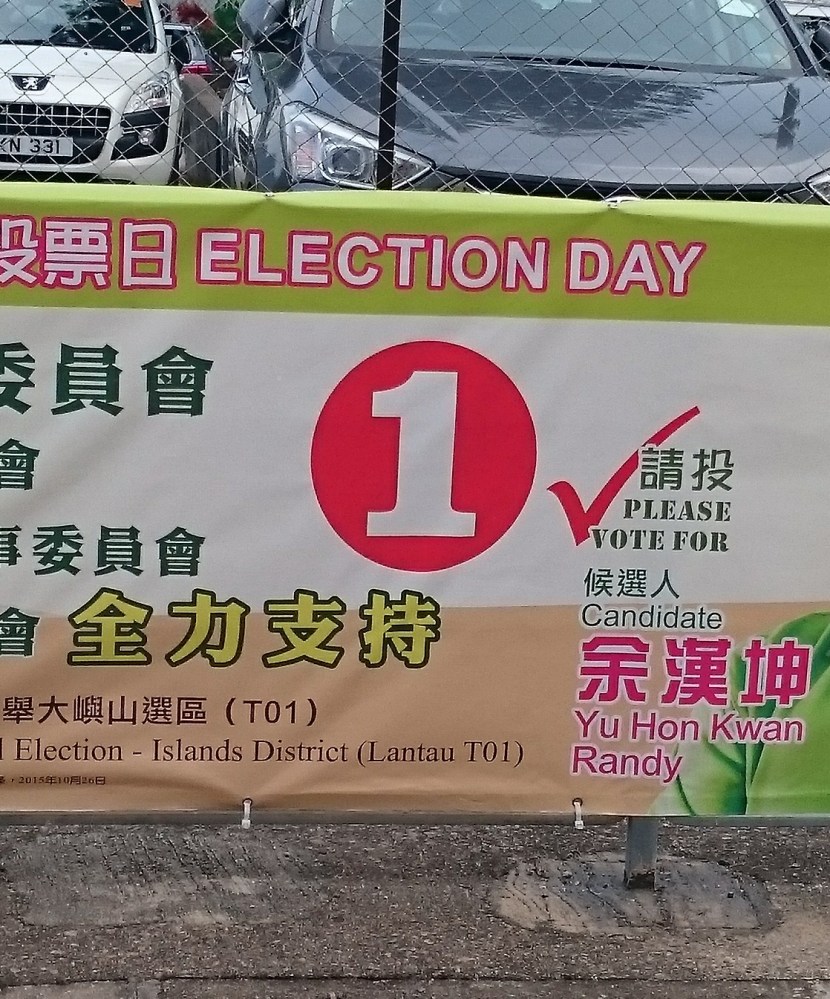
The establishment candidate: Randy Yu
This is the first of our Q&As with candidates standing for Lantau in the coming District Council election. Each will be asked the same ten questions and the answers published in full (the original in Chinese, the English edited slightly for length).
Randy Yu (candidate no. 1) is the establishment candidate, taking the place of the retiring Rainbow Wong. He is already an appointed Islands District Council member, but this is his first tilt at an election.
Yu is a Tai O native and has the backing of all four Lantau rural committees – Mui Wo, Tai O, Tung Chung and South Lantau. He also enjoys the support of Uncle Fat himself – the long-time Heung Yee Kuk chairman and kingmaker Lau Wong-fat is his father-in-law. His responses are below.

Election time. Welcome to District Council world
Hong Kong’s 18 District Councils are not exactly a model of democratic accountability. They are a branch of the Home Affairs Bureau with no power to pass laws or raise revenue, and the coming poll is the first in which all members will be directly elected. But when it comes to community politics they are the only game in town.
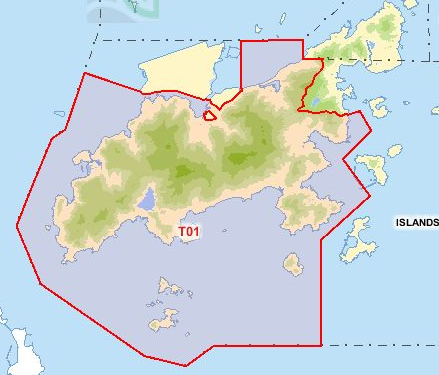
Historically, they grew out of the neighbourhood support groups known as kaifong associations (街坊會) that the British formed back in 1949 (this wiki traces their tortuous history). Continue reading
 Lantau Confidential